When to Take a Craving Supplement — and Why Caffeine Fails After Dinner
Most snacking happens in the evening, which is exactly when caffeine-based suppressants stop being an option. Here is how timing should drive your pick.
Most craving supplements are sold on what's in them. Almost none are sold on when you take them. That's a mistake, because timing is where a lot of these products quietly succeed or fail.
The cravings that derail people aren't usually the 10am ones. They're the 9pm ones. The kitchen-after-dinner, standing-at-the-pantry, not-even-hungry ones. So the real question for any tool isn't just "does it work," it's "can I use it at the moment I actually need it."
The evening snacking window
There's a fairly reliable pattern to discretionary eating. Meals are roughly fixed. The damage tends to happen in the loose hours between dinner and bed, when you're tired, your guard is down, and eating is more about wind-down than hunger.
This window has a few features that matter:
- It's late, often 8pm to midnight.
- It's driven by habit and stress as much as by physical hunger.
- It's close to sleep, which makes anything stimulating a problem.
If a product is going to help with the cravings most people actually struggle with, it has to be usable in that window. And that's exactly where a whole category of these products structurally can't go.
Why stimulant products can't serve the evening
A large slice of the "craving" and "fat burner" shelf runs on caffeine. PhenQ, Hydroxycut Hardcore, Zantrex-3. Some disclose the caffeine, some bury it in a proprietary blend, but the engine is the same: stimulants that blunt appetite partly by revving you up.
Caffeine does suppress appetite for some people, and it does provide daytime energy. We're not going to pretend otherwise. Hydroxycut Hardcore packs 265mg of caffeine per serving. PhenQ hides its stimulant dose inside an undisclosed blend. That's a lot of activation.
Here's the structural problem. The evening is the highest-value window for craving control, and it's the one window where you cannot take a stimulant without paying for it in sleep. A product built on caffeine is locked out of the exact hours it would be most useful. It's a daytime tool by construction, no matter how its label is marketed.
The caffeine and sleep math
Caffeine has a half-life of roughly 5 to 6 hours for most adults. Take 200mg at 8pm and you've still got around 100mg circulating at 1 or 2am. That fragments sleep even if you fall asleep fine.
And poor sleep makes next-day cravings worse. Short sleep is associated with higher hunger and more reaching for high-calorie food. So an evening stimulant can dig the hole deeper: it disrupts the sleep that would otherwise help regulate the next day's appetite. For the 9pm pantry problem, a caffeinated product isn't neutral, it's actively working against you.
Format is behavior
The other half of timing is format, because the best mechanism in the world does nothing if the routine doesn't stick.
Think about what the evening actually wants. You're winding down. A warm or cold drink fits that ritual; people already drink something in the evening. A drink that takes up room in your stomach and gives your hands and mouth something to do can substitute for the snack itself, which is partly a behavioral fix, not just a chemical one.
Capsules are fine, and for some routines they're better. But "take 6 capsules with plenty of water" (as some high-glucomannan products require) is a bigger ask late at night than stirring one stick pack into water. Pre-meal bitter compounds that want dosing several times a day are powerful but demand even more of you.
None of this is about one format being superior in the abstract. It's about fit. The format that survives contact with a tired person at 9pm is the one that actually gets used.
Tolerability is a timing issue too
What you can comfortably take in the evening narrows the field further.
High-fiber powders (6 to 7 grams a serving) can bloat, which is unpleasant right before bed. Berberine, which has real human evidence for glucose and lipids, commonly causes cramping and diarrhea, and the effective dose is hard for many people to tolerate at all, let alone last thing at night. A modest, gentle fiber dose and a caffeine-free formula are easier to live with in that window.
Matching the tool to the time of day
Here's the honest framing we keep coming back to. There's no single best time. There's a best tool for each time.
- Daytime, need energy and appetite blunting: a caffeinated product can genuinely fit here. If you want a stimulant, the morning is where it belongs, and we'll say so plainly.
- Pre-meal, structured eater: bitter compounds dosed before meals can work if you'll keep the routine.
- Evening, the high-risk craving window: caffeine-free, gentle on the gut, and in a format that fits a wind-down ritual. This is where a drink-based, stimulant-free option earns its place.
A product like Ozzi V2 is built for that last slot: a caffeine-free drink stick with a modest fiber load and no stimulants, so it can be used at night without wrecking sleep. That's not an accident of the formula, it's a timing decision baked into the format.
How we reached this conclusion
Format, timing, and convenience is one of our five scored axes, not a footnote. Here's why it carries real weight.
The other axes (pathway coverage, transparency, mechanism, value) tell you whether a product could work. Timing and format tell you whether it'll work for you, at the moment you need it. A formula that's chemically excellent but locked to daytime, or one that demands a routine you won't keep, fails in practice no matter how good the ingredient panel reads.
So we score this axis on concrete, checkable things:
- Caffeine-free vs stimulant. A stimulant rules out the evening window, full stop, so it caps the score for the highest-value use case.
- Drink vs pill, and how many. One stick or one capsule beats six capsules or four pre-meal doses on adherence.
- Tolerability. Bloating from heavy fiber and GI distress from berberine are real reasons people quit, so they count against a product here.
- Daily-routine fit. Refrigeration, complex timing, and large water requirements all add friction.
We're deliberately even-handed about it. Caffeine isn't disqualified, it's scored as a daytime tool, which is what it honestly is. A product that nails the evening window scores well on this axis precisely because that's the window most people actually lose. Adherence is the hidden variable in every supplement outcome, and timing plus format is how we try to measure it before you've spent a dollar.
FAQ
When are cravings hardest to control?
For most people it's the evening, roughly 8pm to midnight. That window is driven by habit, stress, and wind-down as much as by real hunger, and it's close to sleep, which makes stimulant-based products a poor fit.
Can I take a caffeinated craving supplement at night?
We'd advise against it. Caffeine has a 5 to 6 hour half-life, so an evening dose still has plenty circulating after midnight, which fragments sleep. Poor sleep then tends to increase next-day cravings, so an evening stimulant can work against you.
Why does format matter so much for a craving supplement?
Because adherence decides outcomes. A drink fits an evening wind-down ritual and gives your mouth and stomach something to do, which can substitute for the snack itself. A six-capsule regimen or a multiple-times-a-day pre-meal dose is harder to keep up, especially late at night.
Is caffeine ever a good choice for appetite control?
Yes, in the daytime. Caffeine can blunt appetite and provide energy, so a stimulant product can genuinely fit a morning or early-afternoon routine. It's just structurally wrong for the evening craving window.
Products mentioned
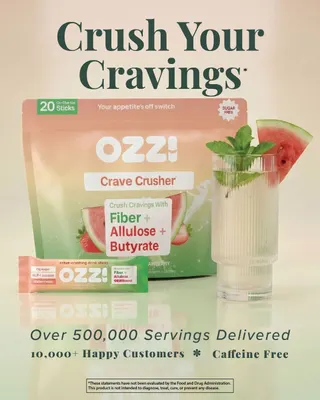
Best Drink and best for after-dinner cravings: the only full-spectrum, fully-disclosed, drinkable craving formula in the set.
Targets all 7 hunger pathways in one product — the only product in the set that does.
Some users are sensitive to the natural butyrate smell from BIOMEnd.
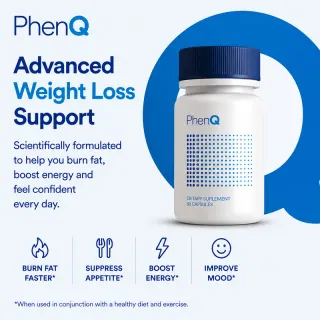
PhenQ
Wolfson Brands · capsuleBest for Daytime Energy: a caffeinated daytime option for some — but useless for after-dinner cravings, and it hides its doses.
Caffeine provides a genuine daytime energy and appetite-blunting kick.
Key actives are hidden in proprietary blends (a-Lacys Reset, Capsimax).
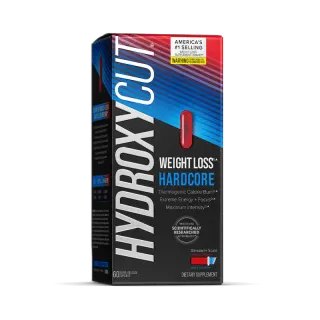
Hydroxycut Hardcore
Hydroxycut (Iovate) · capsuleA cheap stimulant thermogenic — daytime energy only, with weak weight-management evidence.
Cheap per serving.
265 mg caffeine per serving (up to 530 mg/day) — jitters, sleep disruption, and no good for evening cravings.