Guides
Buyer's research, written straight
Plain-English explainers on how these ingredients work, what the doses mean, and how to choose. No hype.
-
 Appetite Science
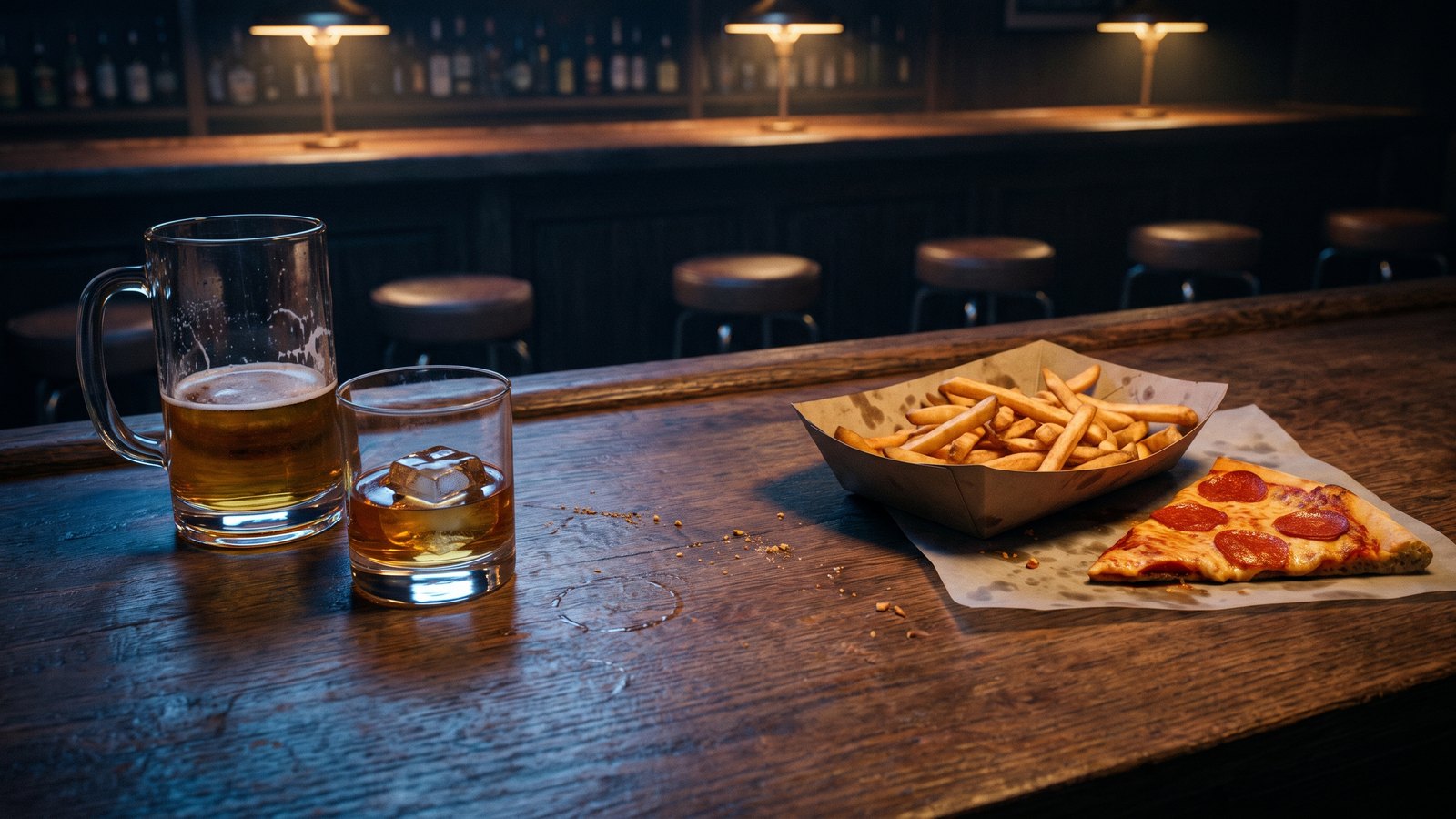
Drunk Munchies vs High Munchies: Why Alcohol and Weed Make You Hungry
Does alcohol make you hungry? Yes, but not the way weed does. Alcohol keeps the brain's starvation neurons firing and lowers leptin; THC raises food reward. Here is what the studies measured, side by side.
Sep 17, 2026 -
 Appetite Science
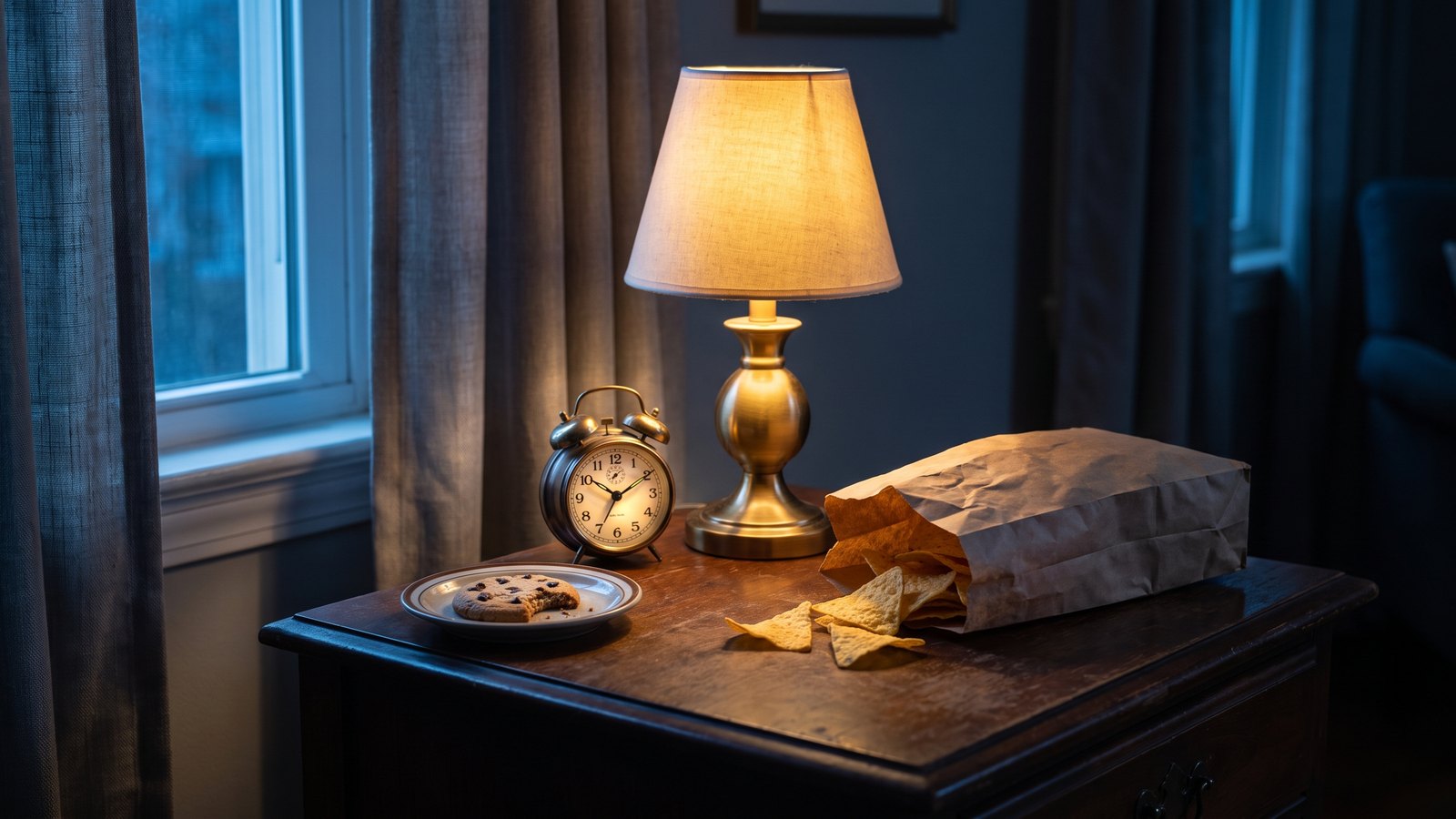
Why Do I Get the Munchies at Night? The Timing Behind It
Your body clock peaks hunger around 8 PM, short sleep turns it up, and THC works on the brain's reward system rather than your stomach. Here is what the research shows about nighttime munchies and hunger after eating.
Sep 16, 2026 -
 Buyer's Guide
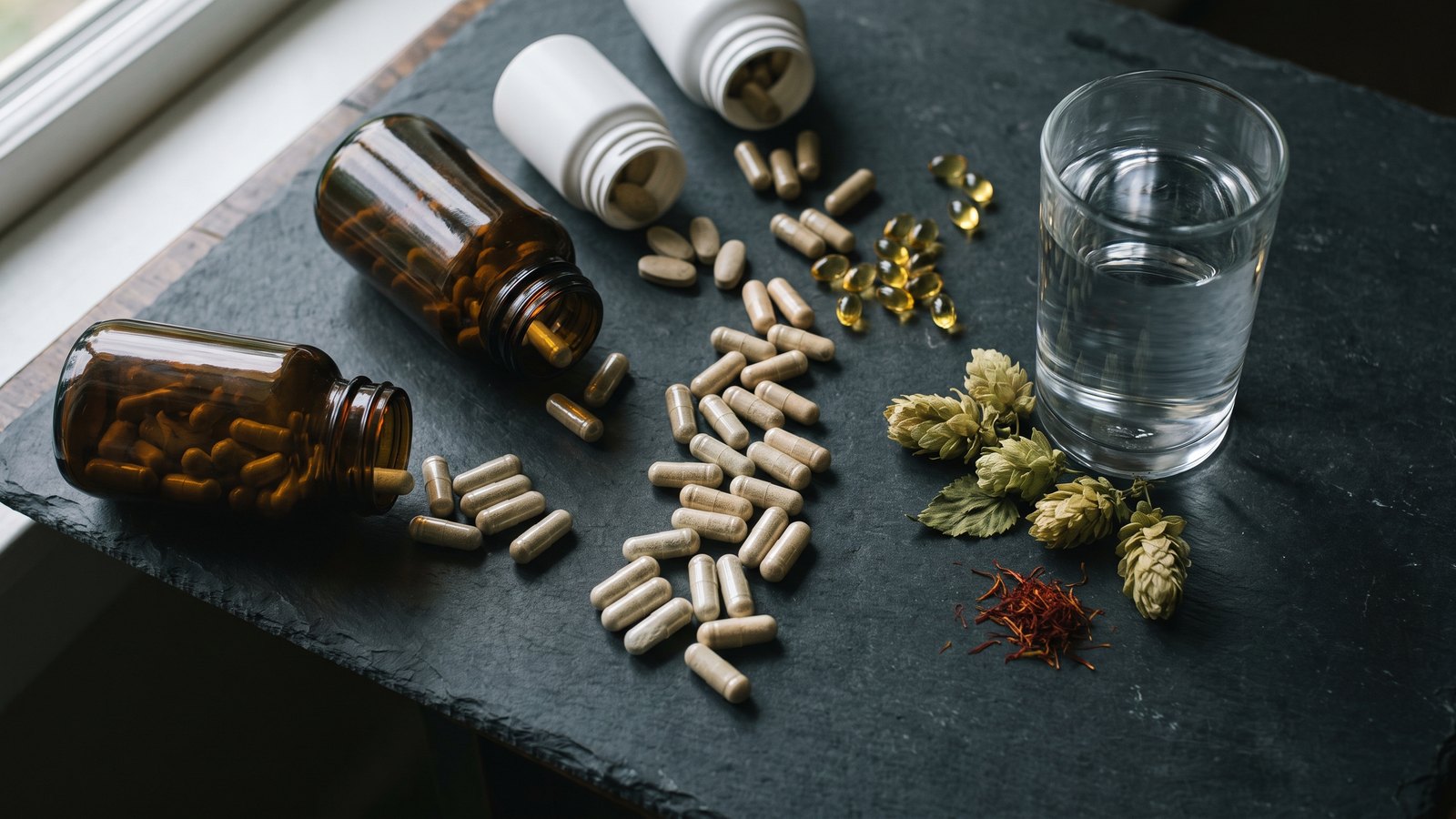
Best Appetite Suppressant Pills: 8 Over-the-Counter Options, Ranked
The over-the-counter appetite suppressant pills that hold up, scored on one public rubric: what each one does, the evidence at its real size, price per serving, and the cons.
Sep 15, 2026 -
 Snack Science
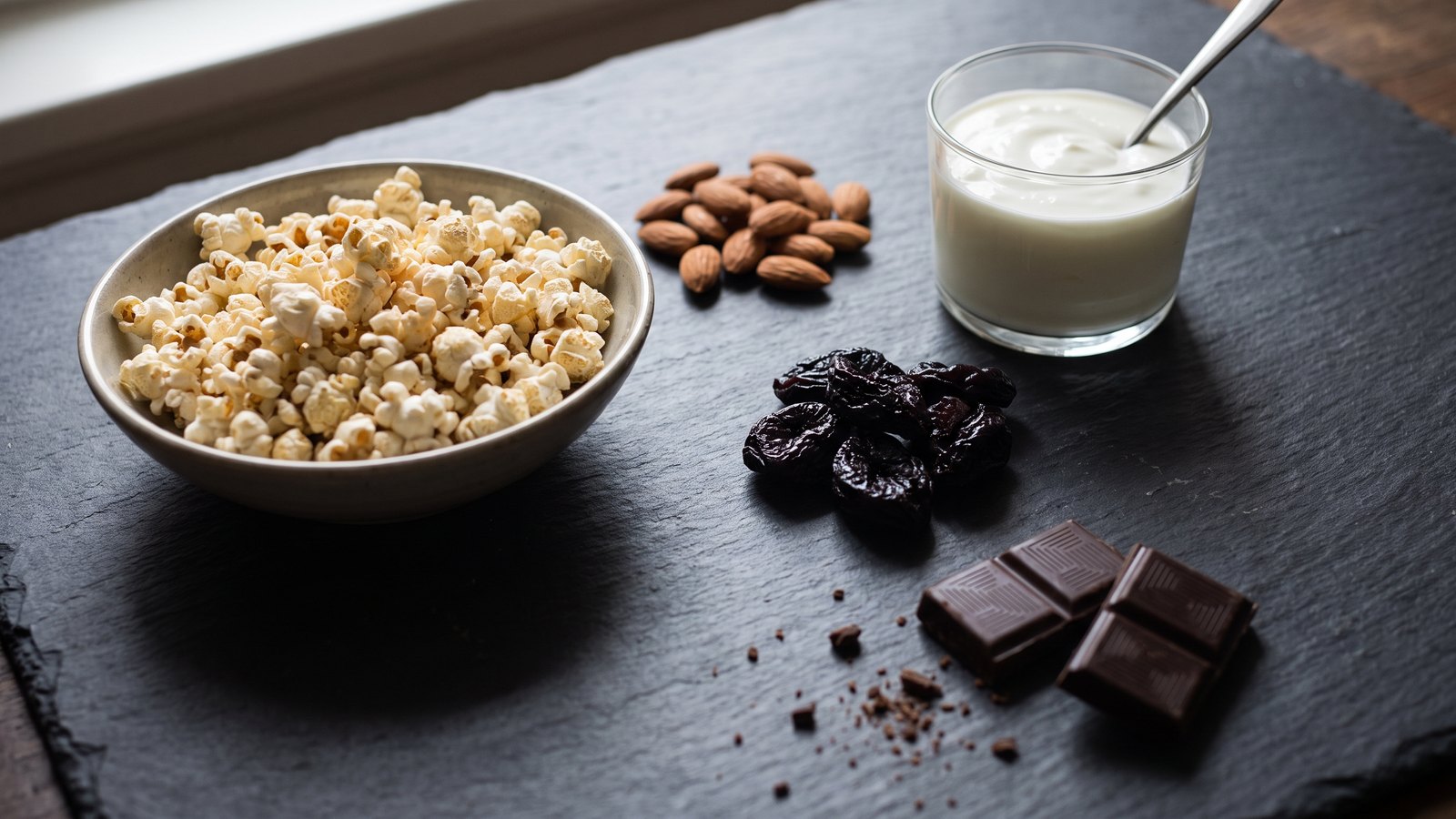
Healthy Snacks for the Munchies, Ranked by What Actually Fills You Up
Six snacks ranked on the trials that measured hunger, fullness and how much people ate afterwards. Popcorn beat chips. Yogurt beat chocolate by about 100 calories at dinner. Most 'healthy' snack foods were never tested at all.
Sep 14, 2026 -
 Cannabinoid Science
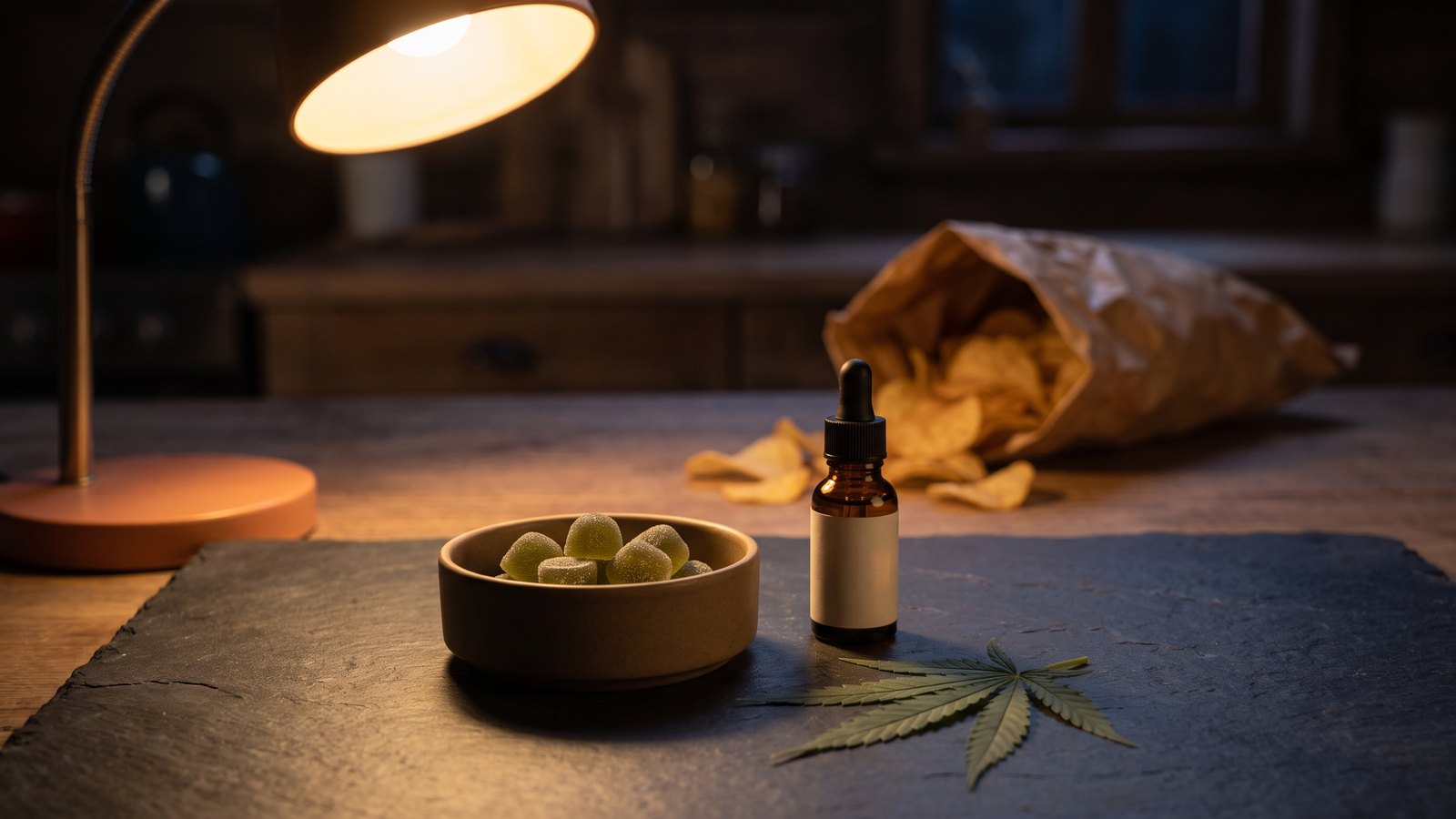
THCV for the Munchies: Does It Actually Work?
THCV gets sold as diet weed and a munchies blocker. The human trials are small, none measured the munchies, and swallowed THCV peaks hours after the munchies start. Here is what the research shows.
Sep 11, 2026 -
 Product Review
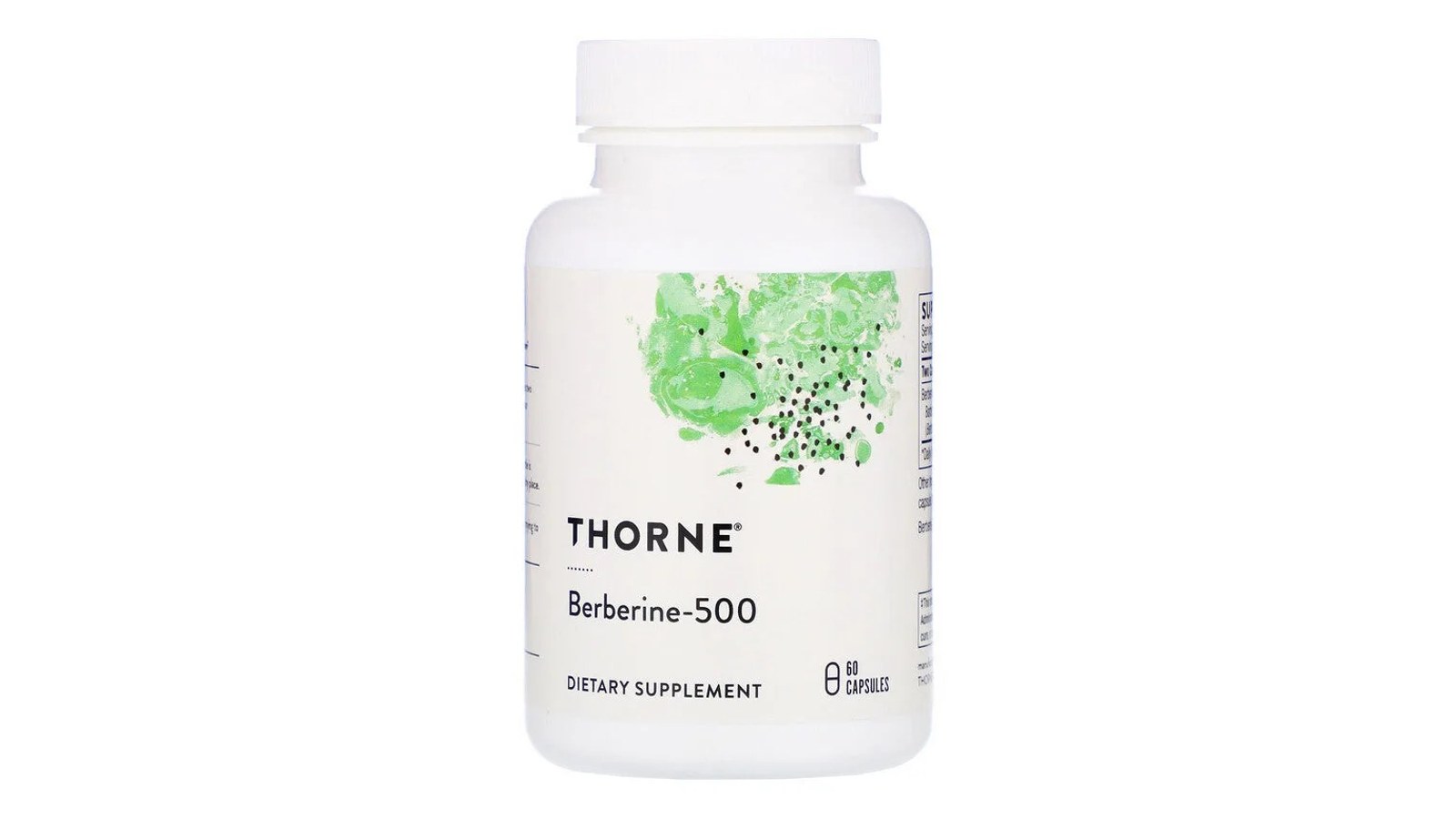
Thorne Berberine Review: What 1,000 mg Buys You, and What It Won't
An honest Thorne Berberine review: what's on the label, what the phytosome actually adds, the drug-interaction data, the side effects, the real price per day, and who should skip it.
Sep 10, 2026 -
 Buyer's Guide
Best Stimulant-Free Appetite Suppressant: The Caffeine-Free Field, Ranked
Caffeine barely suppresses appetite and costs you sleep. Here is what the evidence says about going stimulant-free, and the six caffeine-free options scored on the same public rubric.
Sep 9, 2026 -
 Attention and Appetite
Food Noise and ADHD: Why the Volume Runs Higher
ADHD is linked to binge-type eating at roughly four times the odds and to adult obesity at 1.5 times. None of that research measured food noise directly. Here is what the overlap really shows.
Sep 8, 2026 -
 Meal Timing
How to Stop Nighttime Snacking: What the Research Actually Supports
Your appetite is built to peak around 8 PM, and short sleep turns it up further. Here is the circadian and sleep evidence on nighttime snacking, the interventions with real trials behind them, and the ones that are still guesswork.
Sep 7, 2026 - Buyer's Guide
Read This Before You Buy a Natural GLP-1 Supplement
The label says GLP-1. The hormone lasts two minutes. Here is what the brands borrowing the drug's name are actually selling, the six checks to run before you pay, and how the field scores on them.
Sep 6, 2026 -
 Craving Mechanics
"I Can't Stop Eating Sugar": Why, and What Actually Helps
The loop has a mechanism behind it, and it isn't a character flaw. What the research says about the crash-then-crave cycle, whether sugar is addictive, why cutting it out cold backfires, and what the trials say actually helps.
Sep 4, 2026 -
 Delivery Science
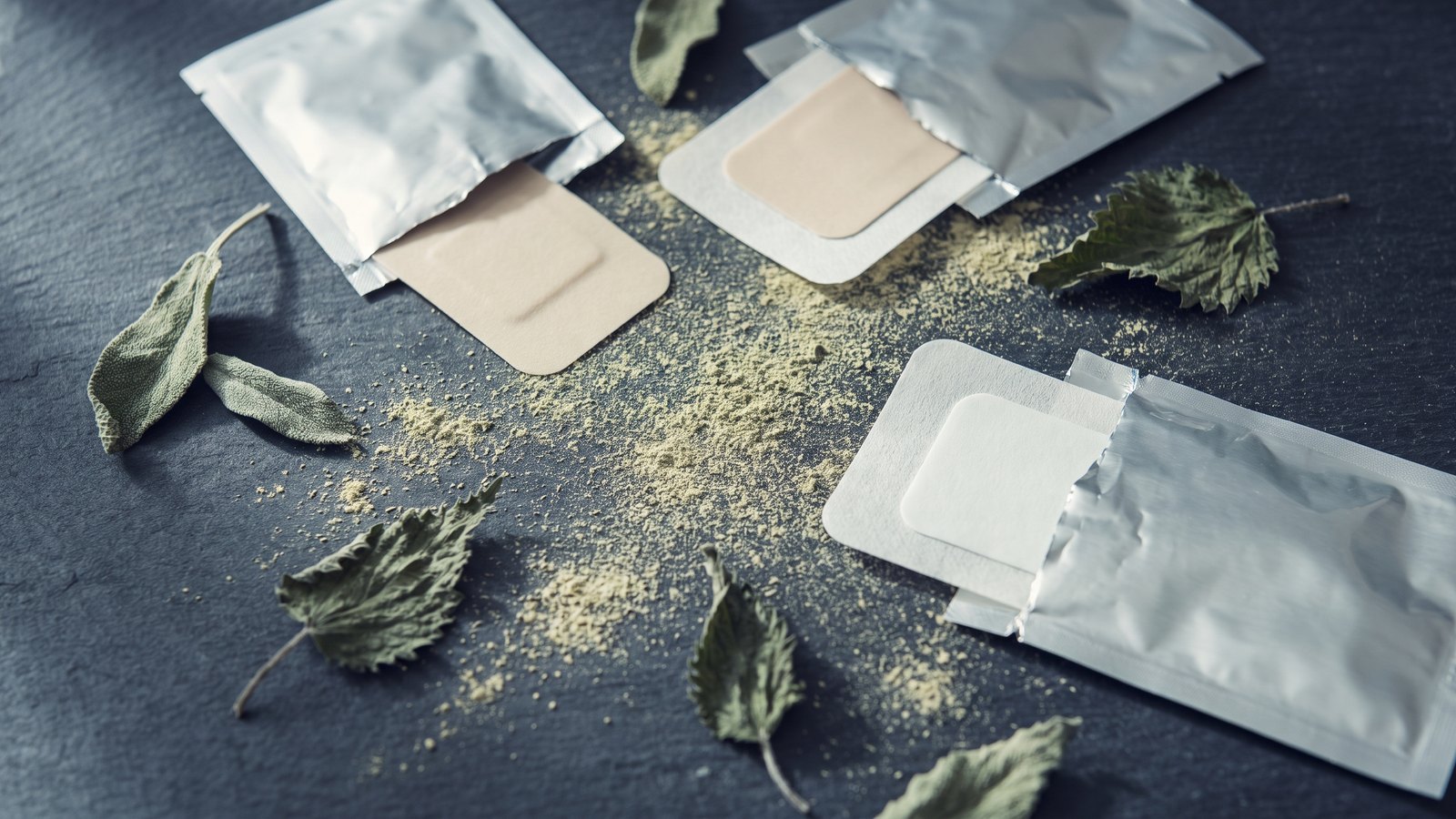
Do Appetite Control Patches Work? What the Evidence Actually Says
Weight-loss and appetite patches promise to work while you forget you're wearing them. Here is the skin-barrier science, the one human study on nutrient patches, the mechanism problem nobody advertises, and the FTC actions that already settled part of this question.
Sep 3, 2026 -
 Evidence Ranking
Supplements for Food Noise: What Might Help, What's Just Noise, and the One We'd Buy
No supplement has ever been tested against a validated food-noise measure. Here's what the human trials on adjacent endpoints actually found, which ingredients survive the check, and how to read a label that promises quiet.
Sep 2, 2026 -
 Appetite Levers
How to Stop Food Noise Without GLP-1 Drugs
The evidence-ranked ladder for quieting food noise when medication isn't on the table: sleep, protein, glucose dips, cues, and where supplements honestly sit.
Sep 1, 2026 -
 Appetite Science
What Is Food Noise? The Constant Food Chatter, Explained
Food noise got a formal scientific definition in 2025, and it is not the same thing as hunger. Here is what researchers mean by the term, how it differs from an ordinary appetite, whether it counts as an eating disorder, and what the evidence actually supports about quieting it.
Aug 31, 2026 -
 Claim Forensics
What "Up To" Actually Means on a Supplement Label
Up to 12 pounds. Up to 4 inches. Two small words turn one person's best result into the number you remember. Here is how per-protocol maxima, back-calculated calories and moving primary outcomes get built into a headline, and the five questions that take a claim apart.
Aug 28, 2026 -
 Product Review
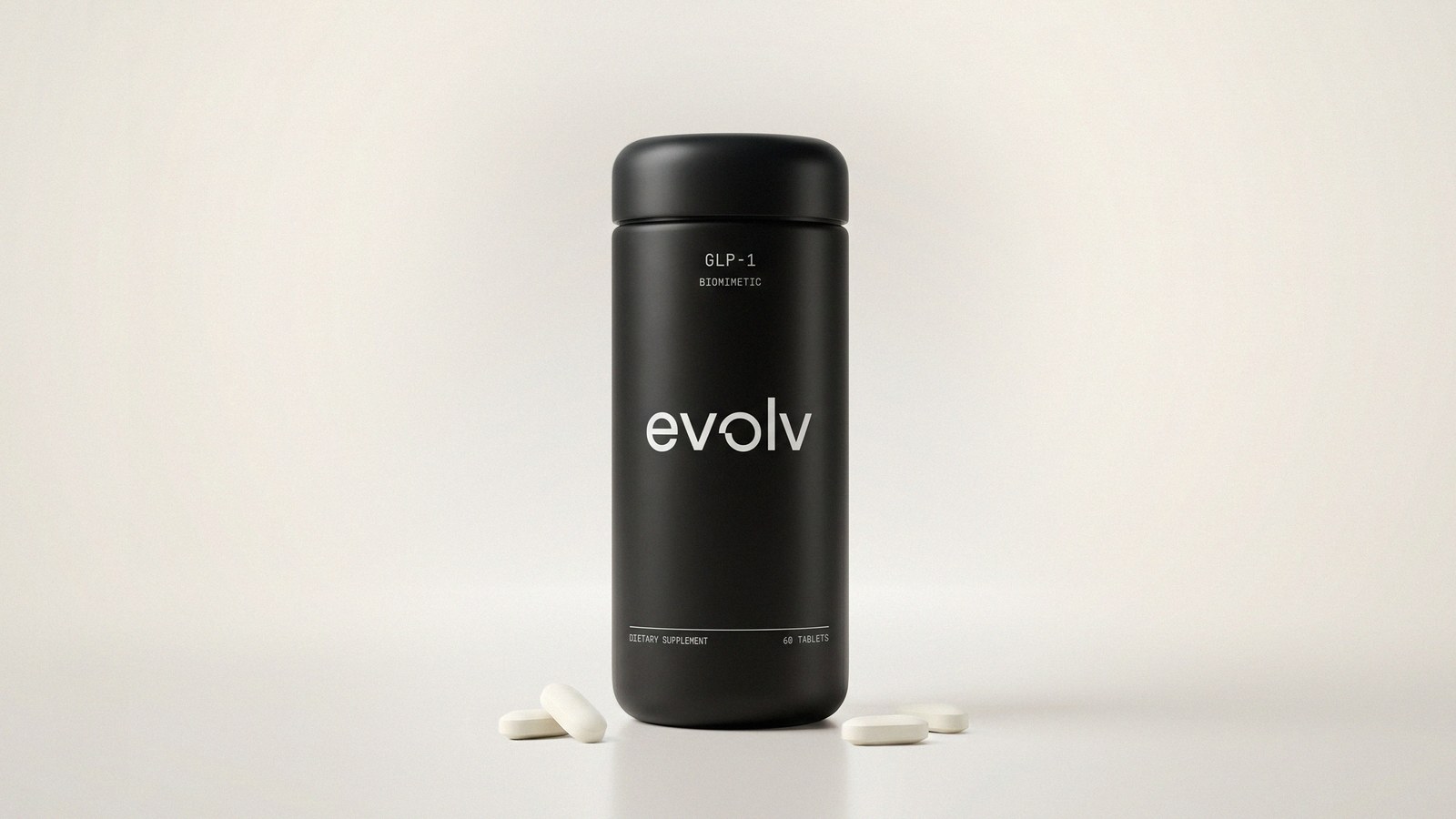
Evolv GLP-1 Review: What "Up To 12+ Pounds" Actually Averaged
Evolv advertises up to 12+ pounds and 4+ inches in 8 weeks. Its own study page reports group averages of 2.87% body weight and 4.02% waist. We read the footnote, ran the arithmetic, and checked the mechanism.
Aug 27, 2026 -
 Head to Head
Evolv GLP-1 vs Calocurb: One Has Human Trials, the Other Has a Blog Post
Two caffeine-free GLP-1 supplements, both around $4 to $5 a day. One is built on an ingredient with four published human trials, including one that found nothing. The other's entire evidence base is an unpublished interim readout on the company's own site.
Aug 27, 2026 -
 Head to Head
Calocurb vs PhenQ: One Hides Its Doses, the Other’s Best Study Used Double the Serving
Calocurb has more real human appetite data behind it than almost anything on the shelf. PhenQ won’t tell you how much of anything is in it. Both products have a dose problem, and they point in opposite directions.
Aug 26, 2026 -
 Head to Head
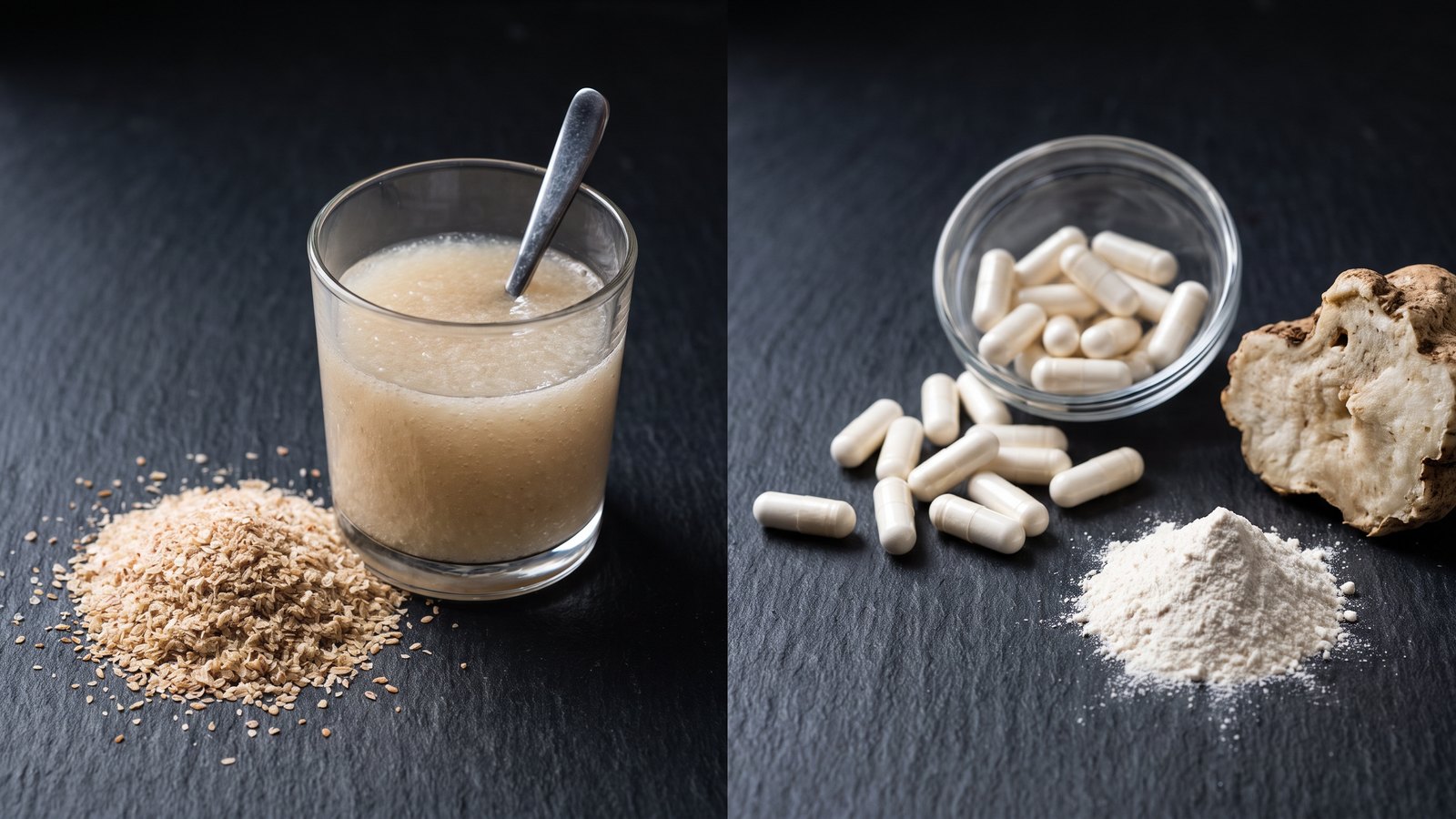
Metamucil vs Lipozene: The Dose on the Label Isn't the Dose in the Studies
One is psyllium at 21 cents a serving. The other is glucomannan at a dollar. The research that separates them has less to do with which fiber wins and more to do with how much of it you would actually have to take.
Aug 25, 2026 -
 Appetite Control
Best Supplements for Appetite Control in 2026: Compared, Scored, and One Winner
Feeling full and eating less are two different outcomes, and most appetite supplements are only tested on the first one. We compare the field on the public rubric, say which trials weighed the food, and crown the product that wins on what you can verify.
Aug 24, 2026 -
 Head to Head
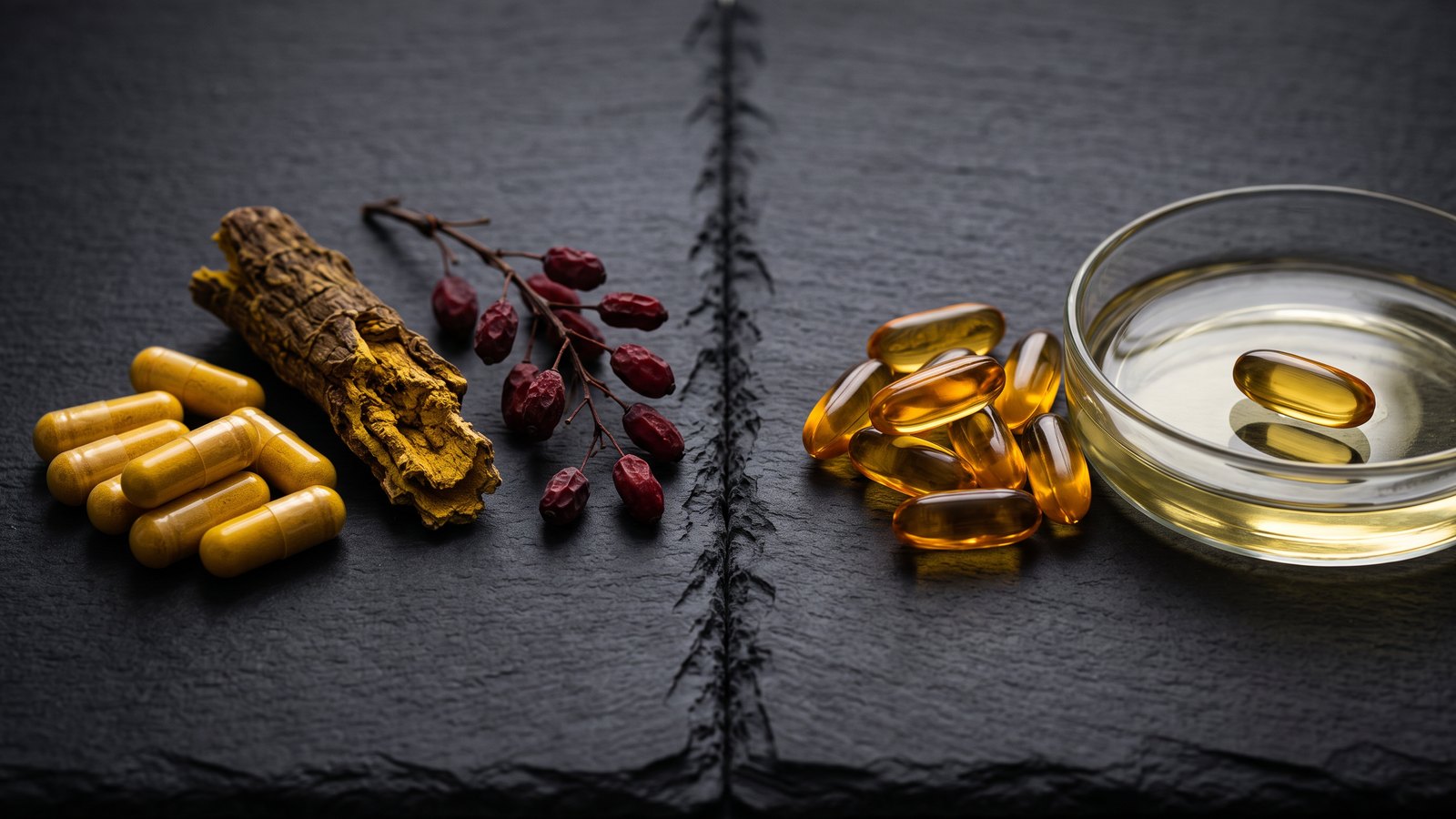
Thorne vs NOW Berberine: Absorption Claims vs the Cheaper Daily Dose
One brand pays for a phospholipid complex to get more berberine into your blood. The other gives you more milligrams for less money. The trials that built berberine's reputation used neither.
Aug 24, 2026 -
 Head to Head
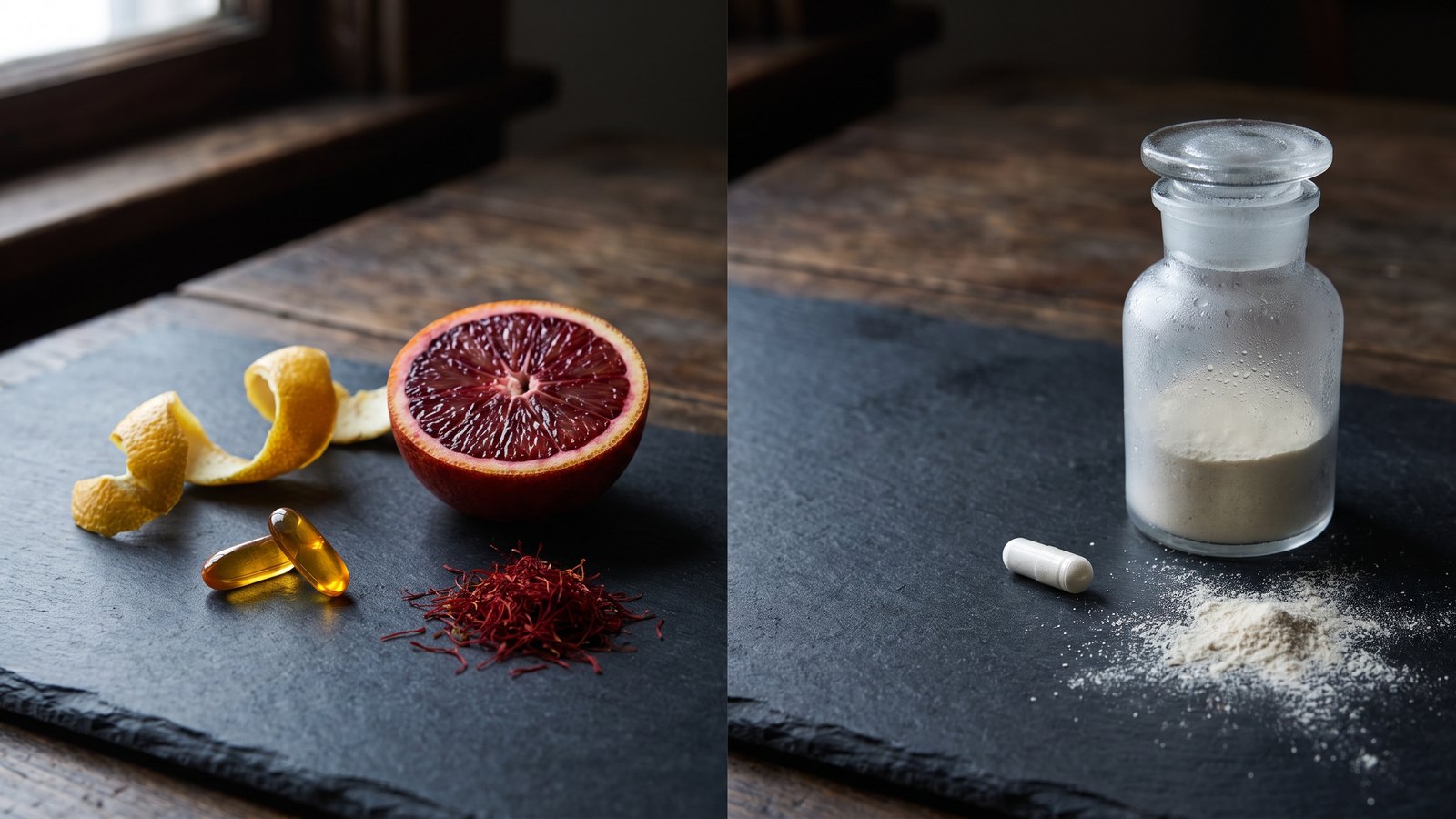
Lemme vs Pendulum: Two Very Different Bets on Your Own GLP-1
Both capsules cost about $2.65 a serving and both put GLP-1 on the label. One is three plant extracts with the hormone measured in human trials. The other is three bacterial strains with a mechanism and no measurement.
Aug 22, 2026 -
 Gut Health
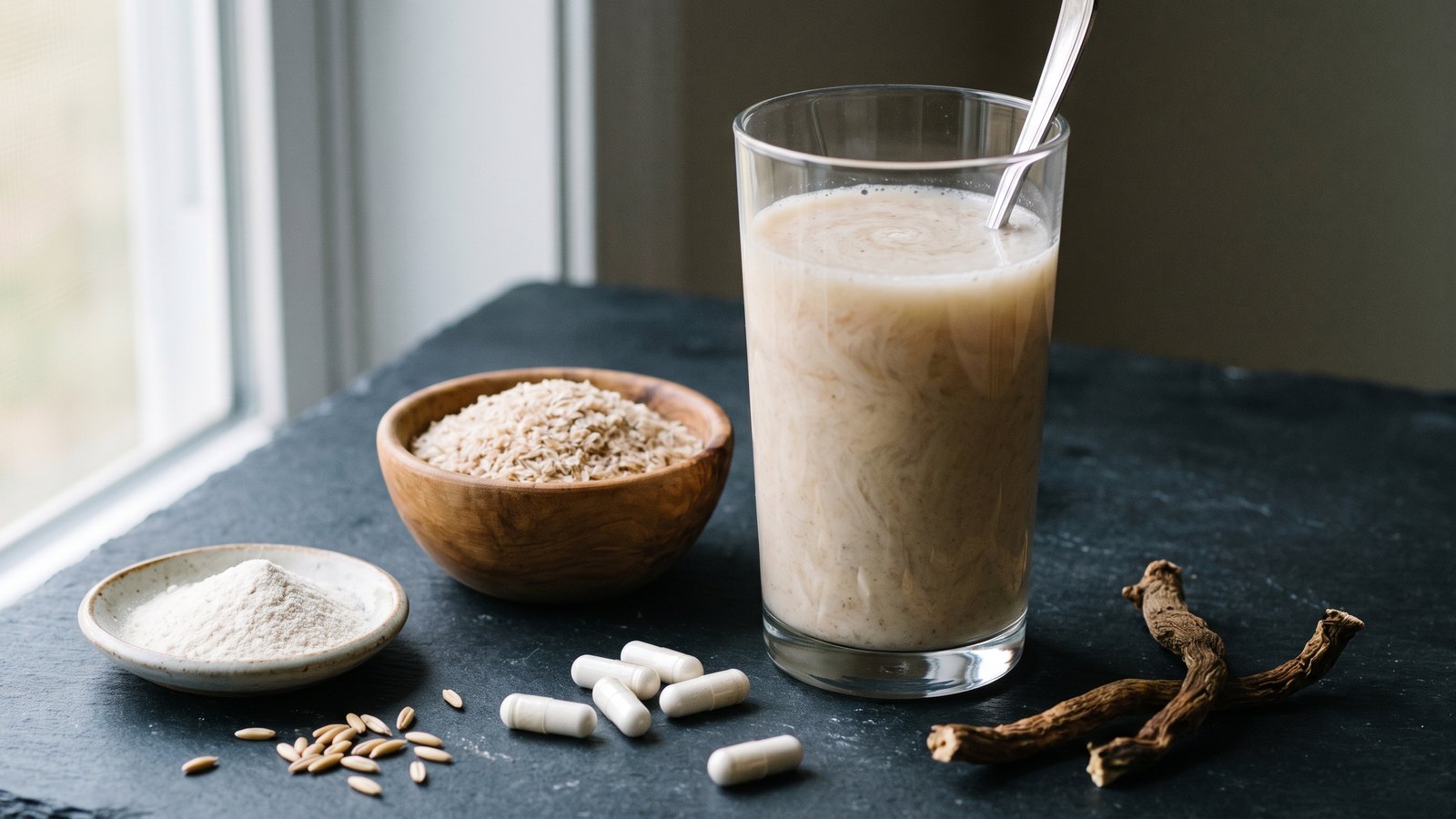
The Best Supplements for Gut Health, and the Question Most of Them Can't Answer
Ranking this shelf is easy. Pinning down what "gut health" means in an actual trial is the hard part, and it's where most of these products come apart. Psyllium, resistant starch, Akkermansia and glucomannan, judged on what researchers measured.
Aug 20, 2026 -
 Ingredient Science
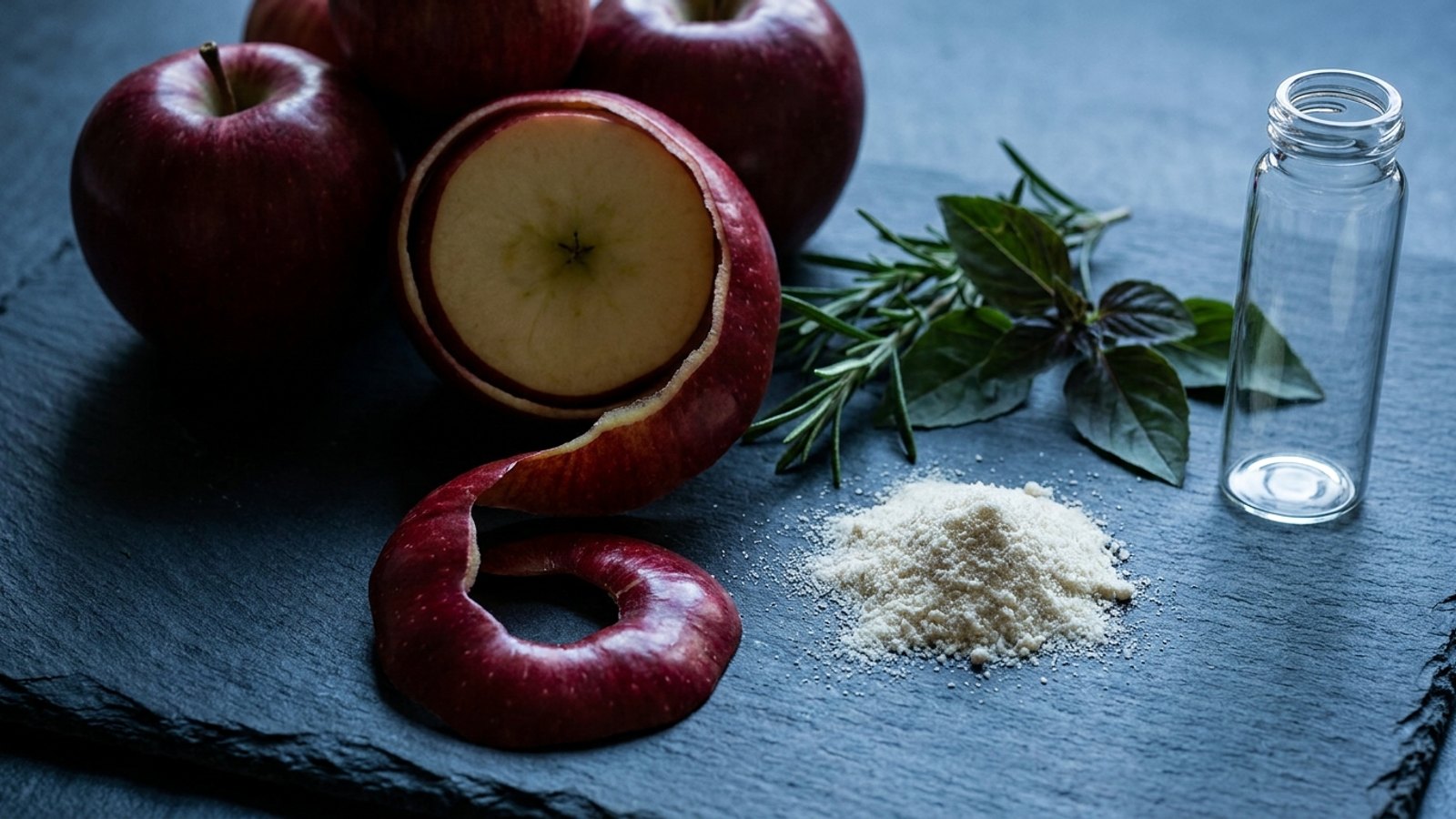
The Science of Ursolic Acid: What the Apple-Peel Compound Actually Does for Muscle and Metabolism
Ursolic acid is the newest compound on the metabolism shelf, and the mouse data behind it is genuinely striking. The human data is thin, underpowered, and mostly null. Here is the honest gap between the two.
Aug 19, 2026 -
 Metabolic Science
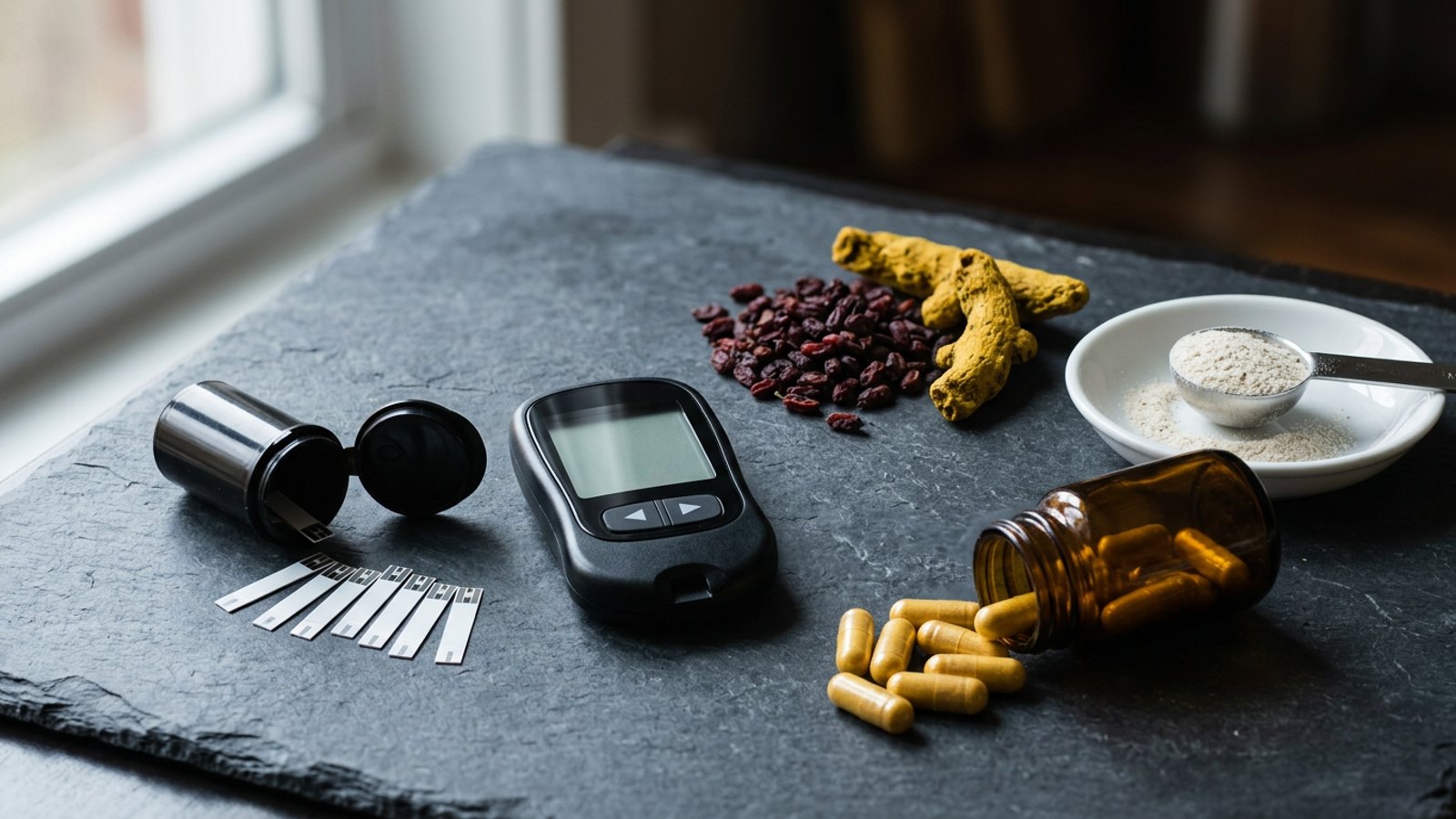
The Best Supplements for Blood Sugar Control, and Who the Research Was Actually Done On
Berberine, chromium, psyllium and Akkermansia all have human glucose trials behind them. Almost every one of those trials enrolled people with diagnosed type 2 diabetes on medication, which is not who's buying these products.
Aug 17, 2026 -
 Appetite Science
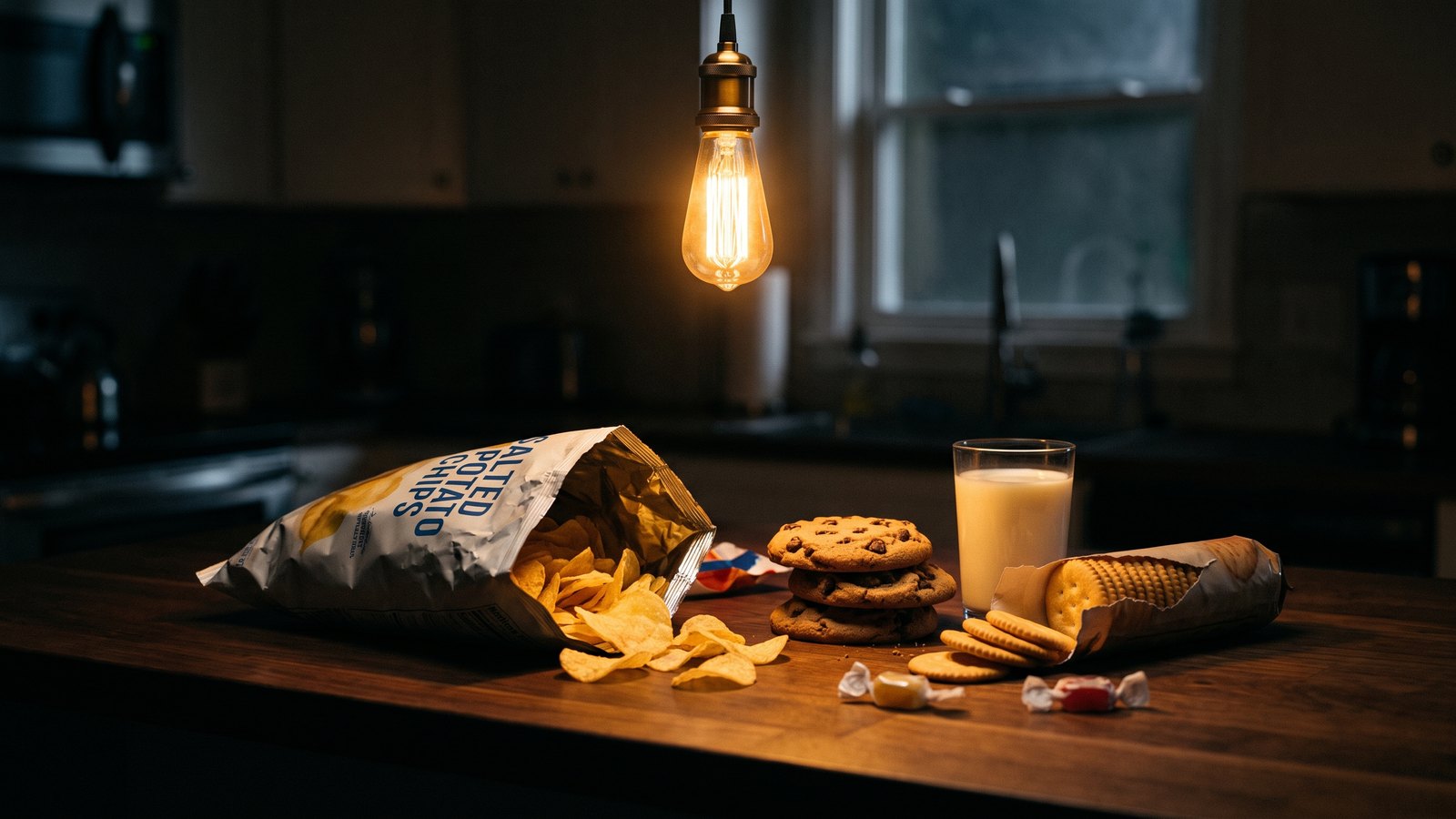
The Best Supplements for the Munchies in 2026, Compared, and the 30-Minute Window Most of Them Miss
No supplement has been tested against cannabis-driven eating, so we compare the field on what you can verify, explain why the newest human data says timing beats mechanism, and crown the one we would actually drink before a session.
Aug 15, 2026 -
 Head to Head
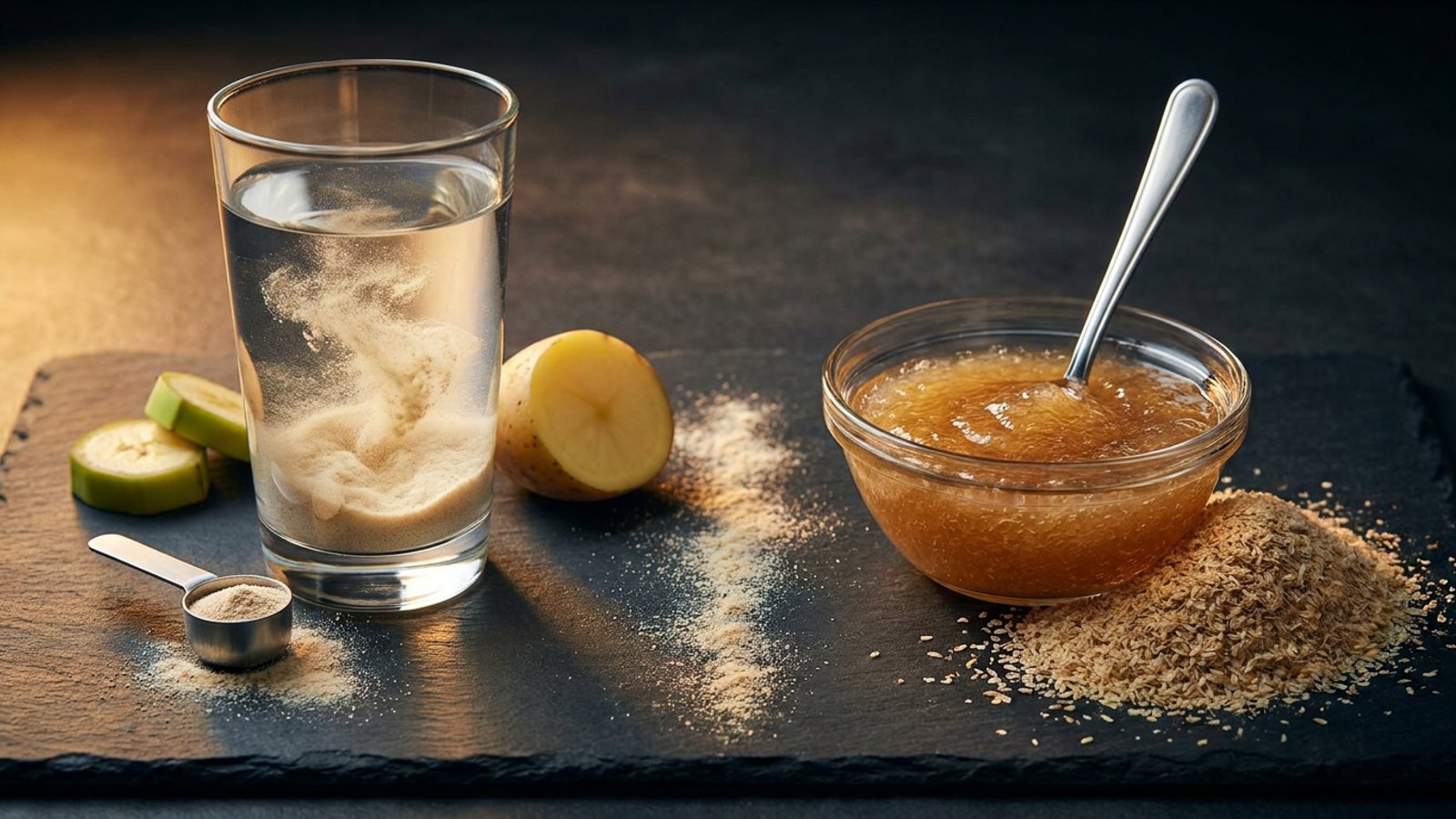
Supergut vs. Metamucil: One Fiber Gets Eaten, One Fiber Gels
Both are powders you stir into water. One is built to be fermented by your gut bacteria, the other is built to swell into a gel and pass straight through. The trials behind them measured completely different things.
Aug 13, 2026 -
 GLP-1 Support
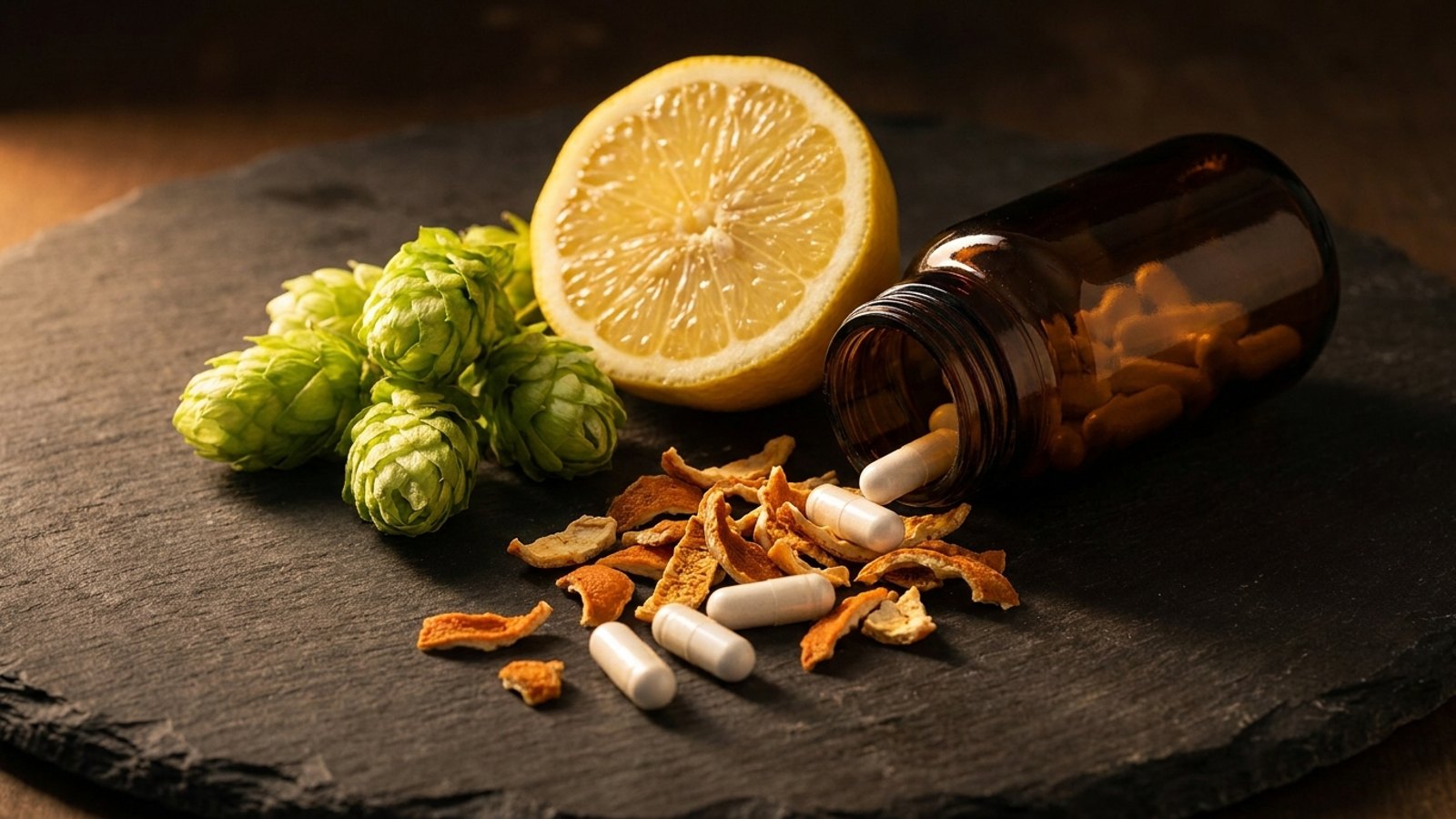
The Best Natural GLP-1 Supplements of 2026, Ranked on What Is Actually in the Bottle
Five products sell themselves on GLP-1. We ranked them on the five things you can check before you pay: doses printed, no proprietary blend, no stimulants, evening use, and a refund. Then we say what the trials did and did not measure.
Aug 13, 2026 -
 Head to Head
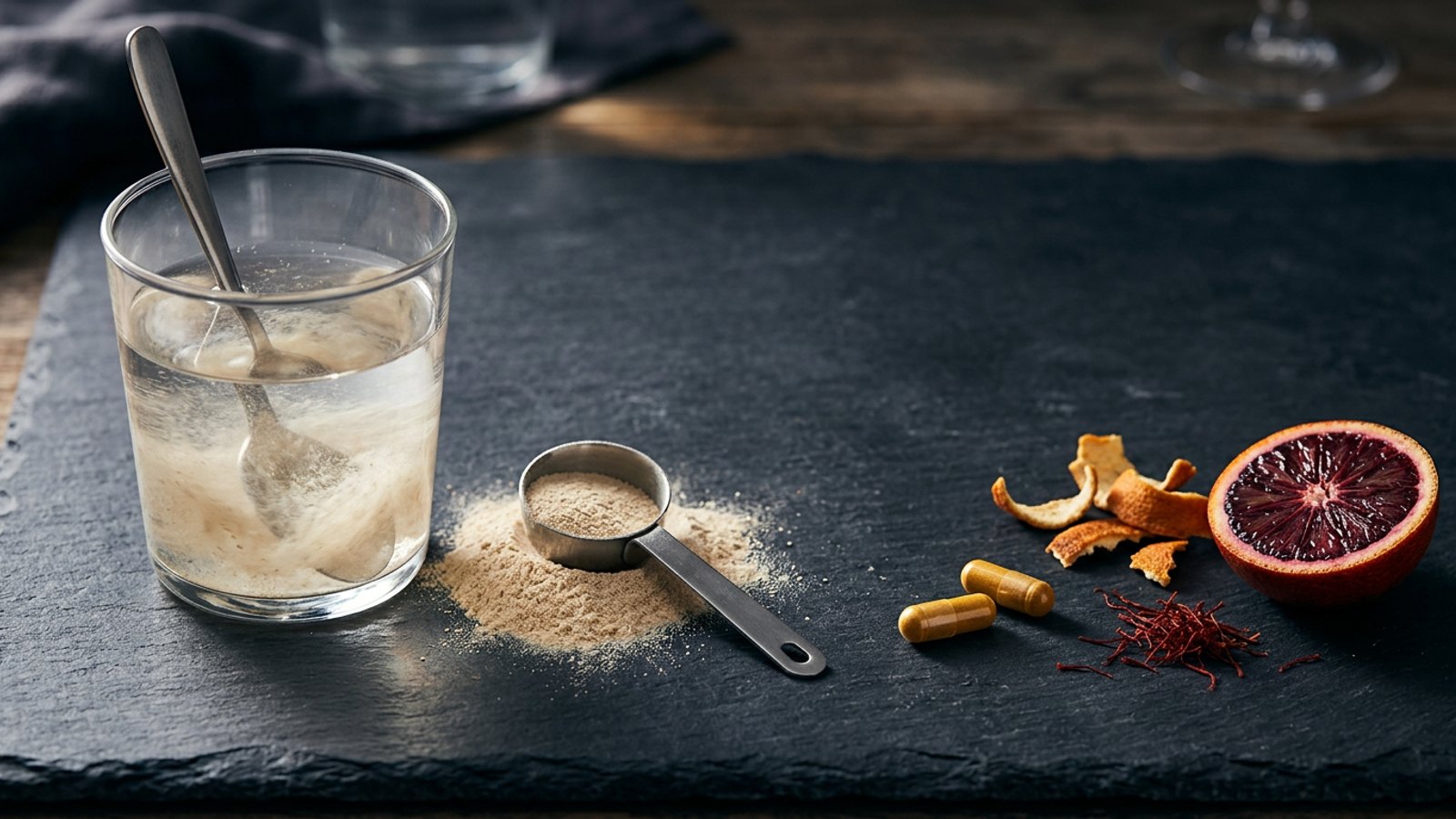
Supergut vs. Lemme: Two Very Different Bets on the Same Three Letters
One is 6.5 g of fermentable fiber in a glass of water. The other is 776.5 mg of plant extract in two capsules. They share the same claim and not one ingredient, and the research treats them very differently.
Aug 6, 2026 - Buyer's Guide
The Best Supplements for Sugar Cravings, Ranked by Actual Evidence
We went through every product we track and applied one filter: has a human trial measured a craving, not just a calorie count? Four survived. Two are the wrong tool entirely.
Aug 5, 2026 -
 Sweetener Science
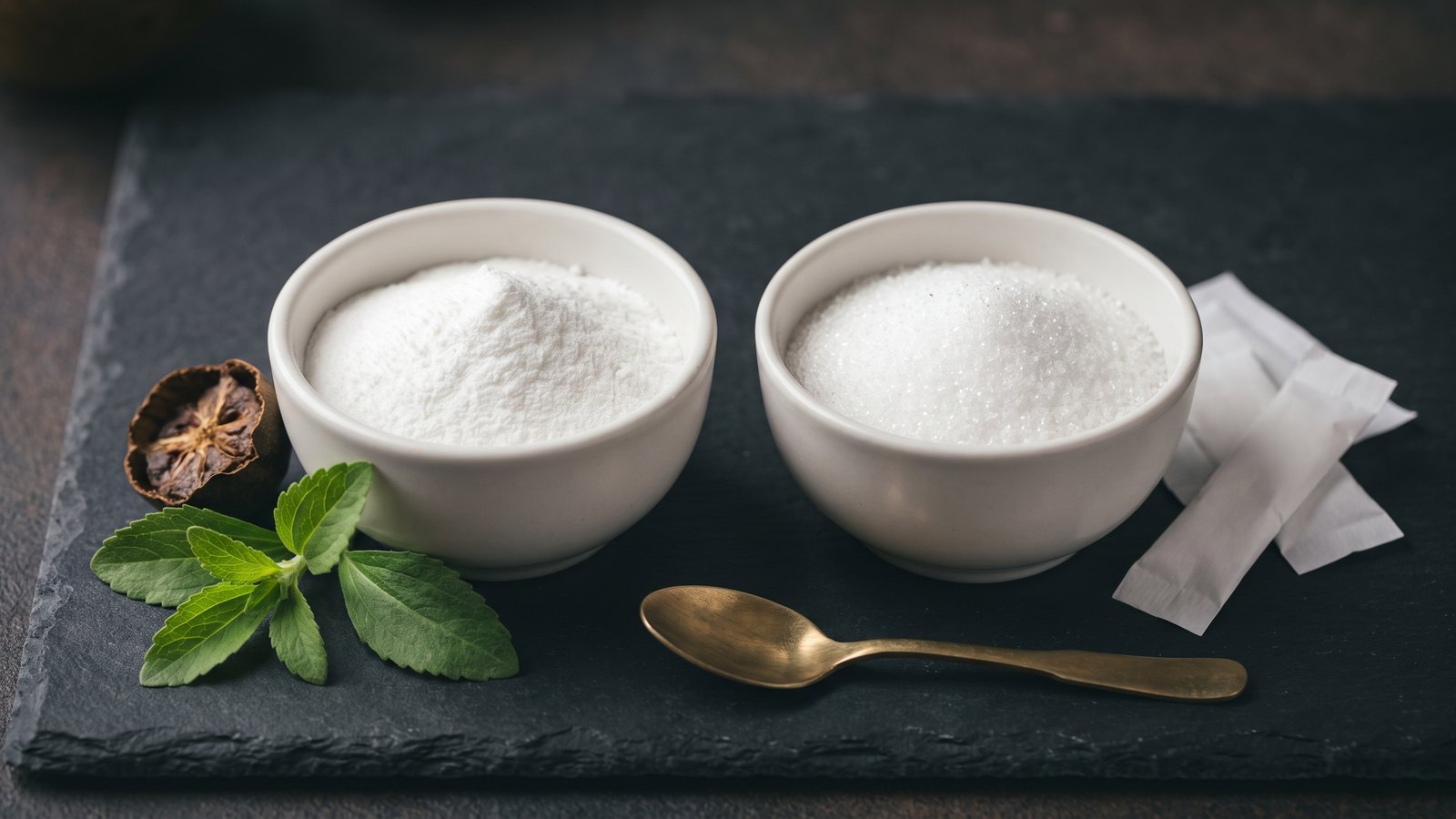
Natural vs. Artificial Sweeteners: Does Your Gut Tell Them Apart?
One randomized trial ran stevia, saccharin, sucralose and aspartame through the same 120 people and measured the same things. The results don't split the way the shelf does.
Aug 4, 2026 -
 Sweetener Science
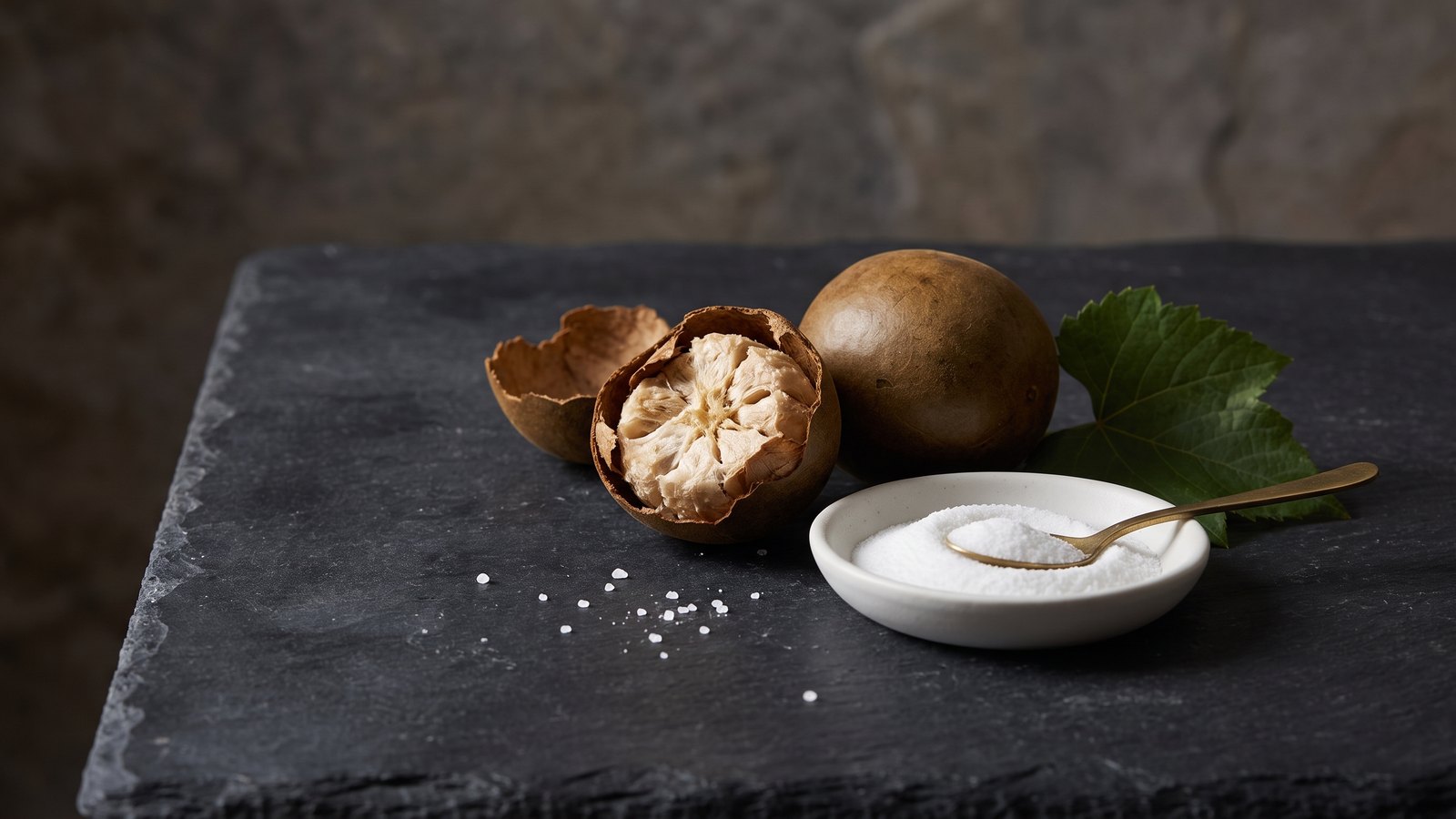
Monk Fruit for Cravings: Hype vs. Evidence
Monk fruit is the premium sweetener people graduate to, and the least-studied one on the shelf. Here is what the human trials found, including the one that gets misquoted as proof it makes you eat more.
Aug 3, 2026 -
 Sweetener Science
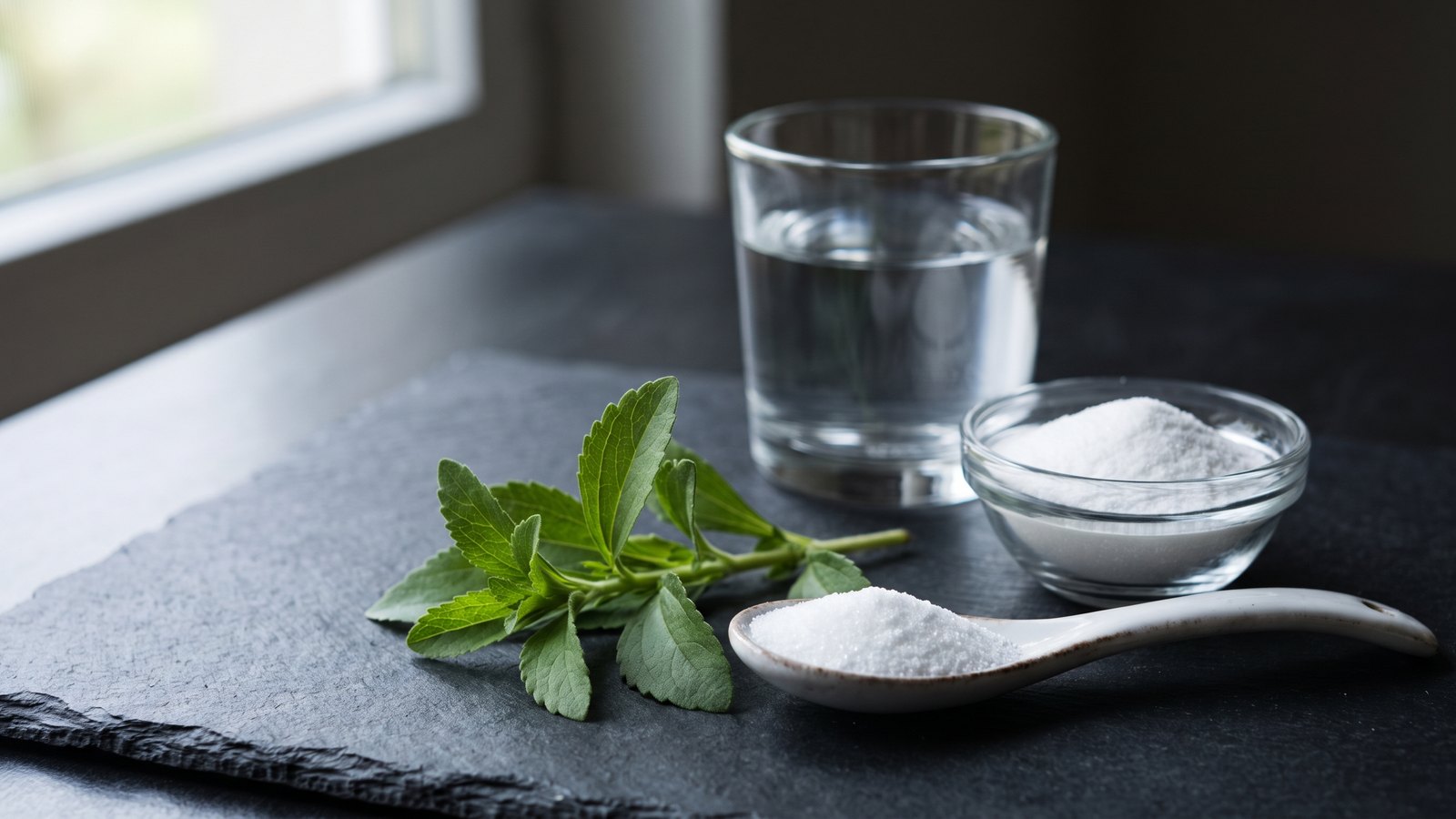
Stevia and Cravings: What the Research Actually Shows
Stevia is what people switch to once they've decided the artificial sweeteners are the problem. The trials on appetite are more interesting, and more contradictory, than either side of that argument lets on.
Jul 31, 2026 -
 Sweetener Science
Sucralose Under the Microscope: Reading the Scary Findings Carefully
Sucralose has collected more uncomfortable results than any other non-caloric sweetener: an insulin-sensitivity drop reproduced twice by the same lab, a genotoxic manufacturing impurity, and evidence it breaks down when you bake with it. Here's what each one actually shows.
Jul 30, 2026 -
 Sweetener Science
Aspartame and the "Possibly Carcinogenic" Headline: What the Ruling Actually Said
Two WHO panels published on aspartame the same morning in 2023. One called it a possible carcinogen. The other left the safe daily limit exactly where it had been for decades. Here's how both can be true, and what the appetite research says.
Jul 29, 2026 -
 Sweetener Science
Do Artificial Sweeteners Actually Trigger Cravings?
The theory says sweet taste without calories leaves your brain waiting for a payoff that never lands. Brain scans half agree. The trials that tracked real eating for a year point the other way.
Jul 28, 2026 -
 Sweetener Science
What Artificial Sweeteners Do to Your Gut Bacteria: The New Research
Sucralose, saccharin, aspartame and ace-K were sold as inert. A decade of microbiome research says otherwise, except for the trials that found nothing at all. Here's what's actually established.
Jul 27, 2026 -
 Ingredient Science
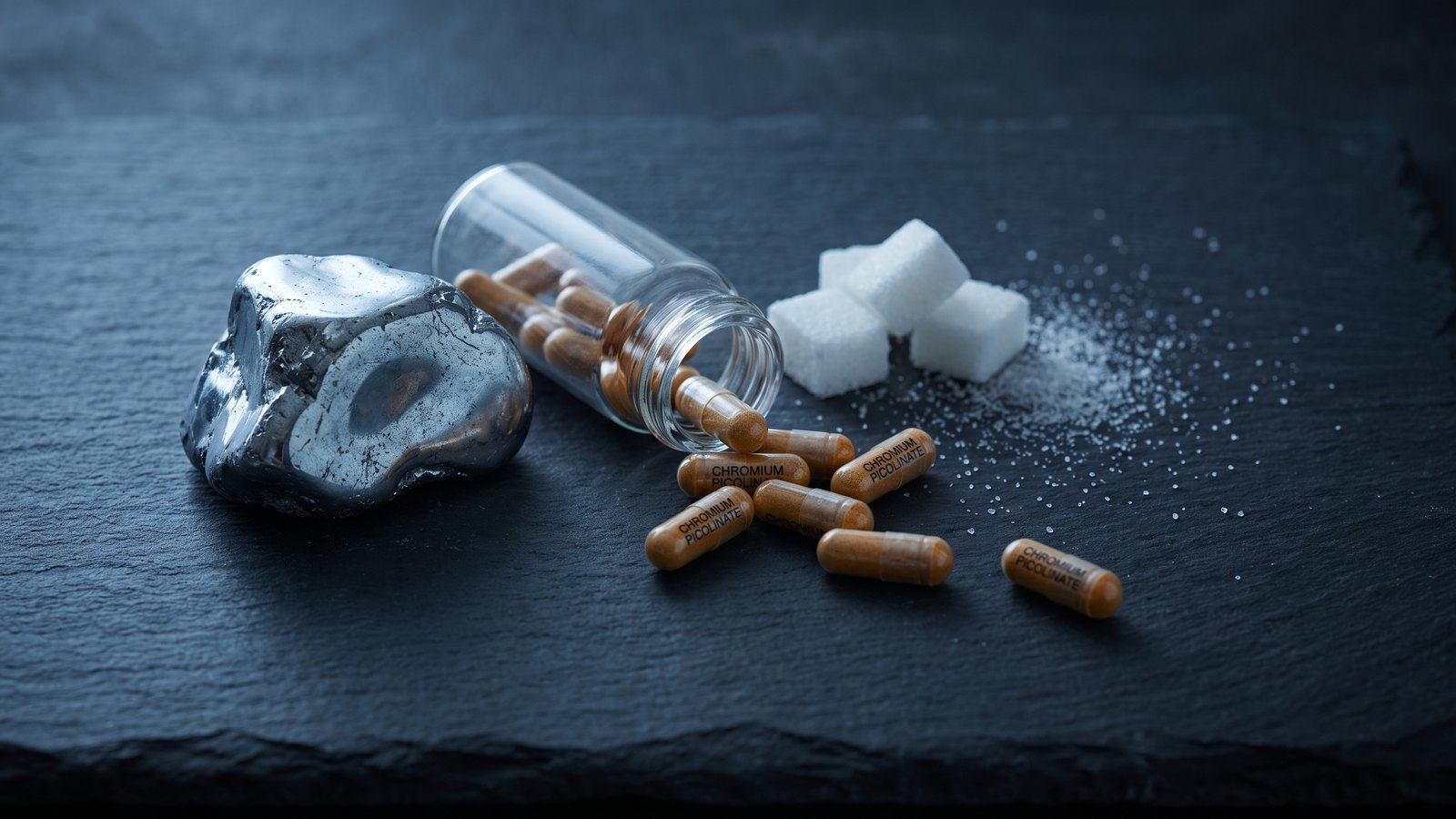
The Science of Chromium for Cravings: One Real Signal, a Lot of Overreach
Chromium picolinate is the classic 'stop sugar cravings' pill. The reputation traces to one specific study in an unexpected place. Here's what the human evidence actually supports, and where the marketing runs way past it.
Jul 24, 2026 -
 Ingredient Science
The Science of Akkermansia Muciniphila: The Mucus-Eating Gut Bug With a GLP-1 Angle
Akkermansia muciniphila is the hyped gut bacterium behind half the 'metabolic health' probiotics on the shelf. Here's what the human data actually shows, where the GLP-1 story comes from, and the twist most labels leave off.
Jul 23, 2026 -
 Ingredient Science
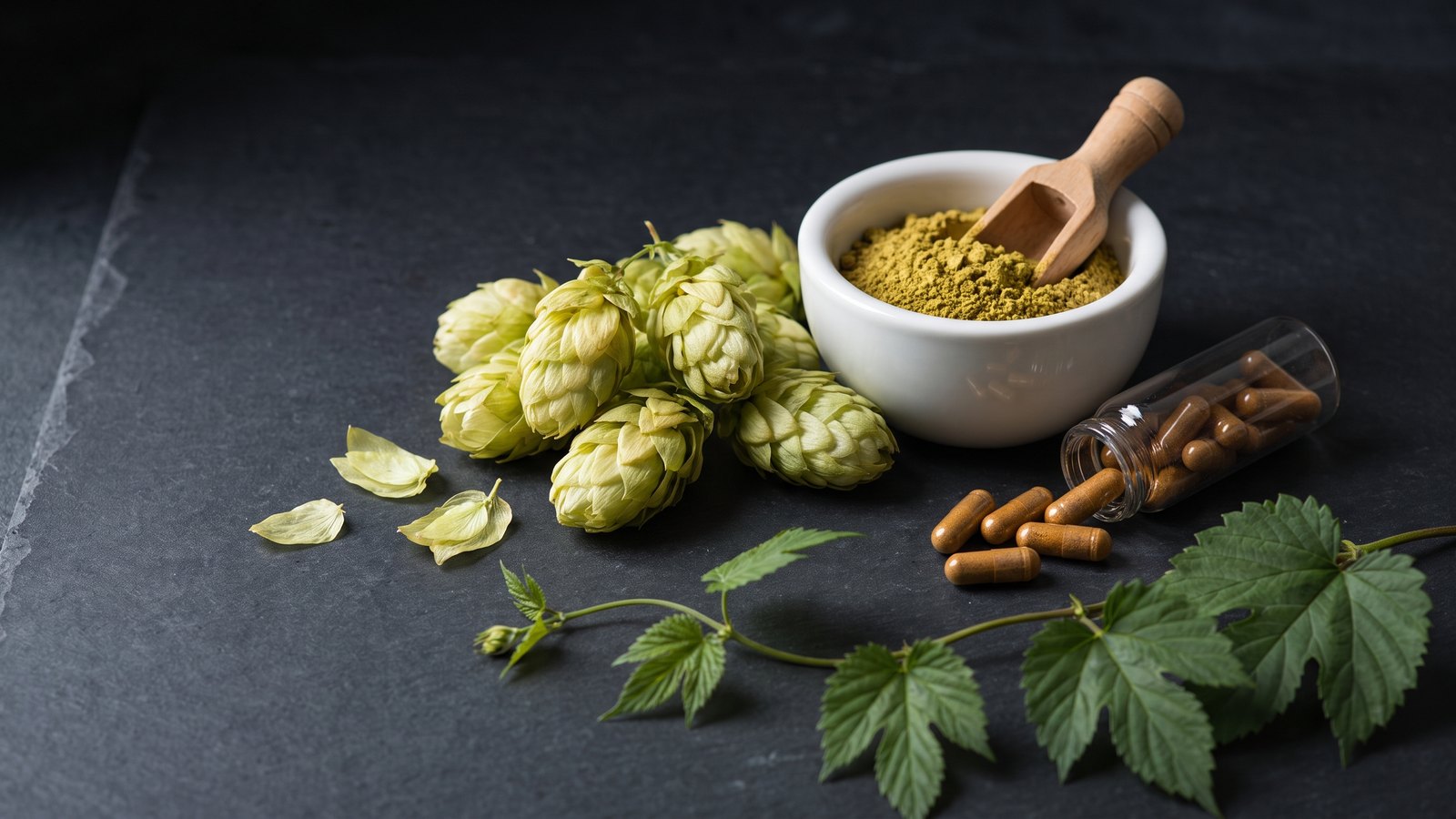
The Science of Amarasate (Bitter Hops Extract): A Real Mechanism With a Replication Problem
Amarasate is a New Zealand bitter hops extract sold as a 'bitter brake' on appetite. Three human trials say it cuts hunger and food intake. One independent trial found nothing. Here's what the evidence actually supports.
Jul 21, 2026 -
 Ingredient Science
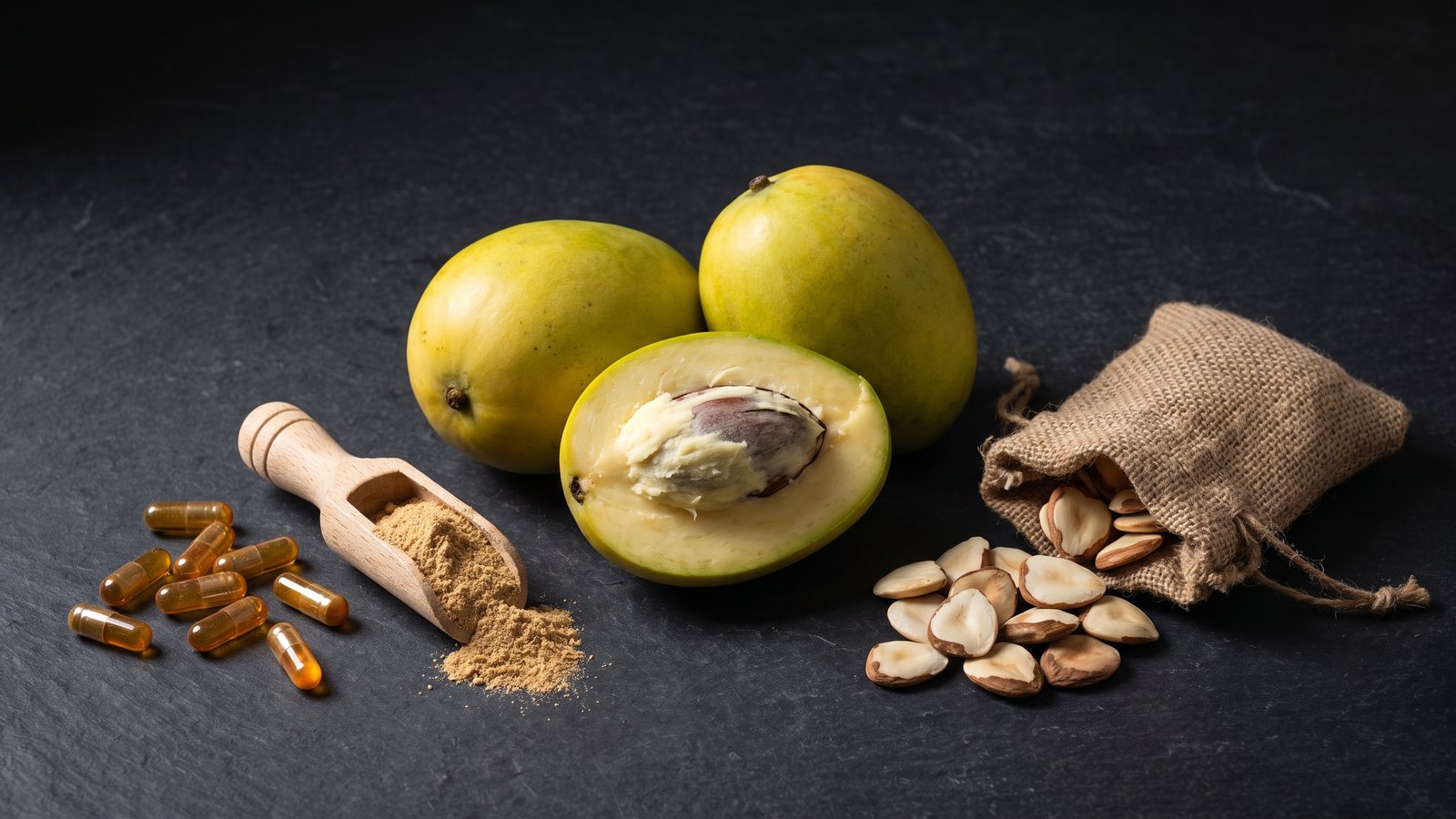
The Science of African Mango (Irvingia): A Fat-Burner Built on Two Small Trials
African mango (Irvingia gabonensis, dika nut) powered a decade of fat-burner ads. Here's what the human trials actually show, why one lab produced most of them, and what happened when an independent team tried to replicate the weight loss.
Jul 20, 2026 -
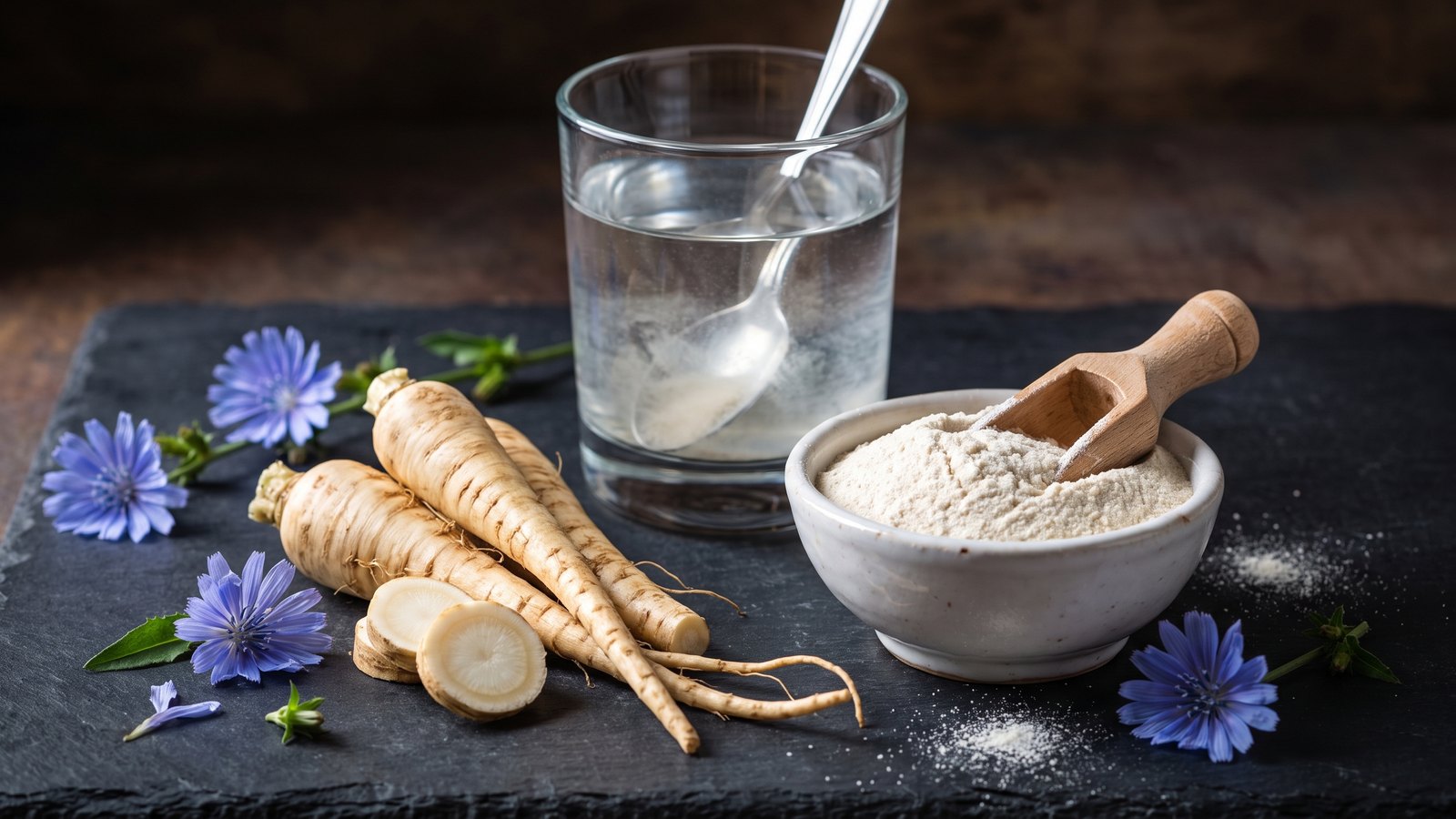 Ingredient Science
The Science of Chicory Inulin: The Prebiotic Fiber in Half Your 'Gut Health' Cart
Chicory inulin is the quiet prebiotic fiber hiding in gut-health powders, protein bars, and 'natural GLP-1' drinks. Here's what the human trials actually show for your microbiome, appetite, and blood sugar, and the dose where it stops being friendly.
Jul 17, 2026 -
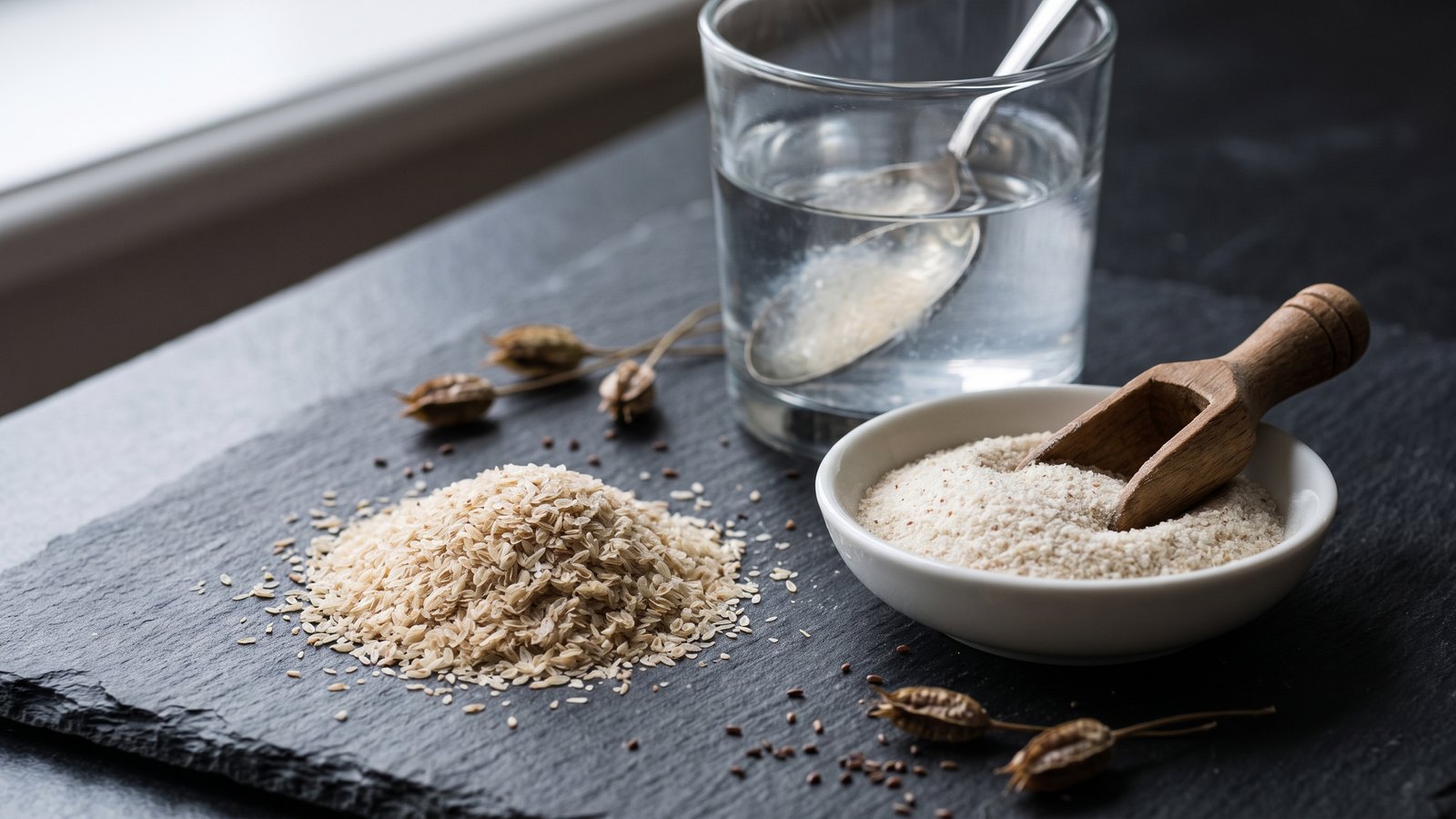 Ingredient Science
The Science of Psyllium Husk: The Boring Fiber With All the Receipts
Psyllium is the plain, decades-old fiber in the tub your grandparents kept in the cupboard. It's also the one with the deepest human evidence for blood sugar, cholesterol, and fullness. Here's what the trials actually show, and the one safety rule you can't skip.
Jul 16, 2026 -
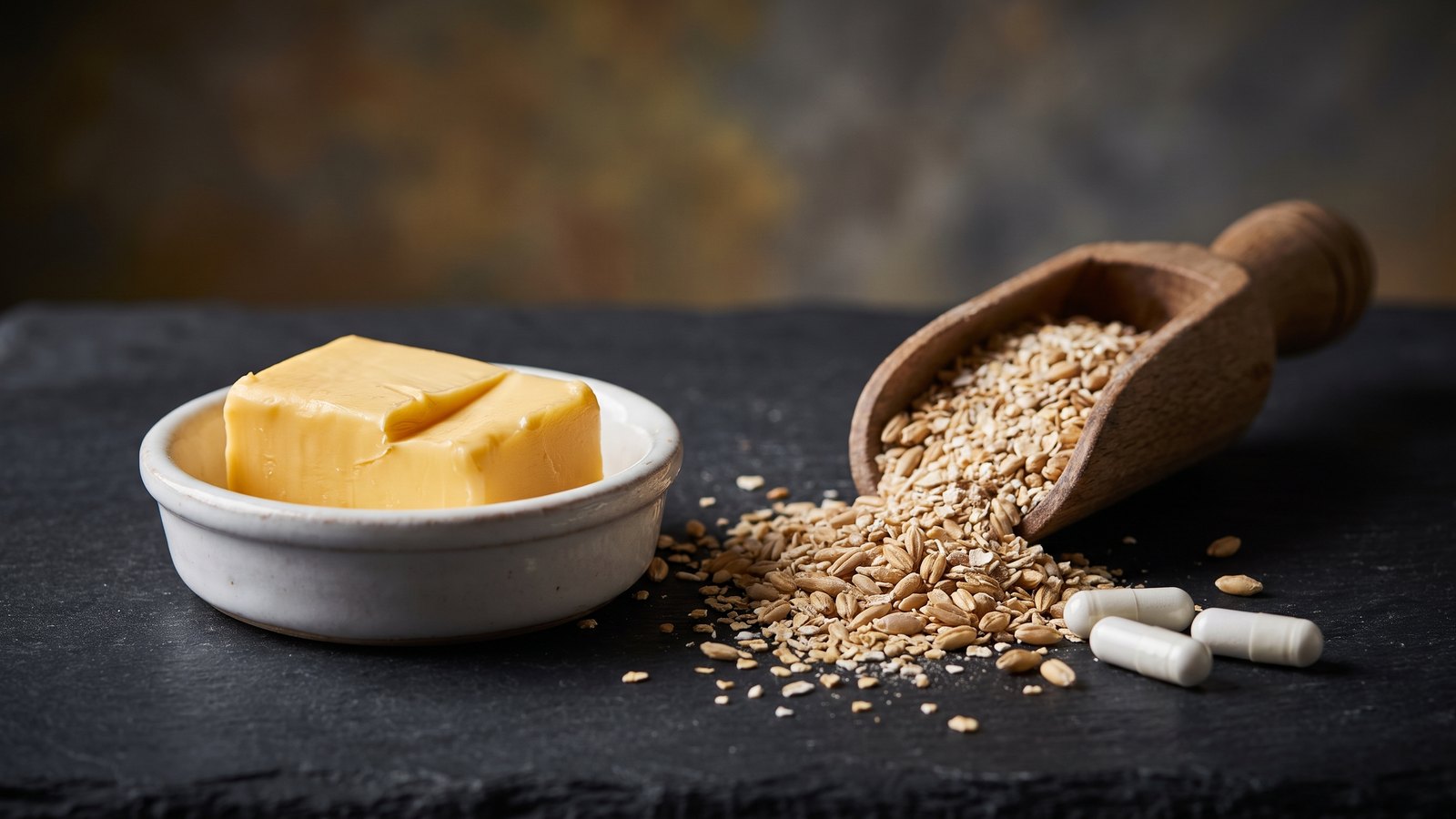 Ingredient Science
Butyrate and GLP-1: A Real Mechanism With a Delivery Problem
Your gut bacteria make butyrate from fiber, and it genuinely talks to the cells that release GLP-1. Whether swallowing butyrate in a capsule does the same thing is a separate question, and the human trials have been humbling.
Jul 15, 2026 -
 Gut-Brain Science
What Is the Gut-Brain Axis, and Why Does It Decide What You Crave?
The gut-brain axis is the two-way communication network between your digestive tract and your brain, running on nerves, hormones, microbial metabolites, and immune signals. Here's what it actually does, why hunger is a signal rather than a character flaw, and which popular claims about it don't hold up.
Jul 15, 2026 -
 Ingredient Science
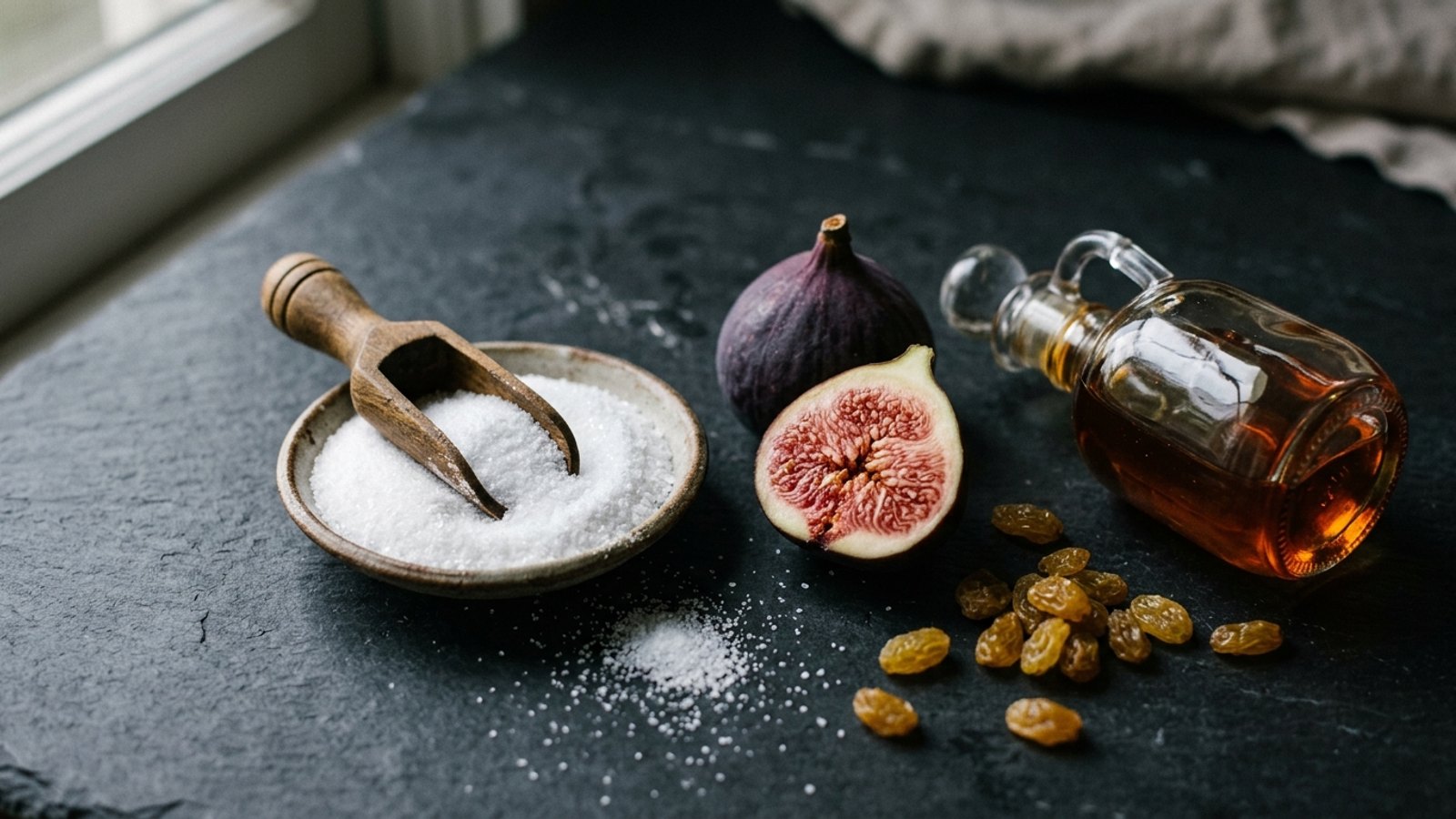
Allulose, Honestly: The Rare Sugar That Tastes Like Sugar and Barely Acts Like One
Allulose tastes like table sugar, has almost no calories, and the FDA lets it off the sugar line entirely. Here's what the human trials actually show for blood sugar, appetite, and body fat, plus the gut and bone caveats nobody puts on the label.
Jul 13, 2026 -
 Ingredient Science
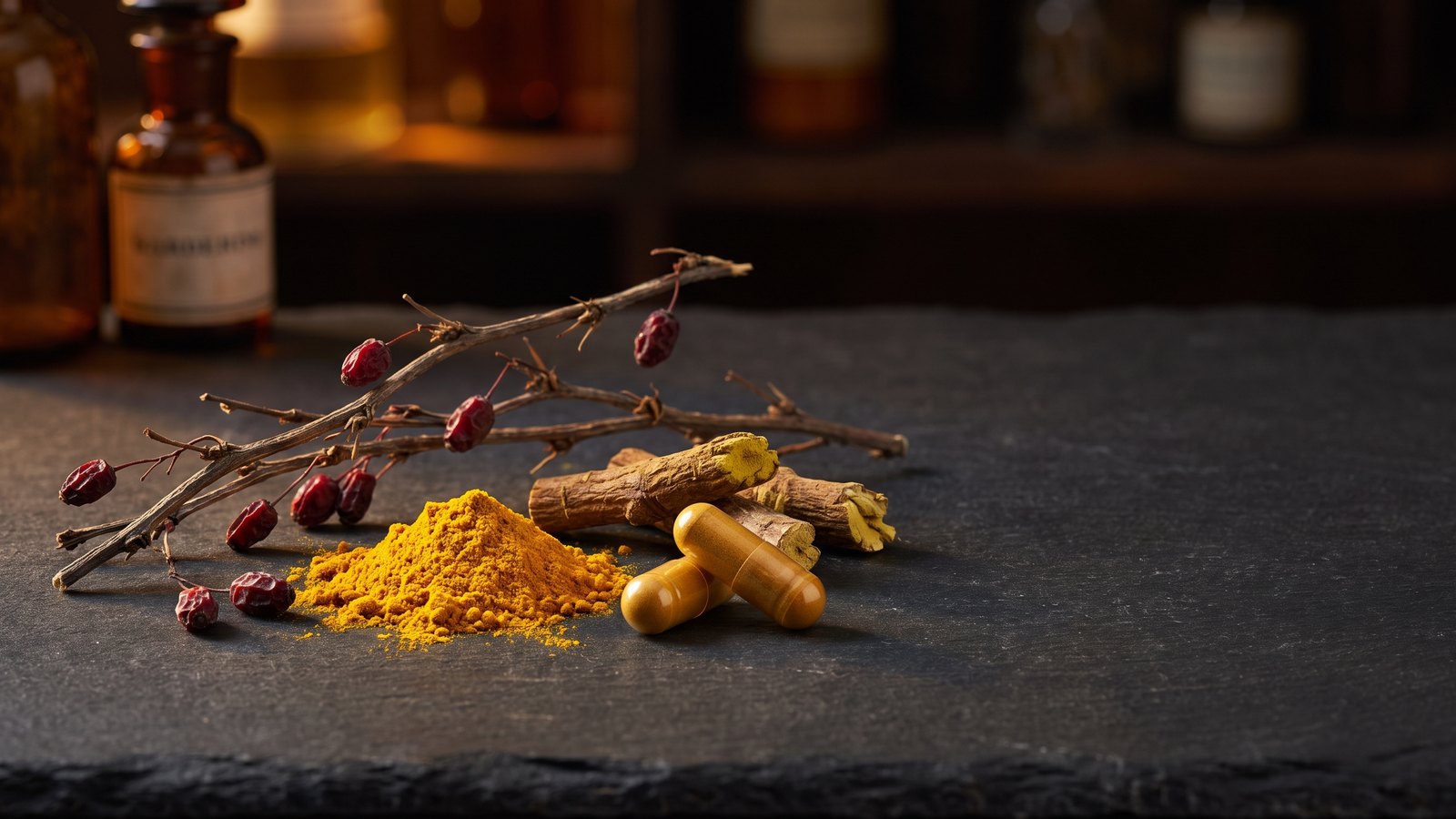
Berberine, Honestly: What the Evidence Says About Blood Sugar, Cravings, and "Nature's Ozempic"
Berberine is the yellow alkaloid the internet keeps calling nature's Ozempic. Here's what the human trials actually show for blood sugar and cravings, the absorption problem nobody mentions, and where the hype outruns the data.
Jul 9, 2026 -
 Ingredient Science
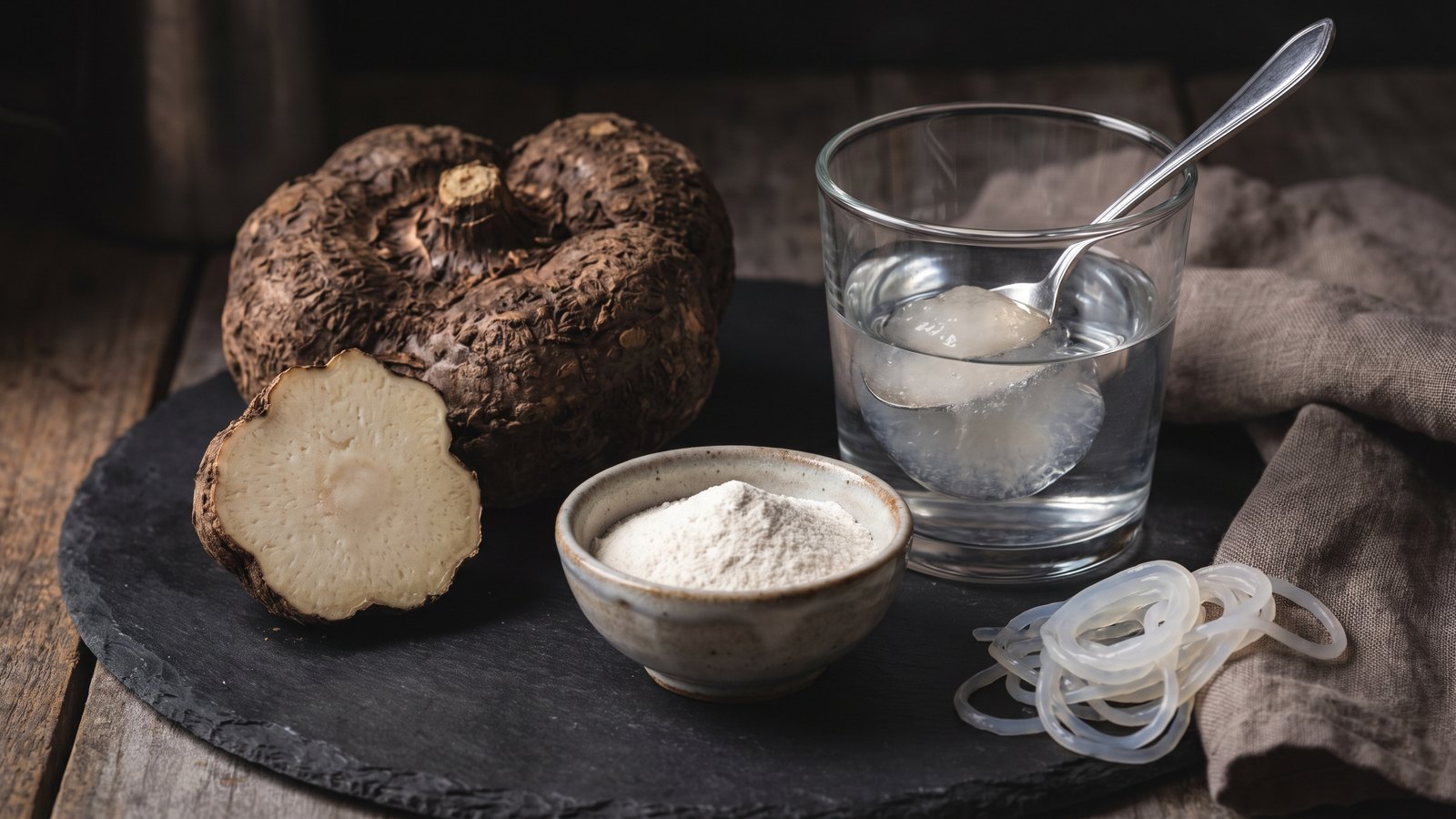
The Science of Glucomannan: What Konjac Fiber Really Does for Hunger
Glucomannan is the fiber behind half the 'feel full, eat less' supplements and those squeaky zero-calorie noodles. Here's what the human trials actually show, where the hype outruns the data, and the one safety rule you can't skip.
Jul 8, 2026 -
 GLP-1 Science
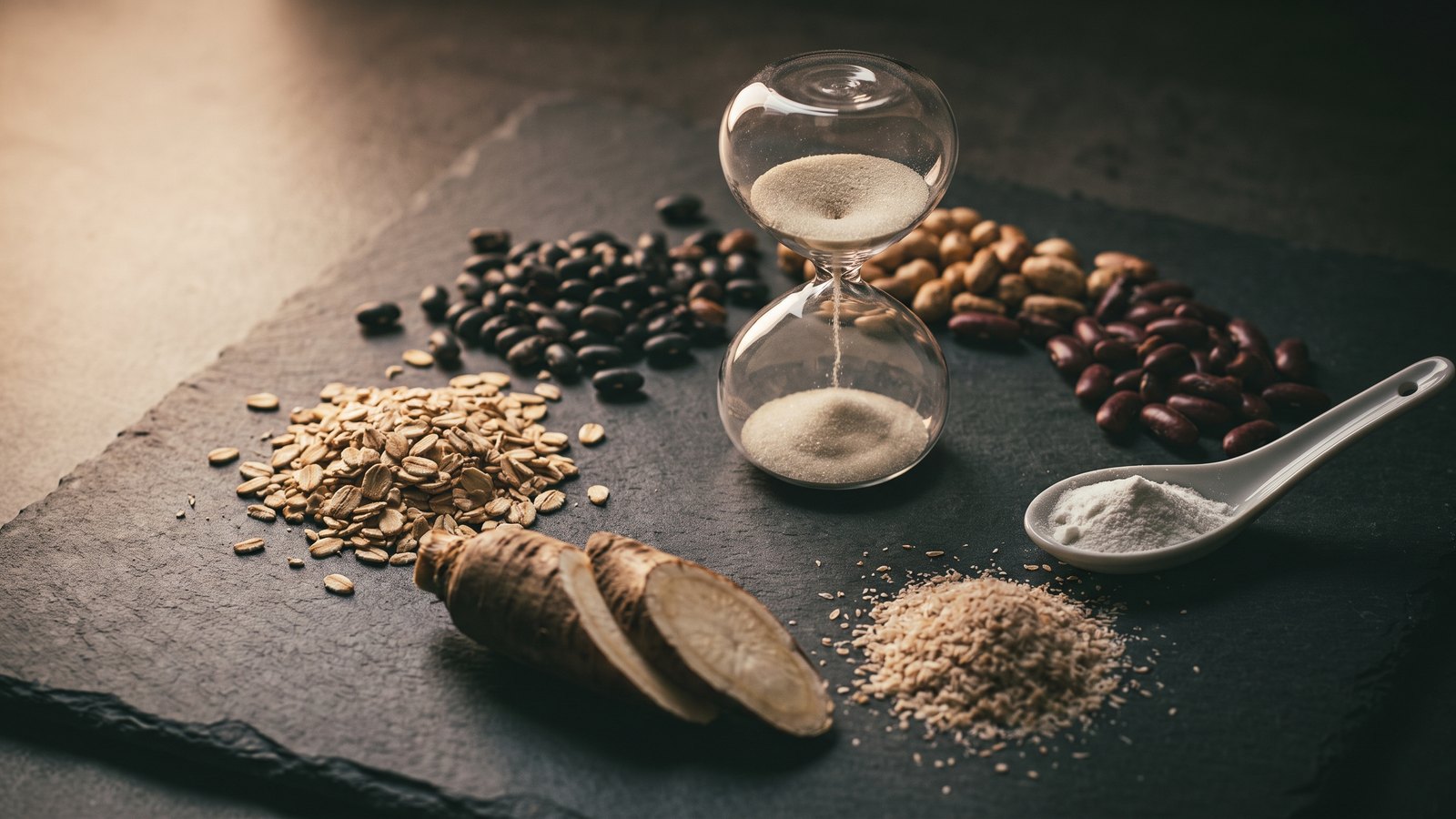
Is a 'Natural GLP-1 Booster' a Real Thing? Native GLP-1 vs. the Drugs
Your own GLP-1 lasts about 2 minutes before your body chops it up. The injectable drugs are engineered to last a week. Here's the honest read on what 'boosting your own GLP-1' can and can't do about that gap.
Jul 7, 2026 -
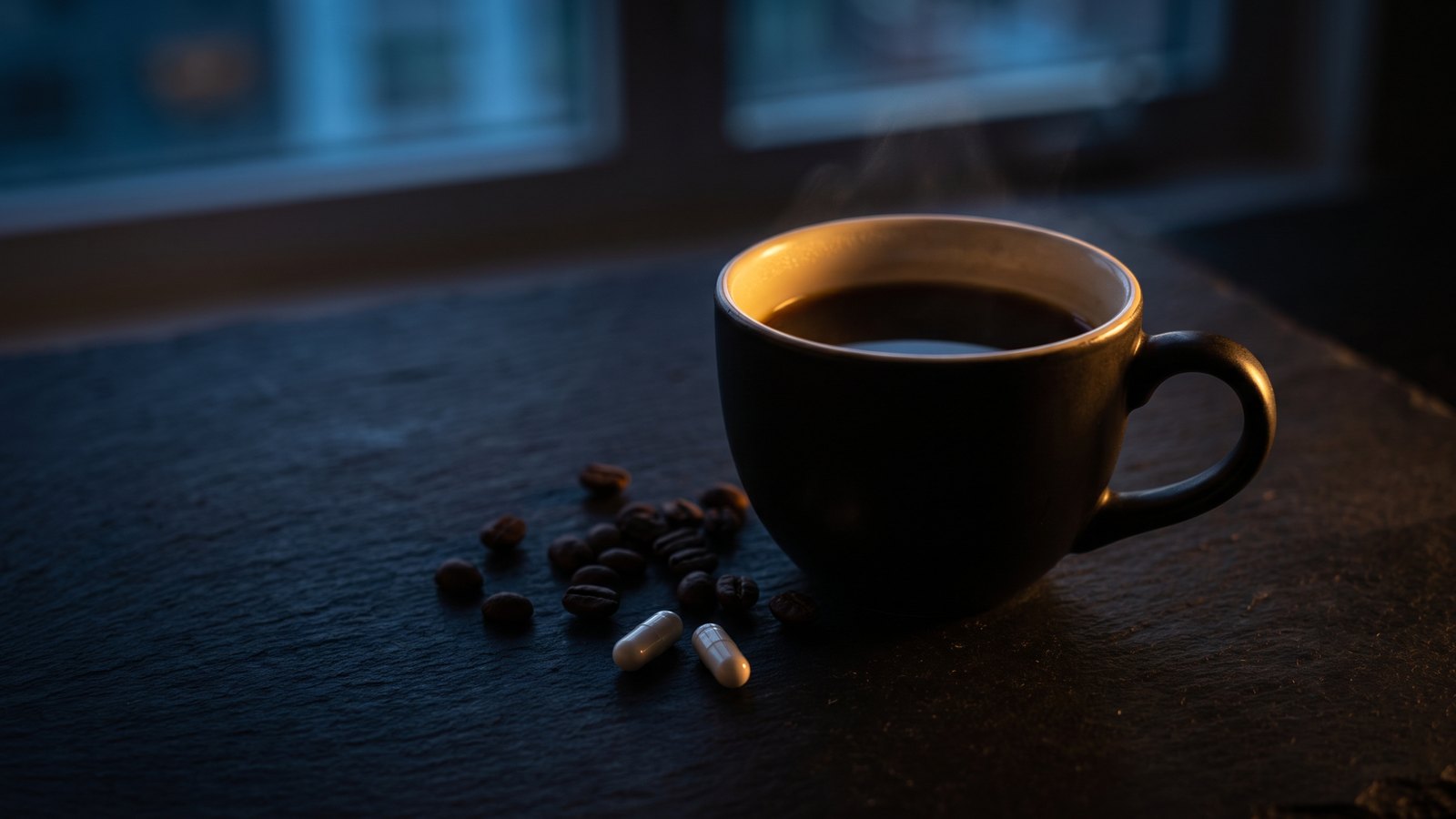 Craving Toolkit
Caffeine for Craving Control: The Cheapest Tool, and Its Hidden Costs
Caffeine is the appetite suppressant you already own. It can take the edge off daytime hunger for pennies, but its effect on sleep makes it the wrong tool for the late-night cravings that trip most people up. Here's the evidence, and the timing that matters.
Jul 6, 2026 -
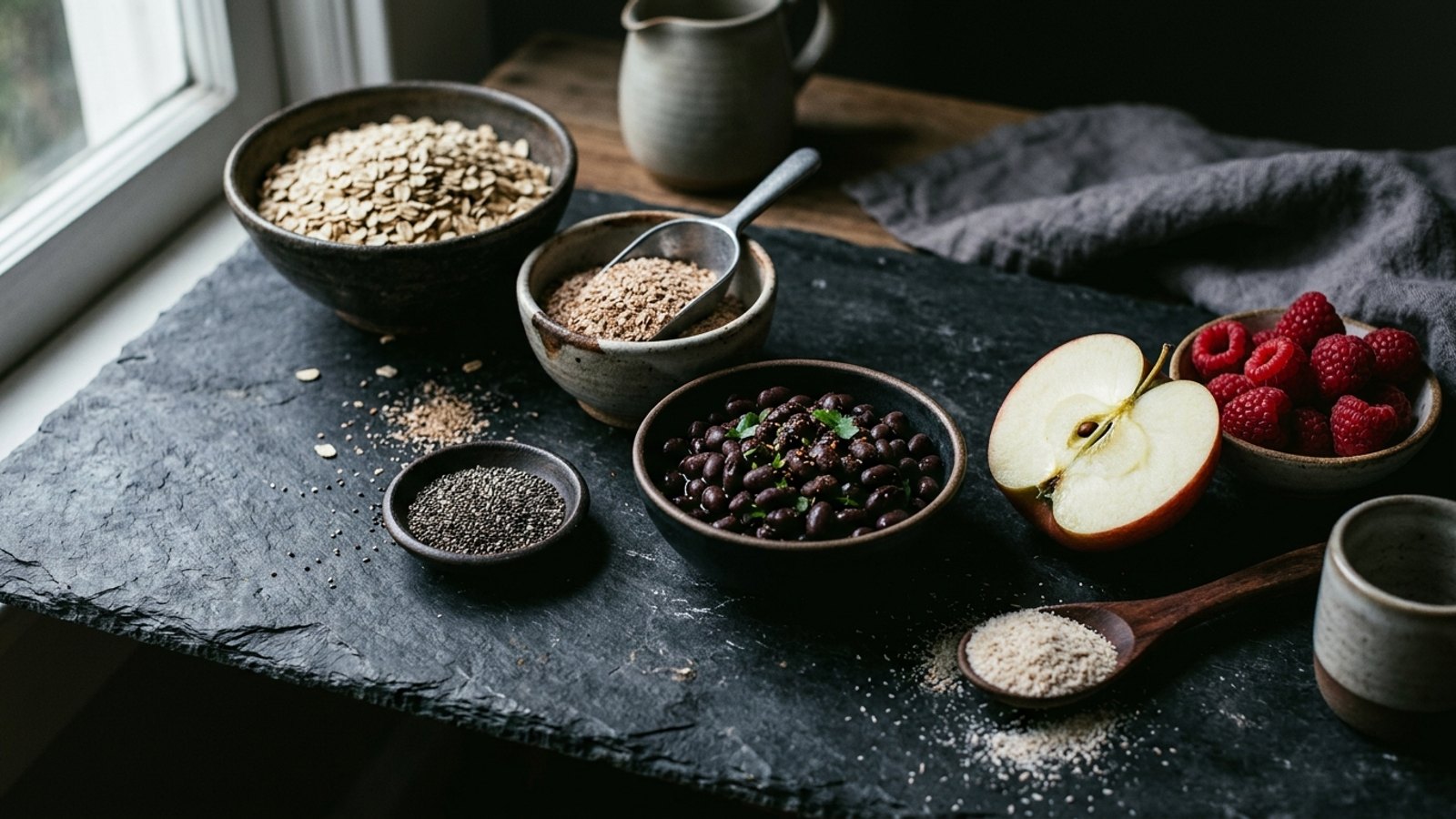 Nutrition Trends
Is Fiber the Next Protein? The Hype vs. the Reality
Fiber is having a protein moment: front-of-box claims, fiber water, TikTok trends. Some of it is riding real science, a lot of it is borrowed hype. Here's how to tell them apart.
Jul 4, 2026 -
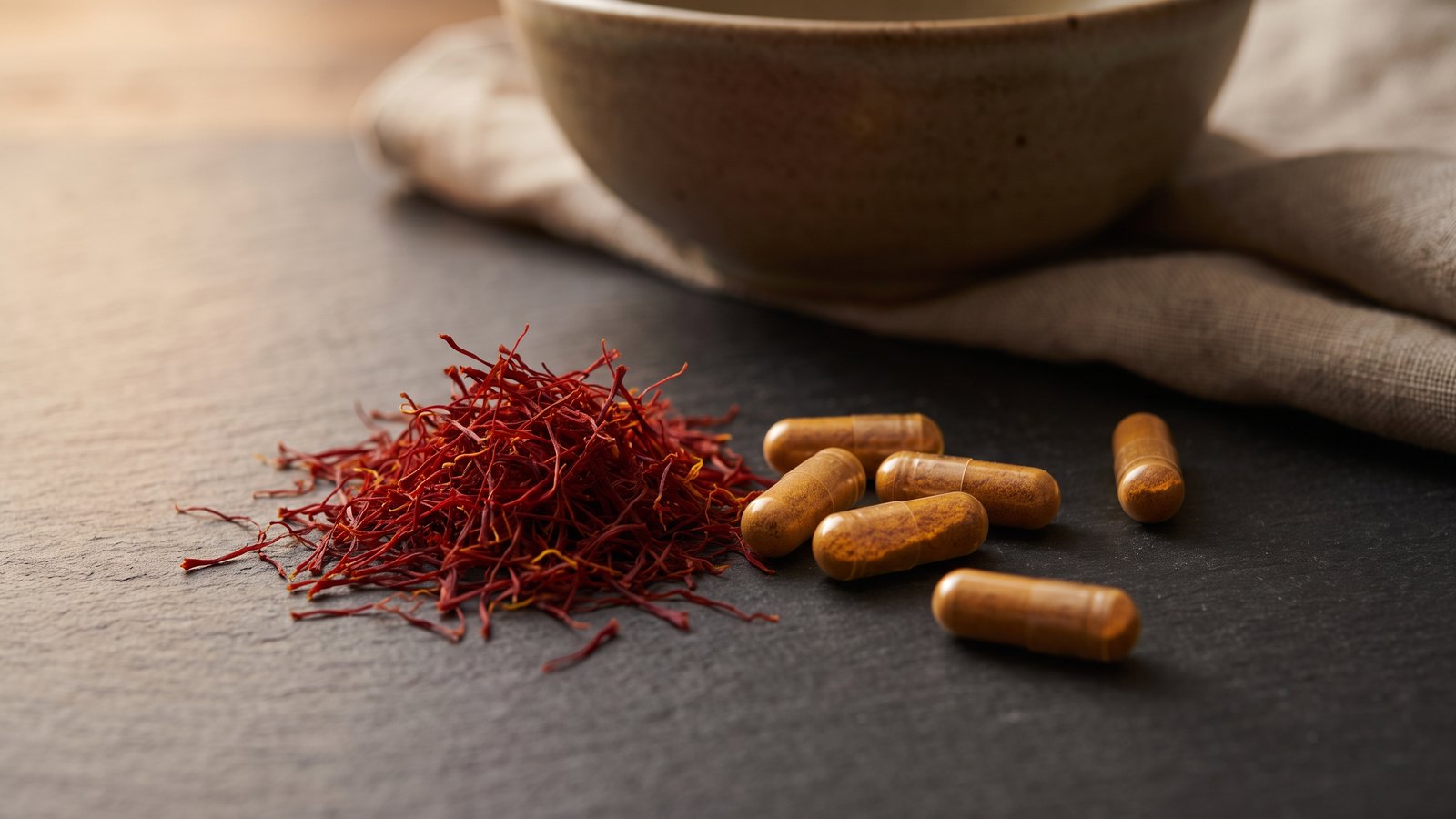 Supplement Safety
5-HTP and Saffron for Cravings: The Serotonin Risk If You're on an SSRI
Two of the trendiest "natural" appetite ingredients both nudge serotonin. If you take an SSRI or SNRI, that overlap is worth understanding before you add either one.
Jul 2, 2026 -
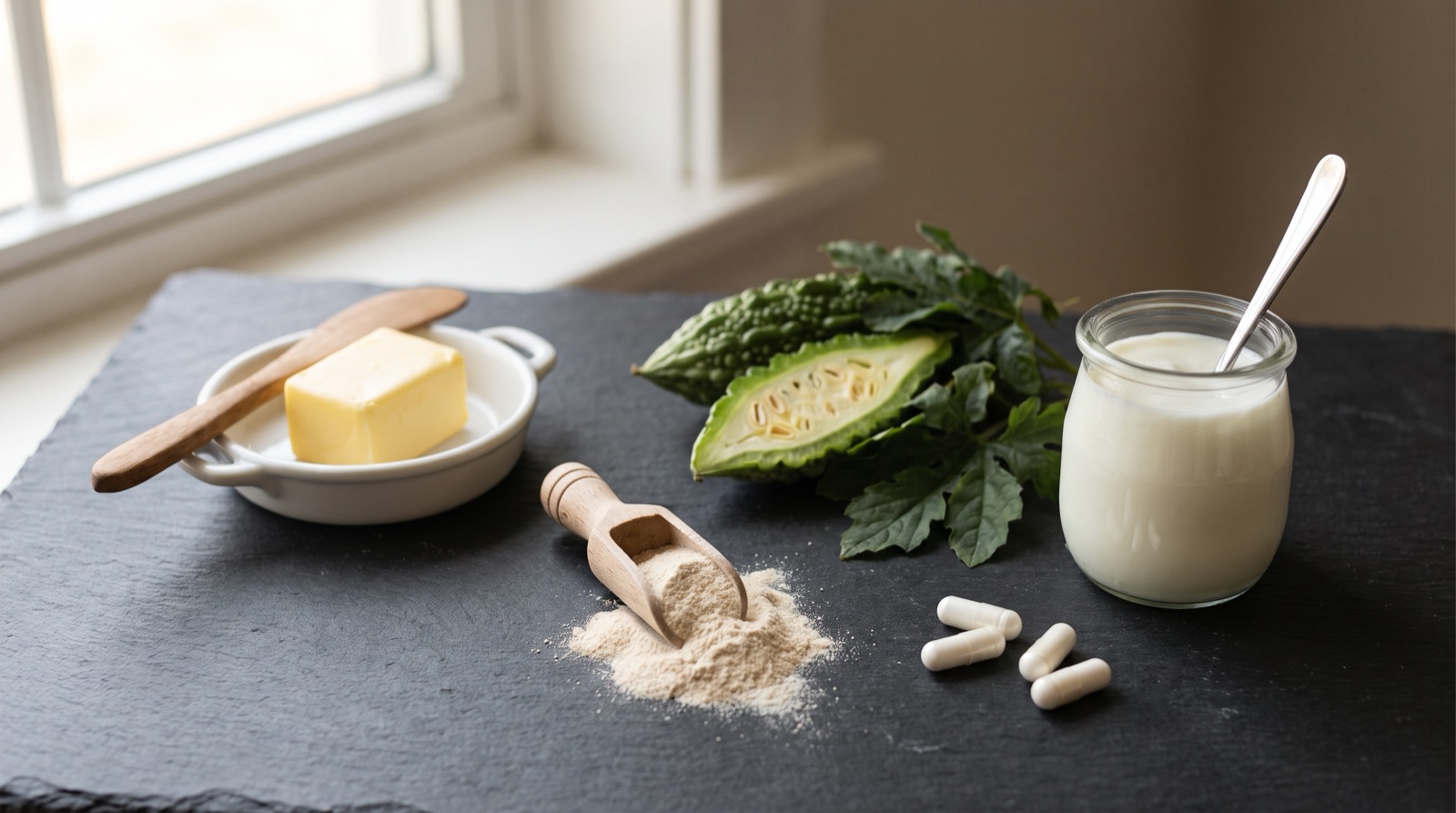
Do "Natural GLP-1" Supplements Actually Work?
What "natural GLP-1" supplements really are, how the main ingredients (butyrate, prebiotic fiber, bitter compounds, probiotics) claim to work, and how to read the evidence.
Jun 30, 2026 -
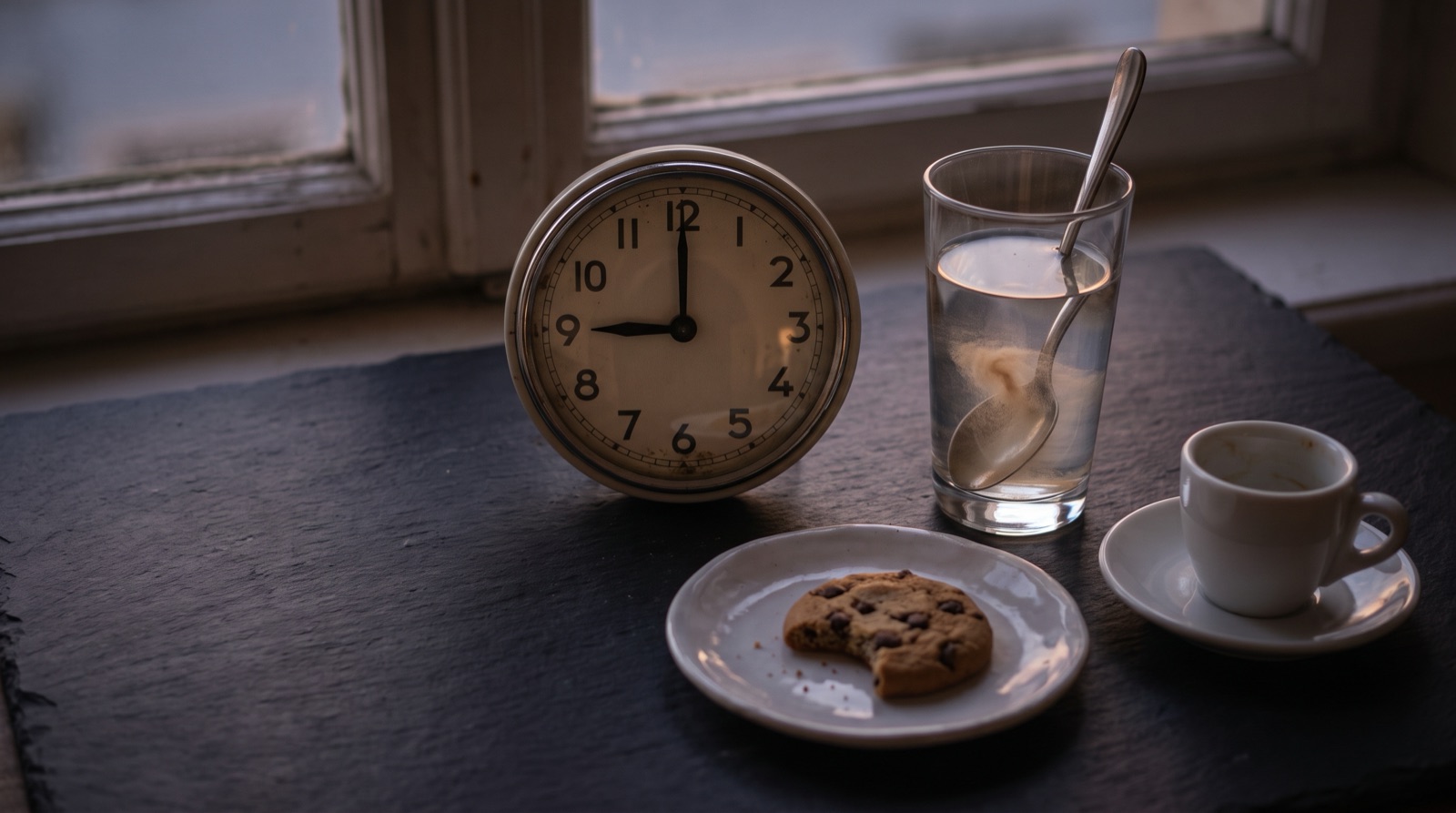
When to Take a Craving Supplement — and Why Caffeine Fails After Dinner
Most snacking happens in the evening, which is exactly when caffeine-based suppressants stop being an option. Here is how timing should drive your pick.
Jun 30, 2026 -
Cheap vs. Capable: How We Rate Value in Craving Supplements
Our Value Index explained — efficacy per dollar, why "best value" is not "best product," and the Metamucil-vs-Ozzi worked example.
Jun 30, 2026 -
 Snack Science
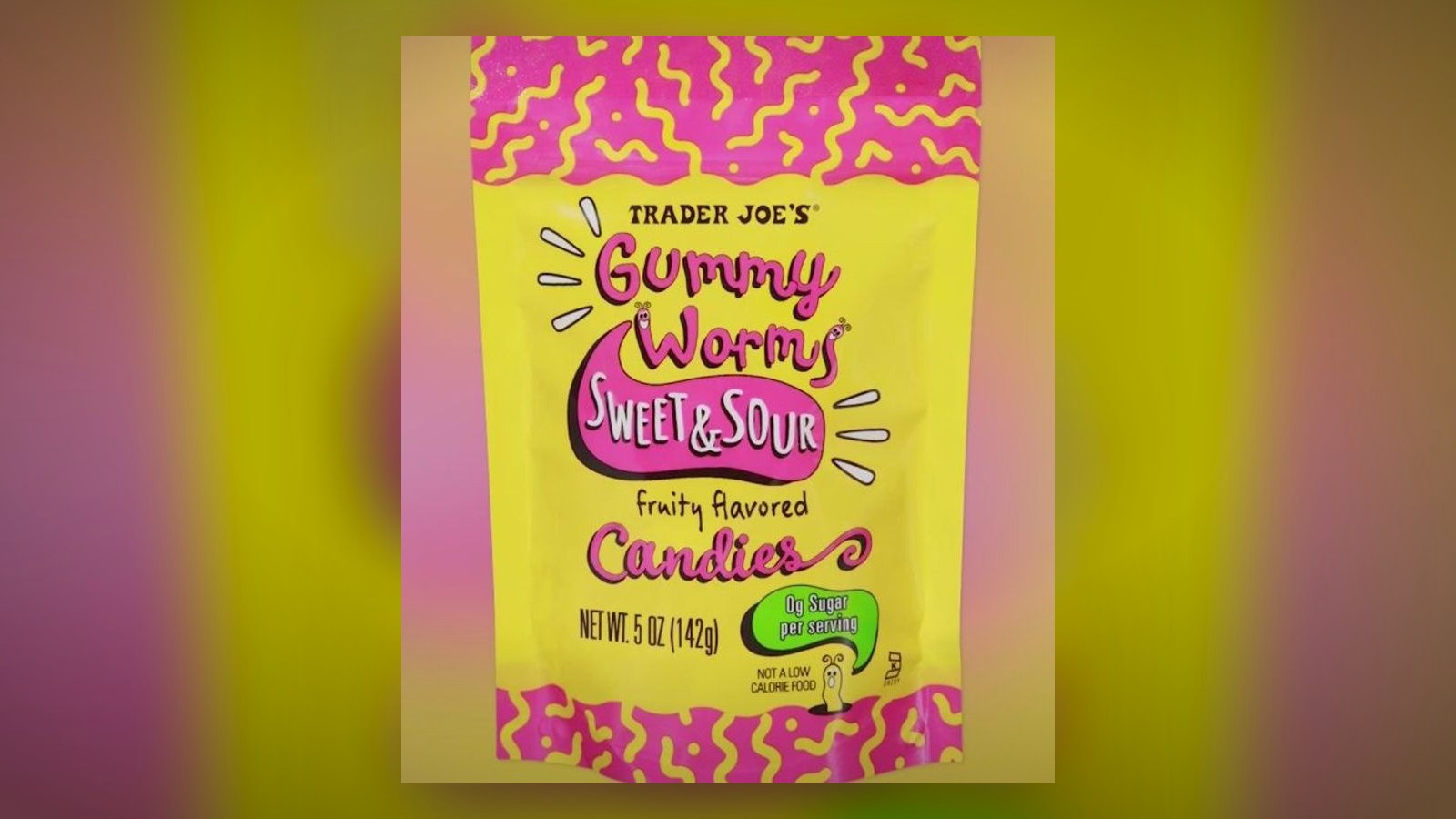
The Low-Sugar Candy Trap: Why ‘Healthier’ High-Fiber Gummies Are Wrecking Stomachs
Trader Joe’s sugar-free gummies sent shoppers running to the bathroom. The real reason isn’t the sweetener — it’s a big hit of fiber, plus sugar alcohols like erythritol. Here’s what’s going on, in plain English.
Jun 30, 2026