Do "Natural GLP-1" Supplements Actually Work?
What "natural GLP-1" supplements really are, how the main ingredients (butyrate, prebiotic fiber, bitter compounds, probiotics) claim to work, and how to read the evidence.
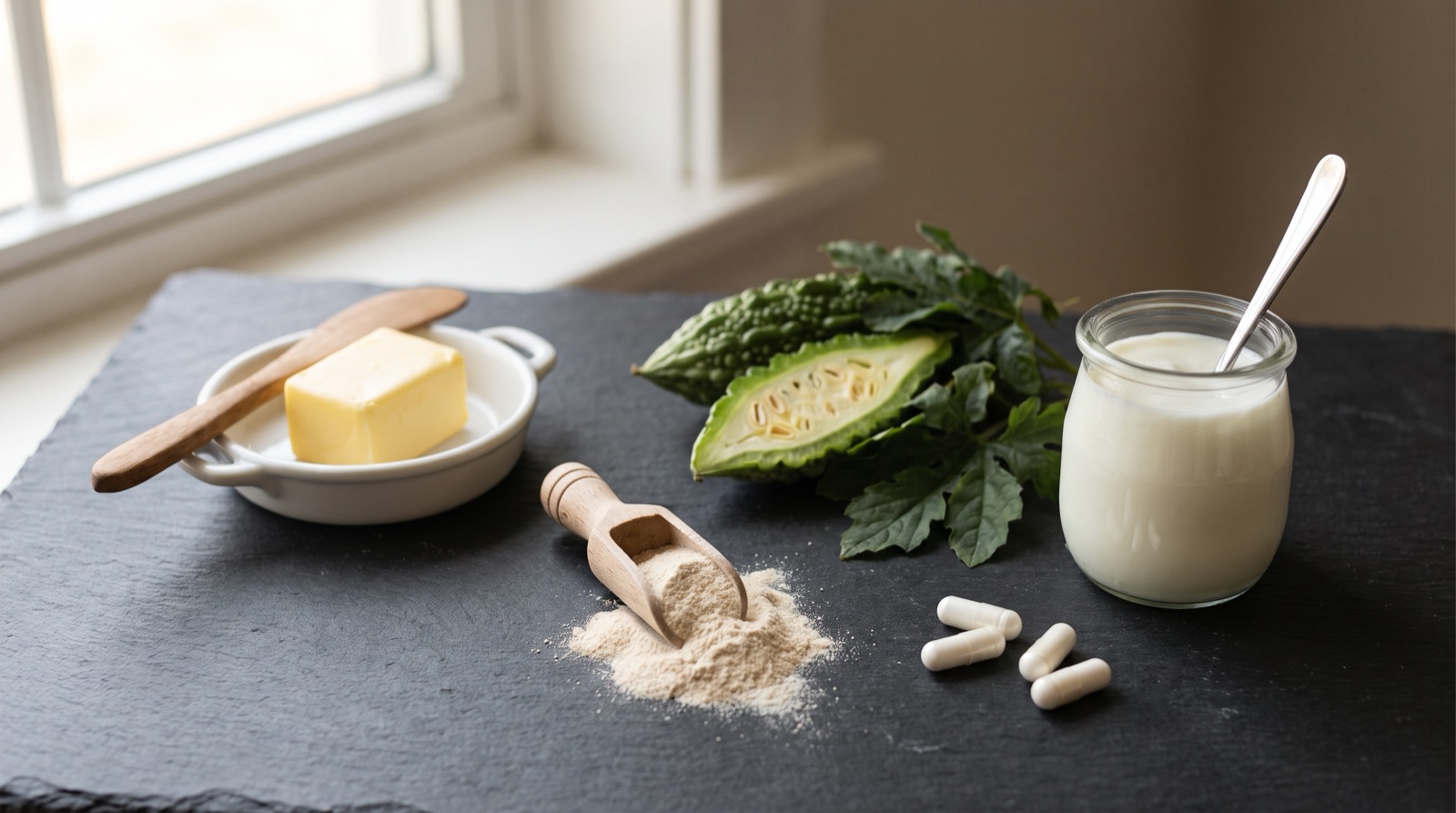
"Natural GLP-1" is the supplement phrase of the moment. Walk through any wellness aisle and you'll see it on capsules, powders, and drink mixes, usually next to a picture of an injection pen with a red slash through it.
So let's be precise about what these products can and can't do, because the gap between the two is where most of the marketing lives.
None of these supplements contain a GLP-1 drug. They don't inject a hormone. What the better ones try to do is nudge your own body's appetite signaling using food-derived ingredients. That's a real mechanism worth understanding. It's also a far gentler one than the prescription drugs, and honesty about that difference is the whole point of this piece.
What GLP-1 actually is, in one paragraph
GLP-1 (glucagon-like peptide-1) is a hormone your gut releases after you eat. It tells your brain you're full, slows how fast your stomach empties, and helps regulate blood sugar. The prescription drugs flood the system with a long-lasting synthetic version. Supplements take the slower road: feed the gut things that may encourage it to release more of its own GLP-1, or blunt hunger through other pathways entirely.
The phrase you want in your head is structure and function, not treatment. These are tools that may support normal appetite regulation. They are not drugs, and we'll never write about them as if they were.
The four ingredient families worth knowing
1. Butyrate and butyrate precursors
Butyrate is a short-chain fatty acid your gut bacteria make when they ferment fiber. It's a fuel source for the cells lining your colon, and there's an emerging line of research linking it to GLP-1 release.
Some formulas now include butyrate directly, or a precursor like L-Lysine Butyrate, so you're not relying entirely on your microbiome to produce it. The honest read on the evidence: the GLP-1 link is emerging, not settled. Plausible mechanism, early human and preclinical signals, not a stack of large RCTs.
One practical note. Butyrate smells like its name suggests (think parmesan that's seen better days). Branded versions try to control this, but some people are simply more sensitive to it.
2. Prebiotic fiber
This is the workhorse category. Glucomannan, inulin, psyllium, resistant dextrins. They do a few things at once: swell with water to take up space in the stomach, slow digestion, and feed the bacteria that produce short-chain fatty acids like butyrate.
Fiber has the deepest evidence base of anything in this space. Psyllium in particular has strong human data for glycemic response and regularity. The catch is dose and tolerance. High-fiber loads (6 to 7 grams or more per serving) can cause real bloating, and viscous fibers like glucomannan need plenty of water to be both effective and safe.
3. Bitter compounds
Bitter plant extracts (hops-derived Amarasate is the most studied) appear to trigger receptors in the gut that signal fullness, sometimes called the "bitter brake." There are multiple human RCTs here, which is more than most of this category can claim, though they tend to be short-term and use pre-meal dosing.
The trade-off is the routine. Bitter compounds usually want to be taken before meals, sometimes several times a day, which is a harder habit to keep than one drink or one capsule.
4. Probiotics
The idea is to seed your gut with specific strains (Akkermansia muciniphila is the headline one) that are associated with better metabolic markers. The individual strain research can be genuinely interesting.
Two honest caveats. Strain doses are often hidden inside proprietary blends, and some products need refrigeration, which quietly raises the bar on convenience.
Ingredient evidence vs finished-product evidence
This is the single most important habit to build when you read a supplement label, so we'll spend a minute on it.
An ingredient having good research behind it is not the same as the product in your hand having good research behind it.
A formula might list four ingredients, each with a respectable study. But those studies used specific doses, often higher than what's in the blend, tested in isolation, not stacked together. The finished product is rarely studied as a whole. So "clinically studied ingredients" can be technically true while telling you almost nothing about whether that exact combination at those exact doses does anything.
What we look for:
- Dose disclosure. Does the label tell you how many milligrams or grams of each active you're getting?
- Does the dose match the research? A studied ingredient at 1/10th the studied dose is mostly decoration.
- Branded, standardized actives. A named, standardized version (the kind that ran the trials) is more trustworthy than a generic extract of unknown potency.
- Honest mechanism. Is the company claiming a plausible pathway, or implying drug-like results?
How proprietary blends hide the ball
A "proprietary blend" lists several ingredients under one combined weight. You see "Fiber Blend 6g" and a list of what's in it, but not how much of each.
That combined number can be carried almost entirely by the cheapest filler ingredient, with trace amounts of the expensive active that's doing the marketing work. There's no way to tell from the label.
Sometimes there's a legitimate reason to protect a formula. But from a buyer's seat, a proprietary blend means you can't check the dose against the research, and that uncertainty has to count against the product. It's why a stimulant blend that discloses only its caffeine content, or a fiber blend that hides every gram, scores poorly with us on transparency no matter how good the ingredient list looks.
How we reached this conclusion
We score every product 1 to 5 on five axes and add them up for a composite out of 25. Three of those axes are doing the heavy lifting here.
Hunger-pathway coverage. Hunger isn't one thing. There's stomach fullness, gut hormone signaling, blood-sugar swings, the microbiome, the bitter brake. A product that addresses one pathway can work, but it's betting everything on that one lever mattering for you. A multi-pathway formula spreads the bet. We reward coverage.
Ingredient transparency and quality. If we can't see the dose, we can't judge the product, so hidden doses cost points. Full disclosure plus branded, standardized actives earns them.
Mechanism and science. We rank evidence honestly: human RCT beats emerging human data, which beats preclinical, which beats pure marketing. We don't pretend an emerging signal is a proven effect.
Put those together and you can see why multi-pathway plus disclosed dosing tends to win. A formula like Ozzi V2 covers all seven pathways with mostly disclosed, branded actives (allulose, glucomannan, a branded L-Lysine Butyrate, chicory inulin, Cluster Dextrin, African mango, chromium), which is why it tops our composite at 21 even though its individual doses are modest and the butyrate carries that smell caveat.
Meanwhile a single-pathway product with great evidence, like Metamucil's psyllium, scores well on science and value but can't score high on coverage, because it only pulls one lever. Both can be good. They're good at different things, and our ranking is built to show that rather than hide it.
The takeaway isn't "buy the highest number." It's that breadth of mechanism plus honesty about dosing is the most defensible bet when the finished-product evidence is thin across the entire category. We'd rather back a formula that covers its bases and tells you exactly what's inside than one that pins everything on a single pathway and asks you to trust a blend.
FAQ
Do natural GLP-1 supplements work like Ozempic or Wegovy?
No. They don't contain any GLP-1 drug and don't inject a hormone. At most they use food-derived ingredients to support your body's own appetite signaling, which is a far gentler and less proven effect. We only describe them in structure/function terms, never as a substitute for prescription medication.
Which ingredient in these supplements has the strongest evidence?
Fiber, and psyllium specifically, has the deepest human evidence for glycemic response and regularity. Bitter compounds like Amarasate hops also have multiple human RCTs, though short-term. Butyrate's GLP-1 link is genuinely interesting but still emerging rather than settled.
Why do proprietary blends matter so much?
A proprietary blend lists ingredients under one combined weight without telling you the dose of each. That means you can't check whether the active ingredient is present at the amount the research used, so the marketing can lean on a studied ingredient that's actually present in trace amounts. Hidden doses cost points in our scoring.
Is a single-pathway product like Metamucil a bad choice?
Not at all. It scores well on evidence and value. It just addresses one dimension of hunger, so it ranks lower on pathway coverage than a broad formula. Whether that matters depends on what you personally struggle with.
Products mentioned
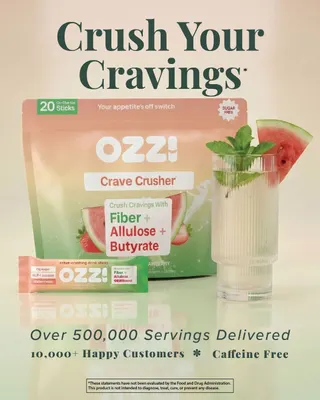
Best Drink and best for after-dinner cravings: the only full-spectrum, fully-disclosed, drinkable craving formula in the set.
Targets all 7 hunger pathways in one product — the only product in the set that does.
Some users are sensitive to the natural butyrate smell from BIOMEnd.

Lemme GLP-1 Daily (Lemme Reset)
Lemme · capsuleThe most transparent standalone GLP-1 capsule: fully-disclosed branded actives in a simple once-daily pill, though it covers fewer hunger pathways than the Ozzi capsule.
Fully disclosed, standardized branded actives (no proprietary blend).
No published trial on the finished three-ingredient combination.
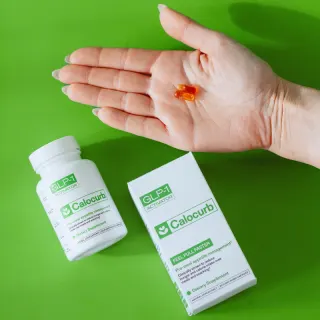
Calocurb GLP-1 Activator
Calocurb · capsuleThe best-evidenced single-mechanism appetite trigger — clinically interesting, but premium-priced and a pre-meal, short-window tool rather than all-day support.
Amarasate is one of the most directly studied appetite ingredients — multiple human RCTs, dosed on-label at 250 mg.
Acute, short-window effect: a pre-meal tool (up to 4 capsules/day), not all-day craving support.
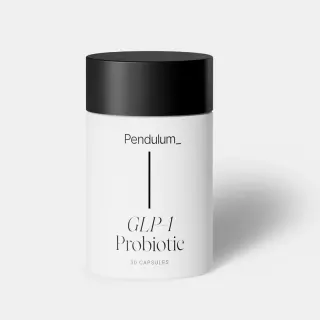
Pendulum GLP-1 Probiotic
Pendulum Therapeutics · capsuleStrong science pedigree on Akkermansia, but a proprietary CFU blend and refrigeration requirement.
Akkermansia has the strongest individual research pedigree of the probiotic actives.
Per-strain doses are hidden inside a proprietary blend.