Cheap vs. Capable: How We Rate Value in Craving Supplements
Our Value Index explained — efficacy per dollar, why "best value" is not "best product," and the Metamucil-vs-Ozzi worked example.
"Which is the best value?" sounds like a question about price. For craving supplements, it isn't. The real question is the one that actually matters when you're standing in front of the pantry at 9pm: what will actually stop the craving — for what you pay?
Those are very different questions, and conflating them leads people to buy the cheapest tub on the shelf and wonder why it didn't work.
Why cheapest isn't best value
Take the most extreme example in our data. Metamucil costs about $0.21 a serving. On pure cost-per-serving, nothing touches it. But Metamucil pulls a single lever — psyllium fiber for stomach fullness. Hunger doesn't come from one direction. It comes from blood-sugar swings, gut-hormone signaling, the microbiome, leptin, energy crashes. A single fiber can help, but you'd have to take a lot of it to dent a multi-driver craving — and gel-forming fiber bloats well before you get there.
So is a product you can't take enough of to actually crush cravings a "great value" just because it's cheap? We don't think so. A bargain on something that can't do the job isn't a bargain.
What we actually measure
Our Value Index rewards craving-crushing power per dollar, not raw cheapness:
Value Index = composite × (pathways ÷ 7) ÷ √(best cost per serving)
Three moving parts:
- Composite — the product's overall quality across our five axes (out of 25). Does it work?
- Pathways ÷ 7 — how much of the hunger spectrum it actually covers. One lever, or seven?
- √(price) — price still counts, but gently. The square root is deliberate: below a point, shaving pennies off a serving doesn't make a weak product effective, and an effective product needs fewer servings to get you there.
That last part is what people miss. A well-dosed, full-spectrum formula does the job in fewer servings, so its real cost-to-result can beat a cheaper product you'd have to pile on — or stack with three other things — to match.
The worked example: Metamucil vs Ozzi
Metamucil
Composite 17, about $0.21/serving, one pathway. Value Index ≈ 5.3 — Good. Genuinely fine value as a fiber: cheap and well-evidenced for fullness and regularity. But "Good," not "Exceptional," because one lever can't turn off cravings that come from many directions.
Ozzi V2
Composite 21, $2.25/serving on the bundle, all seven pathways, well-dosed and disclosed. Value Index ≈ 14 — Exceptional. You pay more per serving, but each serving covers the full hunger spectrum, so a few do the trick. That's the most craving-crushing power per dollar in the set.
The point
On cost-per-serving alone, Metamucil wins by 10×. On value for actually crushing cravings, Ozzi wins — because value has to account for whether the product can do the job, not just what it costs.
A few more data points
- Supergut — broad (five pathways) and affordable, Value Index ≈ 10.4 (Great). The catch sits on other axes: a proprietary fiber blend and a heavy, bloat-prone fiber load.
- The berberines and single caffeine pills — cheap, but one or two pathways, so they land Fair-to-Limited. Cheap and narrow is still narrow.
How to use it
Start with the overall ranking and the five axes to find products that fit your situation — the right pathways, a format and timing you'll stick with, tolerable side effects. Then let the Value Index tell you which of those is the smartest spend for the result you want. What you should not do is start from the cheapest sticker price and work backward; that's how people end up re-buying things that never crushed a single craving.
How we reached this conclusion
We rebuilt this metric after watching how a plain cost-per-serving version misled. A $0.21 tub of fiber looked like the runaway "best value" — technically true on price, and completely wrong on outcome. Value has to mean value for the goal.
The formula is fully transparent — composite, pathway count, and price are all on the page, so you can recompute any score yourself. And we deliberately let effectiveness dominate, because a craving supplement that doesn't crush cravings is a bad buy at any price.
FAQ
How is the Value Index calculated?
Value Index = composite score × (pathways ÷ 7) ÷ the square root of the best cost per serving. Effectiveness — overall quality and how much of the hunger spectrum a product covers — drives it, while price counts gently. Tiers run from Limited (under 3) to Exceptional (11 and up).
Why isn't the cheapest product the best value?
Because value has to account for whether the product can actually crush cravings. A single-pathway fiber like Metamucil is cheap, but you'd bloat before taking enough to handle multi-driver cravings — so it's Good value, not Exceptional. A bargain on something that can't do the job isn't really a bargain.
Why does Ozzi rate as the best value if it costs more per serving?
Because it covers all seven hunger pathways and is well-dosed, so a few servings get the result — the most craving-crushing power per dollar (Value Index ≈ 14, Exceptional). Cost-per-serving alone favors cheaper products; value for actually solving cravings favors the one that works in fewer servings.
Should I just buy the highest Value Index?
Use it second. First narrow to products that fit your needs (pathways, timing, format, tolerability) using the overall ranking and five axes. Then the Value Index tells you the smartest spend among those for the result you want.
Products mentioned
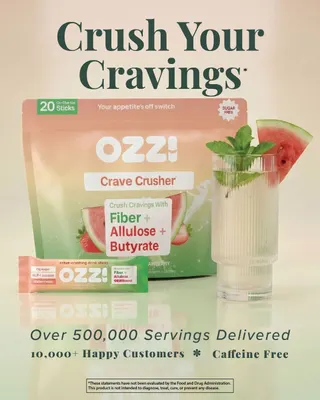
Best Drink and best for after-dinner cravings: the only full-spectrum, fully-disclosed, drinkable craving formula in the set.
Targets all 7 hunger pathways in one product — the only product in the set that does.
Some users are sensitive to the natural butyrate smell from BIOMEnd.

Lemme GLP-1 Daily (Lemme Reset)
Lemme · capsuleThe most transparent standalone GLP-1 capsule: fully-disclosed branded actives in a simple once-daily pill, though it covers fewer hunger pathways than the Ozzi capsule.
Fully disclosed, standardized branded actives (no proprietary blend).
No published trial on the finished three-ingredient combination.
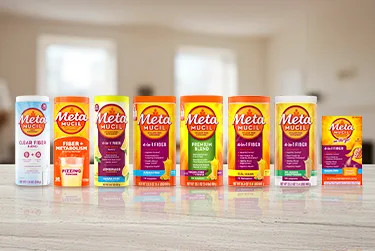
Metamucil 4-in-1 Fiber (Psyllium Husk)
Metamucil (Procter & Gamble) · powderBest Value: cheap, drinkable, and well-evidenced as a fiber — but single-pathway and a heavy gel load.
Pennies per serving — by far the cheapest in the set.
Single pathway — a fiber, not a craving formula.
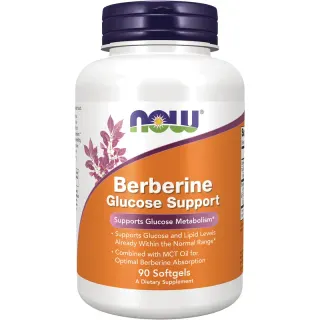
NOW Berberine Glucose Support
NOW Foods · softgelA cheap, no-frills berberine — same evidence, same berberine tolerability problem.
Inexpensive, disclosed berberine from a large reputable brand.
Berberine’s common GI side effects (cramping, diarrhea) still apply, especially across 1,200 mg/day.