Ingredient Science
The Science of African Mango (Irvingia): A Fat-Burner Built on Two Small Trials
The seed built a whole fat-burner category on two small trials from one lab. When outsiders checked, the weight loss didn't show up. The evidence, straight.
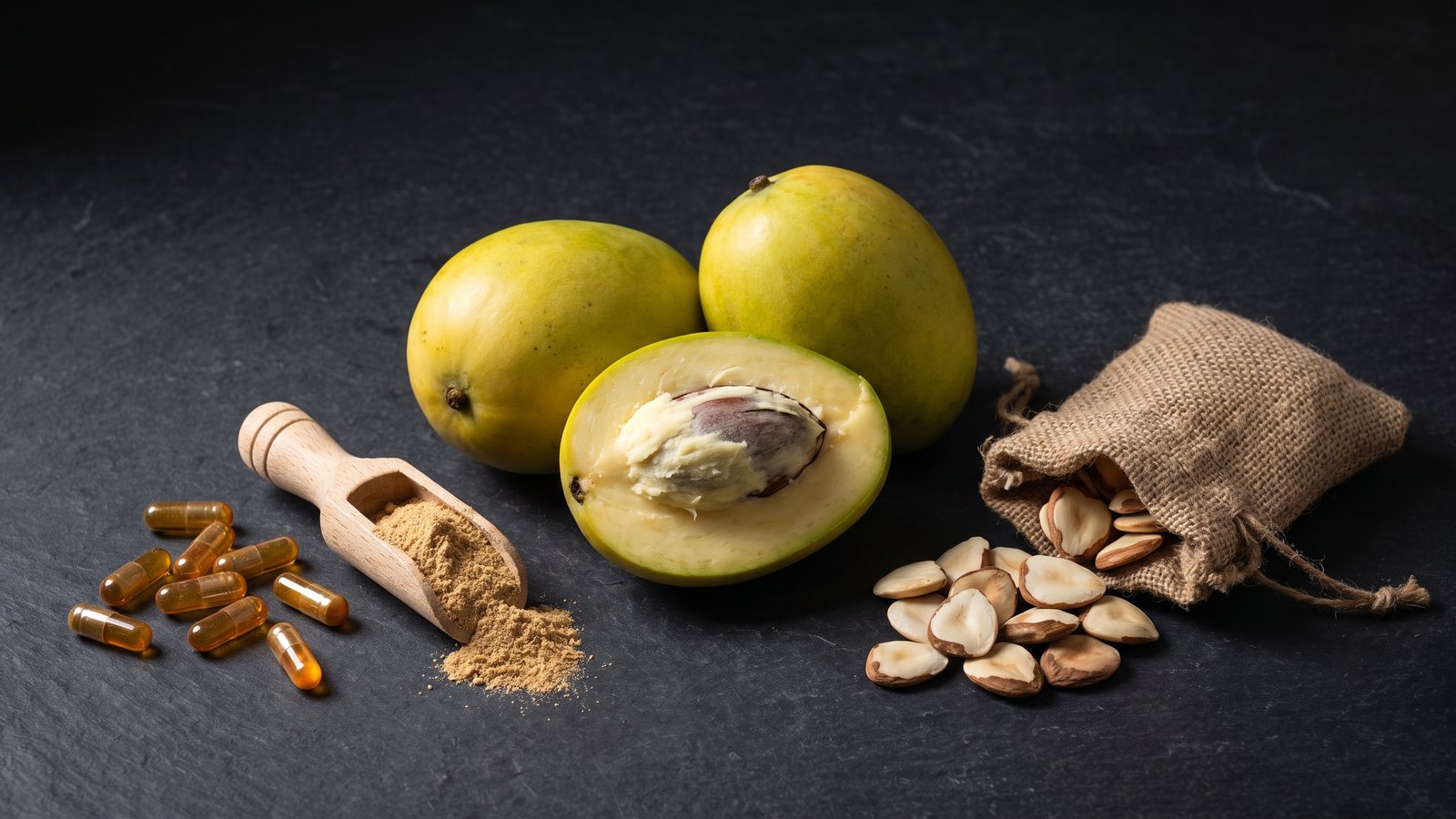
If you were anywhere near a supplement aisle around 2010, you met African mango. It was on every fat-burner label, every daytime-TV segment, every "melt fat without trying" banner ad. The pitch was simple: a seed from a West African tree that reportedly stripped off pounds and cleaned up your cholesterol at the same time.
Fifteen years later it's still on shelves, tucked into blends with names like "thermo" and "shred." So it's worth asking the plain question: does the African mango seed actually do anything, or did one small study get turned into a whole category?
What African mango actually is
The name is misleading. African mango is Irvingia gabonensis, a tree native to the forests of Cameroon, Nigeria, Gabon, and Equatorial Guinea, and it's a different plant from the sweet mango you slice over yogurt. Locally it goes by dika nut, bush mango, or ogbono.
The fruit is eaten fresh, but the part that matters here is the seed inside. Ground up, it's a traditional soup thickener across West and Central Africa (the "draw" in ogbono soup comes from its soluble fiber). According to a 2024 review in the Journal of Ethnopharmacology, the kernel has a long folk history for weight loss, and even a reputation as a blood thinner, alongside uses for the pulp, bark, and leaves (Hassan et al., 2024, DOI).
One detail the marketing skips: the raw kernel is mostly fat, roughly 63 to 69% oil by weight (Mateus-Reguengo et al., Crit Rev Food Sci Nutr, 2019, DOI). Most supplements use a defatted seed extract, standardized down to a small dose, rather than the whole ground kernel. Hold that thought, because it matters for the numbers.
Where the hype came from
Nearly every African mango claim traces back to two trials, both run by the same research group in Cameroon.
The first, in 2005, gave 40 obese adults 1.05 grams of Irvingia seed three times a day for a month. The seed group lost about 5.26% of their body weight versus 1.32% on placebo, and improved their total cholesterol, LDL, triglycerides, and HDL (Ngondi et al., Lipids Health Dis, 2005, DOI).
The second, in 2009, is the one the whole industry cites. It tested a branded defatted extract called IGOB131, 150 mg twice a day before meals, in 102 overweight volunteers for 10 weeks. On paper the results were almost too good: significant drops in body weight, body fat, and waist circumference, plus better cholesterol, blood glucose, and C-reactive protein, lower leptin, and higher adiponectin (Ngondi et al., Lipids Health Dis, 2009, DOI).
Read that list and you can see why a whole product category got built on it. A cheap seed extract that moves weight, fat, blood sugar, and two fat-signaling hormones at once basically writes its own ad copy.
Here's the catch. Both trials came from one lab. When a single group produces the entire positive record for a supplement, that's a reason to look harder, not a reason to believe it more.
What happened when outsiders checked
In 2013, a team led by researchers at the University of Exeter (including Edzard Ernst, who spent a career pressure-testing alternative remedies) pulled every randomized trial on Irvingia they could find. They came up with three. All of them reported weight and waist reductions. All of them also had flaws in how their methods were reported.
Their conclusion was blunt. Because the evidence was so thin and so poorly reported, the weight-loss effect is "unproven," and Irvingia "cannot be recommended as a weight loss aid." They also logged the reported side effects: headache and trouble sleeping (Onakpoya et al., J Diet Suppl, 2013, DOI).
That's the state of the "proof" the ads lean on. A short stack of small studies, mostly from one source, that a formal review declined to stand behind.
The independent test that fell flat
The most useful study came later, and it rarely makes the sales page.
In 2022, a group in Thailand ran a randomized, double-blind, placebo-controlled trial completely independent of the original researchers. Overweight and obese adults took 300 mg of Irvingia extract a day for 12 weeks. The team measured metabolism, body-fat indices, inflammation, adipocytokines, even telomere length and aerobic fitness.
The weight and metabolic results: nothing. No significant difference between the Irvingia group and placebo on body composition, metabolism, or inflammation. The extract did nudge two things up, plasma vitamin C and the hormone adiponectin (early on, at three weeks). Everything the ads promise, the fat loss and the metabolic overhaul, didn't show up (Nonsa-Ard et al., Nutrients, 2022, DOI).
One independent replication isn't the final word. But when a neutral team can't reproduce the headline effect, the honest read is that the original numbers were probably too rosy.
The mechanism, honestly
There are two ways African mango is supposed to work, and they sit on very different footing.
The believable one is fiber. The seed is rich in soluble fiber, the same stuff that thickens ogbono soup. Soluble fiber can slow how fast your stomach empties and take a mild edge off appetite. That's a real, ordinary mechanism, and it's the same reason any viscous fiber helps a little. We break that down in the glucomannan piece.
The flashier one is the hormone story. Test-tube work suggested IGOB131 tweaks fat-cell genes tied to PPAR-gamma, leptin, and adiponectin, which is where the "resets your fat-signaling hormones" language comes from. That's a plausible cell-level finding. It's a long way from a defatted seed extract reliably reshaping those hormones in a living person, and the independent human data above didn't back it up.
If you've seen African mango sold as a "natural GLP-1" or "leptin reset," treat it the way we'd treat any of these claims. We got into why "natural GLP-1 booster" is a loaded phrase here.
The dose shell game
Notice the doses. The 2005 trial used a full gram of seed, three times a day, real fiber in real amounts. The famous 2009 trial used 150 mg of a concentrated extract. The independent 2022 trial used 300 mg.
When you buy "African mango" today, you might get any of these, or a pinch of extract buried in a proprietary blend next to caffeine and a dozen other actives. "Contains African mango" on a label tells you almost nothing about whether it matches the dose or the form that was actually studied.
Safety and the sensible move
As a food, dika nut has been eaten for generations, and the 2024 review reported that toxicity studies found the extract relatively safe at the doses used (Hassan et al., 2024, DOI). The trials flagged mild issues like headache and sleep trouble.
Two practical cautions. That folk reputation as a blood thinner means if you're on anticoagulants, ask your doctor before adding a concentrated extract. And a stimulant-loaded "African mango" fat burner carries all the usual caffeine baggage regardless of what the seed itself does.
The honest verdict
African mango is a genuine traditional food with a genuinely thin case as a weight-loss pill. The exciting numbers come from a couple of small trials out of one lab. A formal review wouldn't endorse them, and the one clean independent replication came up empty on the part that matters.
The soluble fiber can offer a small, honest assist with fullness, the same as other soluble fibers. The idea that a 150 mg seed extract melts fat or overhauls your hormones is running well ahead of the evidence.
If you want to see how the weight and metabolism products on the market actually stack up, we line them up in the metabolism and weight breakdown, and our scoring methodology lays out how we weigh dose, evidence quality, and hype. A good soup thickener with a marketing budget it never quite earned.
References
Based on articles retrieved from PubMed:
- Ngondi JL, Etoundi BC, Nyangono CB, et al. IGOB131, a novel seed extract of the West African plant Irvingia gabonensis, significantly reduces body weight and improves metabolic parameters in overweight humans in a randomized double-blind placebo controlled investigation. Lipids Health Dis. 2009. PubMed · DOI
- Ngondi JL, Oben JE, Minka SR. The effect of Irvingia gabonensis seeds on body weight and blood lipids of obese subjects in Cameroon. Lipids Health Dis. 2005. PubMed · DOI
- Onakpoya I, Davies L, Posadzki P, Ernst E. The efficacy of Irvingia gabonensis supplementation in the management of overweight and obesity: a systematic review of randomized controlled trials. J Diet Suppl. 2013. PubMed · DOI
- Nonsa-Ard R, Aneknan P, Tong-Un T, et al. Effects of Irvingia gabonensis Extract on Metabolism, Antioxidants, Adipocytokines, Telomere Length, and Aerobic Capacity in Overweight/Obese Individuals. Nutrients. 2022. PubMed · DOI
- Hassan YR, El-Shiekh RA, El Hefnawy HM, Michael CG. Irvingia gabonensis baill. (African Mango): A comprehensive review of its ethnopharmacological significance. J Ethnopharmacol. 2024. PubMed · DOI
- Mateus-Reguengo L, Barbosa-Pereira L, Rembangouet W, et al. Food applications of Irvingia gabonensis (Aubry-Lecomte ex. O'Rorke) Baill., the 'bush mango': A review. Crit Rev Food Sci Nutr. 2019. PubMed · DOI
FAQ
Does African mango actually help you lose weight?
The honest answer is that the evidence is weak. Two small trials from a single lab in Cameroon (2005 and 2009) reported real weight loss and better cholesterol, and those studies powered the whole supplement category. But a 2013 systematic review found all the trials were poorly reported and concluded the weight-loss effect is unproven, and a 2022 independent trial in Thailand found no difference in weight or metabolism versus placebo. Any benefit is more likely a modest soluble-fiber effect than the dramatic fat loss the ads promise.
Is African mango the same as a regular mango?
No. Despite the name, African mango is Irvingia gabonensis, a separate West African tree also called dika nut, bush mango, or ogbono. The supplement is made from the seed inside the fruit, not the sweet flesh. Ground dika seed is a traditional soup thickener because it's rich in soluble fiber, and that fiber is the most believable reason it might take a small edge off appetite.
What dose of African mango was used in the studies?
It varied a lot, which is part of the problem. The 2005 trial used 1.05 grams of seed three times a day (gram-scale fiber). The famous 2009 trial used only 150 mg of a concentrated extract called IGOB131 twice daily. The independent 2022 trial used 300 mg a day. Many products on the shelf use a small amount of extract inside a proprietary blend, so 'contains African mango' on a label doesn't tell you whether it matches any studied dose.
Is African mango safe to take?
As a food, the seed has been eaten for generations, and a 2024 review reported that toxicity studies found the extract relatively safe at the doses used. Trials noted mild side effects like headache and trouble sleeping. Two cautions: it has a folk reputation as a blood thinner, so check with your doctor if you're on anticoagulants, and many 'African mango' fat burners are loaded with caffeine, which brings its own downsides regardless of what the seed does.
Products mentioned
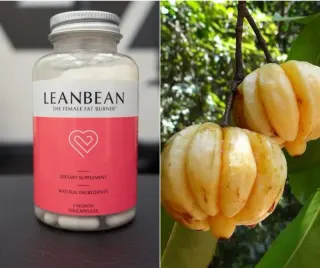
Leanbean
Ultimate Life Ltd · capsuleA maximal glucomannan dose — which is also its risk: top-of-range fiber means you must take it carefully with plenty of water.
Glucomannan dosed at the full 3 g/day EFSA satiety level, fully disclosed.
At 3 g/day, glucomannan sits at the very top of the studied range — large glucomannan doses carry a documented risk of throat, esophageal, or GI blockage if not taken with enough water.
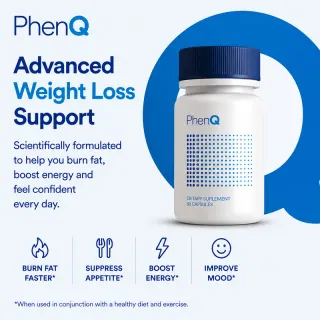
PhenQ
Wolfson Brands · capsuleBest for Daytime Energy: a caffeinated daytime option for some — but useless for after-dinner cravings, and it hides its doses.
Caffeine provides a genuine daytime energy and appetite-blunting kick.
Key actives are hidden in proprietary blends (a-Lacys Reset, Capsimax).
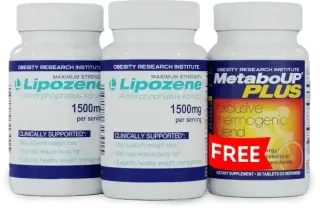
Lipozene
Obesity Research Institute · capsuleCheap single-ingredient glucomannan — fine as a fiber, but it does only one thing.
Single, disclosed ingredient.
One pathway only (fiber satiety).