Head to Head
Calocurb vs PhenQ: One Hides Its Doses, the Other’s Best Study Used Double the Serving
A 17% drop in calories at one meal, an independent trial that found nothing, and a $4-a-day price the label never mentions.
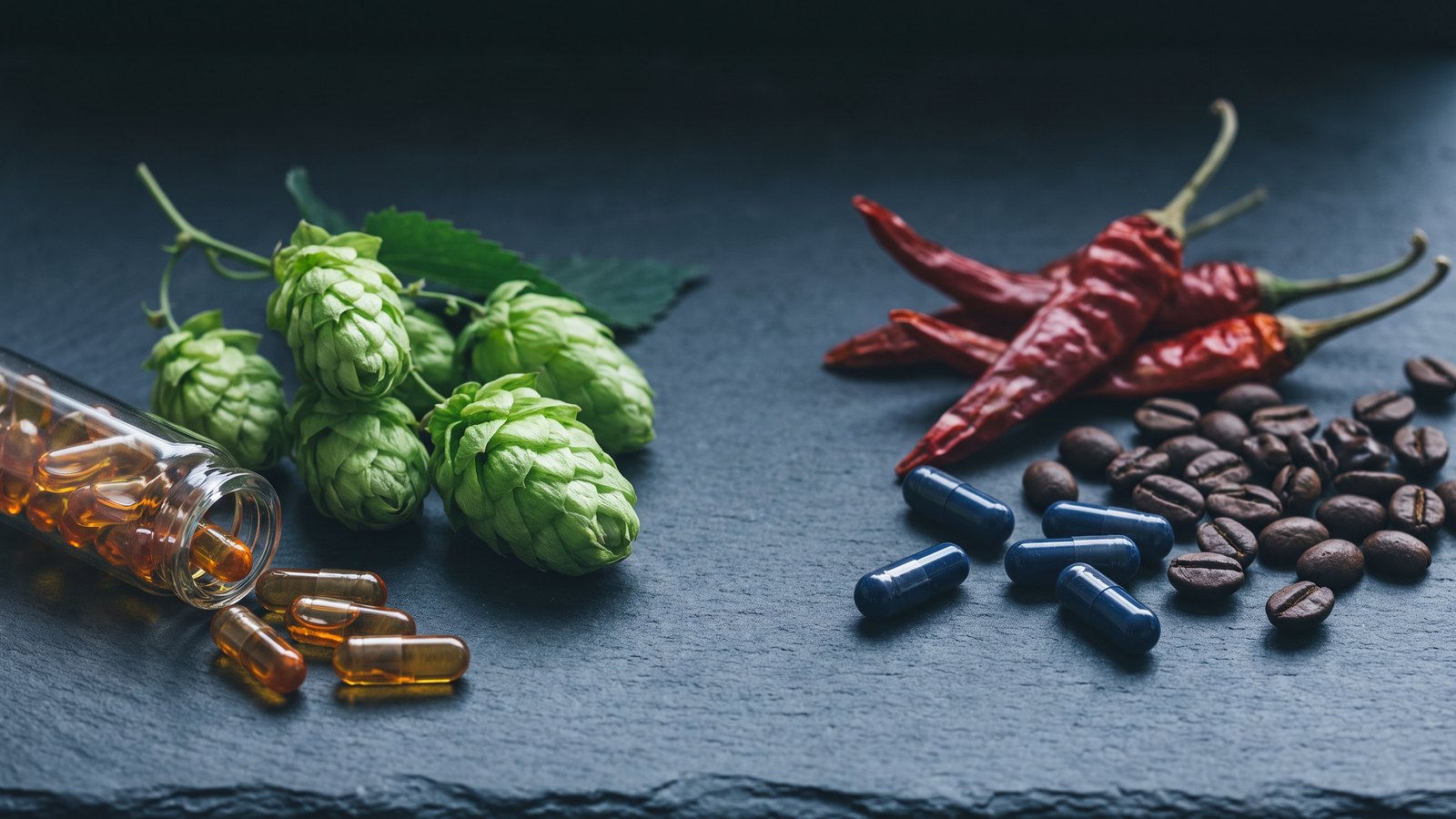
Calocurb and PhenQ both sell you a capsule you take before you eat. That is where the similarity stops.
One is a single patented botanical with an unusual amount of published human appetite research behind it. The other is a multi-ingredient formula whose maker doesn't publish how much of anything is inside.
What makes the comparison worth doing is that both products have a dose problem, and the two problems point in opposite directions. PhenQ won't show you its numbers. Calocurb shows you its number, and the study everyone quotes used twice it.
What is actually in each bottle
Calocurb
One active, disclosed cleanly: 250 mg of Amarasate, a bitter New Zealand hops flower extract, per 2-capsule serving, in a delayed-release capsule, plus rosemary leaf extract at an undisclosed amount. 90 capsules for $89.99, or $76.49 on subscription. Thirty-day money-back guarantee on first orders.
The label routine matters here and gets glossed over in most reviews. You ramp over 5 days, and the full protocol is two capsules twice daily, up to four a day, taken an hour before meals on an empty stomach. At four capsules a day, a 90-capsule bottle is 22 or 23 days, not a month.
PhenQ
Two capsules a day, one with breakfast and one with lunch. 60 capsules for $69.99, a 60-day money-back guarantee (the brand's terms subtract a 5% handling fee), and an ingredient list that reads long: a-Lacys Reset (alpha-lipoic acid, cysteine, magnesium), Capsimax, chromium picolinate, caffeine, nopal cactus, L-carnitine, InnoSlim, B-vitamins, iodine.
We went looking for the amounts on the brand's own site and could not find them. There is a label image, but no readable per-ingredient milligram breakdown published alongside it.
Independent reviewers who have photographed the panel report roughly 75 mg of caffeine, 50 mg of Capsimax, 20 mg of nopal cactus, and 20 mcg of chromium per capsule. We're passing those along as third-party figures, not verified ones, because the brand hasn't put them where a buyer can check them.
That single fact does most of the work in this comparison. You can argue about whether an ingredient is worth taking. You can't argue about a number nobody will show you.
Calocurb's evidence is real, and it is narrower than the marketing
Amarasate has something almost nothing else in this aisle has: randomized, double-blind human trials measuring appetite as the actual outcome.
In a 2019 crossover trial, 30 men fasted for 24 hours on water three separate times, taking placebo, 100 mg, or 250 mg of Amarasate twice during the fast. Both doses cut hunger ratings by more than 10% over the final 6 hours, and the lunchtime hunger spike the placebo group reported simply didn't appear in either treatment group (Walker et al., Nutrients 2019).
A 2024 trial repeated the design in 30 women at 125 mg and 250 mg and found significantly lower appetite and lower food cravings versus placebo. Side effects were mild but not zero: two women on the high dose reported loose stools, one reported heartburn (Walker et al., Obesity Pillars 2024).
That is a genuinely good showing. It is also worth naming what those studies measured: hunger during a 24-hour water fast. Not weight. Not body composition. Not what you eat across a normal week.
The calorie number, and where it came from
The number that sells Calocurb is the one from the 2022 trial in the American Journal of Clinical Nutrition. Nineteen healthy-weight men, three arms, ad libitum lunch and afternoon snack. Placebo intake was 5,383 kJ. Hop extract came in at 4,473 kJ (gastric) and 4,439 kJ (duodenal), a reduction of roughly 17%, or about 215 calories at those two eating occasions (Walker et al., AJCN 2022).
Both treatments raised postprandial cholecystokinin, GLP-1, and peptide YY, which is the mechanism story in one line: bitter compounds reaching the gut appear to nudge the same hormones that tell you a meal has arrived.
Three things in that paper deserve more attention than they get.
The dose was 500 mg. That's double Calocurb's 250 mg serving. It matches the brand's full four-capsule daily protocol, not a single serving before a meal.
Nobody reported feeling less hungry. The authors state plainly that no significant treatment effects showed up on any subjective measure of appetite. Participants ate about 900 kJ less and didn't describe the experience as being full. Pre-lunch ghrelin, the hunger hormone, actually went up on treatment.
It came with symptoms. Both routes produced small but significant increases in nausea, bloating, and abdominal discomfort, with adverse GI symptoms rated mild to severe in the gastric arm. Bitter compounds hitting your gut are doing something to your gut.
The trial that isn't in anyone's marketing
In 2023, a group led out of the University of Adelaide ran the harder version of the test. They infused bitter hop extract directly into the duodenum at 100 mg and 250 mg, or into the stomach at 250 mg, in healthy-weight men, then measured pressures, hormones, appetite, symptoms, and energy intake from a buffet meal.
The 250 mg duodenal dose produced modest, transient increases in pyloric pressure and peptide YY. That's it. No effect on cholecystokinin, no effect on appetite, no effect on energy intake. Their conclusion, verbatim in the abstract: at none of the doses or routes tested did the extract have appetite- or energy-intake-suppressant effects (Bitarafan et al., Appetite 2023).
Put the two papers side by side and a pattern shows up. At 500 mg, people ate 17% less. At 250 mg and 100 mg, delivered straight to the gut, nothing measurable happened to intake.
You can read that as dose dependence, which is the charitable and probably correct reading. But then the honest version of Calocurb's claim is that it works at the full four-capsule protocol, which is $4.00 a day at list price, and not necessarily at the 250 mg serving that the price-per-serving math is built on.
Worth noting for balance: most of the favorable Amarasate research comes from the New Zealand institute that developed the ingredient. The null trial was led by an independent university group. Neither fact settles anything on its own, and both belong in the sentence.
PhenQ: the ingredients are plausible, the amounts are unknowable
Take the third-party numbers at face value for a moment and see how far they get.
Capsaicinoids. A meta-analysis of 8 trials found that capsaicinoids taken before a meal cut ad libitum intake at that meal by 310 kJ, about 74 calories, and set a minimum effective dose of 2 mg of capsaicinoids (Whiting et al., Appetite 2014). Capsimax is standardized to roughly 2% capsaicinoids, so 50 mg per capsule works out to about 1 mg. Two capsules a day gets you to the 2 mg threshold in total, but the trials dosed before a single meal, and PhenQ splits its two capsules across breakfast and lunch. Per meal you'd be at half the studied floor. Every number in that paragraph except the meta-analysis is unverified, which is precisely the problem.
Alpha-lipoic acid. The evidence here is real and small. A 2025 dose-response meta-analysis of 63 randomized trials found ALA supplementation lowered body weight by 0.64 kg, BMI by 0.27, waist circumference by 1.10 cm, and fasting glucose by 5.28 mg/dL (Mohammadi et al., Nutr Metab Cardiovasc Dis 2025). An earlier meta-analysis of 10 placebo-controlled trials put the weight difference at 1.27 kg (Kucukgoncu et al., Obesity Reviews 2017).
Then there's the awkward one. A 2025 meta-analysis restricted to overweight and obese adults, the exact population PhenQ markets to, pooled 11 trials and 704 people and found no significant effect of ALA on triglycerides, total cholesterol, HDL, LDL, insulin resistance, or fasting glucose (Luo et al., BMJ Open 2025). The authors called for higher doses and longer interventions.
Higher doses. And PhenQ won't tell you what dose you're getting.
Nopal cactus. Fiber works on satiety by bulk and viscosity, which is a grams-scale mechanism. Twenty milligrams isn't a fiber dose, it's a label ingredient. If fullness from fiber is what you're after, see the glucomannan evidence or psyllium, where the studied amounts are printed in grams.
The caffeine tax
PhenQ's most reliable active is the one it shares with a cup of coffee.
Caffeine's appetite evidence is weaker than the fat-burner category implies. In a double-blind crossover study of 50 adults, 1 mg/kg of caffeine lowered breakfast intake by about 10% in the lab. Three mg/kg did not. Neither dose changed appetite ratings, and neither changed what participants ate for the rest of the day. The authors' conclusion was that caffeine has weak, transient effects on intake and doesn't work as an appetite suppressant (Panek-Shirley et al., J Acad Nutr Diet 2018).
The bigger cost is the clock. A meta-analysis of 24 studies found caffeine cuts total sleep time by 45 minutes, drops sleep efficiency by 7%, and shaves 11.4 minutes off deep sleep. The authors converted that into a practical rule: a 250 mL coffee at 107 mg should be finished at least 8.8 hours before bed, and a 217.5 mg pre-workout serving at least 13.2 hours before (Gardiner et al., Sleep Medicine Reviews 2023).
Credit where it's due: PhenQ's advice not to dose after 3 p.m. is roughly consistent with that math for a 75 mg capsule. The brand is being sensible.
The consequence is still a hard limit. A product you must stop taking mid-afternoon is structurally unable to help with the craving window most people actually struggle with, which is after dinner. We went through that trade-off in detail in caffeine for craving control.
Calocurb has no caffeine and can be taken before dinner. On timing alone, that's not close.
What each one really costs
Per-serving prices flatter Calocurb and per-bottle prices flatter PhenQ, so here is the number that matters: cost per day at the label's own instructions.
PhenQ: 2 capsules a day, 60 per bottle, $69.99. That's 30 days and about $2.33 a day. The 60-day guarantee is genuinely long, minus the handling fee.
Calocurb at the full protocol: 4 capsules a day, 90 per bottle, $89.99. That's 22 or 23 days and about $4.00 a day, or $3.40 on subscription. Two servings a day is also the only version of the dose that gets you near the 500 mg used in the energy-intake trial.
Calocurb at one serving before your worst meal: 2 capsules a day, 45 days per bottle, about $2.00 a day. Cheaper than PhenQ, and the dose the independent trial found nothing at.
Pick your problem.
Who each one is for
Calocurb if you want the most directly studied appetite ingredient available and you're honest with yourself about the protocol. It's caffeine-free, evening-compatible, fully disclosed, and it has more human appetite trial data than most of the appetite suppressant category combined, though it lands fourth when we score the whole caffeine-free field on the same rubric. You're paying about $4.00 a day for the version that matches the research, some people get loose stools or heartburn, and one independent trial at the serving dose came up empty.
PhenQ if you specifically want a daytime energy nudge, the 60-day guarantee appeals to you, and you're willing to buy on the brand's word. The ingredients chosen aren't unreasonable. The amounts are unauditable, the reported ones sit at or under the studied floors, and the caffeine rules it out of the evening. Our scoring puts it well behind Calocurb, almost entirely on transparency and evidence quality.
If you want a wider field than these two, we ranked the category in best supplements for appetite control, and went deep on the ingredient itself in the science of Amarasate.
The thing both bottles are quiet about
Neither product has a weight-loss trial behind the finished formula. Not one.
Calocurb's research measures hunger ratings and single-sitting calorie intake in small groups of healthy-weight adults, mostly during fasts. PhenQ's marketing points at a study of one branded blend, not the product in the bottle. What either does to body weight over months, in people who bought it off a website, is unmeasured in both cases.
That's not a reason to write off either one. It's a reason to size your expectations to the evidence that exists: a couple of hundred calories at a meal, maybe, on a good day, at the right dose. Useful. Not transformative. And a long way from what the category's advertising implies.
References
- Walker E, Lo K, Tham S, et al. New Zealand Bitter Hops Extract Reduces Hunger During a 24 h Water Only Fast. Nutrients. 2019;11(11):2754. PMID 31766216
- Walker EG, Lo KR, Pahl MC, et al. An extract of hops (Humulus lupulus L.) modulates gut peptide hormone secretion and reduces energy intake in healthy-weight men: a randomized, crossover clinical trial. Am J Clin Nutr. 2022;115(3):925-940. PMID 35102364
- Walker E, Lo K, Gopal P. Gastrointestinal delivery of bitter hop extract reduces appetite and food cravings in healthy adult women undergoing acute fasting. Obes Pillars. 2024;11:100117. PMID 39071168
- Bitarafan V, Fitzgerald PCE, Poppitt SD, Ingram JR, Feinle-Bisset C. Effects of intraduodenal or intragastric administration of a bitter hop extract (Humulus lupulus L.), on upper gut motility, gut hormone secretion and energy intake in healthy-weight men. Appetite. 2023;184:106490. PMID 36781111
- Whiting S, Derbyshire EJ, Tiwari B. Could capsaicinoids help to support weight management? A systematic review and meta-analysis of energy intake data. Appetite. 2014;73:183-8. PMID 24246368
- Mohammadi S, Ashtary-Larky D, Alaghemand N, et al. Effects of alpha-lipoic acid supplementation on cardiometabolic risk factors: A systematic review and dose-response meta-analysis. Nutr Metab Cardiovasc Dis. 2026;36(2):104370. PMID 41077538
- Kucukgoncu S, Zhou E, Lucas KB, Tek C. Alpha-lipoic acid (ALA) as a supplementation for weight loss: results from a meta-analysis of randomized controlled trials. Obes Rev. 2017;18(5):594-601. PMID 28295905
- Luo Y, Zhang J, Guo H. Alpha-lipoic acid on intermediate disease markers in overweight or obese adults: a systematic review and meta-analysis. BMJ Open. 2025;15(4):e088363. PMID 40180416
- Panek-Shirley LM, DeNysschen C, O'Brien E, Temple JL. Caffeine Transiently Affects Food Intake at Breakfast. J Acad Nutr Diet. 2018;118(10):1832-1843. PMID 30033159
- Gardiner C, Weakley J, Burke LM, et al. The effect of caffeine on subsequent sleep: A systematic review and meta-analysis. Sleep Med Rev. 2023;69:101764. PMID 36870101
Citations retrieved via PubMed. Product prices, doses, and label details were checked against each brand's official site at the time of writing and may change. This article is for education only and isn't medical advice. Talk to your doctor before starting any supplement, especially if you're pregnant, nursing, on medication, or managing a health condition.
FAQ
Does Calocurb actually reduce how much you eat?
In one randomized crossover trial of 19 healthy-weight men, a 500 mg dose of bitter hop extract cut ad libitum intake at lunch and an afternoon snack by roughly 17%, about 215 calories. Two things temper that. The dose was double Calocurb’s 250 mg serving, matching the brand’s full four-capsule daily protocol, and a separate trial delivering 100 mg or 250 mg directly into the gut found no effect on energy intake at all.
Why won’t PhenQ publish its doses?
We can’t say why, only that we looked and couldn’t find a readable per-ingredient milligram breakdown on the brand’s own site. Independent reviewers who photographed the label report roughly 75 mg of caffeine, 50 mg of Capsimax, 20 mg of nopal cactus and 20 mcg of chromium per capsule, but those are third-party figures we can’t verify. Undisclosed amounts mean you can’t check any ingredient against the dose the research used.
Which one is cheaper?
It depends on the dose you take. PhenQ is $69.99 for 30 days at two capsules daily, about $2.33 a day. Calocurb is $89.99 for 90 capsules, which is 22 or 23 days at the full four-capsule protocol, about $4.00 a day, or $3.40 on subscription. If you take Calocurb as one serving before a single meal, it drops to about $2.00 a day, but that’s the dose the independent trial found nothing at.
Can either one help with cravings after dinner?
Calocurb can be timed that way. It’s caffeine-free and taken about an hour before a meal, so a pre-dinner dose is on-label. PhenQ can’t: it contains caffeine and the brand advises against dosing after 3 p.m., which rules the product out of the evening window entirely.
Has either product been tested for weight loss?
Not as a finished product, in either case. Calocurb’s research measures hunger ratings and single-sitting calorie intake, mostly in small groups of healthy-weight adults during fasts. PhenQ’s marketing points at a study of one branded blend rather than the capsule in the bottle. Size your expectations to what was actually measured.
Products mentioned
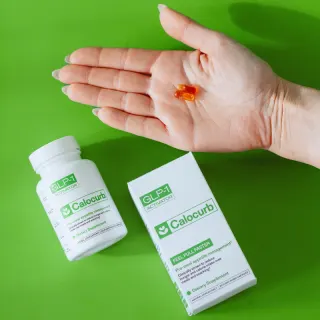
Calocurb GLP-1 Activator
Calocurb · capsuleThe best-evidenced single-mechanism appetite trigger — clinically interesting, but premium-priced and a pre-meal, short-window tool rather than all-day support.
Amarasate is one of the most directly studied appetite ingredients — multiple human RCTs, dosed on-label at 250 mg.
Acute, short-window effect: a pre-meal tool (up to 4 capsules/day), not all-day craving support.

Leanbean
Ultimate Life Ltd · capsuleA maximal glucomannan dose — which is also its risk: top-of-range fiber means you must take it carefully with plenty of water.
Glucomannan dosed at the full 3 g/day EFSA satiety level, fully disclosed.
At 3 g/day, glucomannan sits at the very top of the studied range — large glucomannan doses carry a documented risk of throat, esophageal, or GI blockage if not taken with enough water.
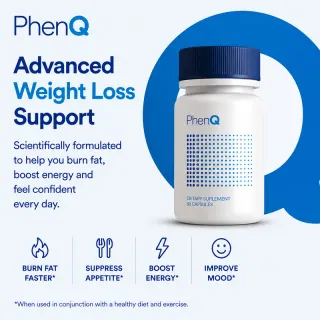
PhenQ
Wolfson Brands · capsuleBest for Daytime Energy: a caffeinated daytime option for some — but useless for after-dinner cravings, and it hides its doses.
Caffeine provides a genuine daytime energy and appetite-blunting kick.
Key actives are hidden in proprietary blends (a-Lacys Reset, Capsimax).