Ingredient Science
The Science of Amarasate (Bitter Hops Extract): A Real Mechanism With a Replication Problem
The mechanism is real and the trials are randomized and blinded. They're also small, short, and mostly run by the institute that developed the ingredient. The evidence, straight.
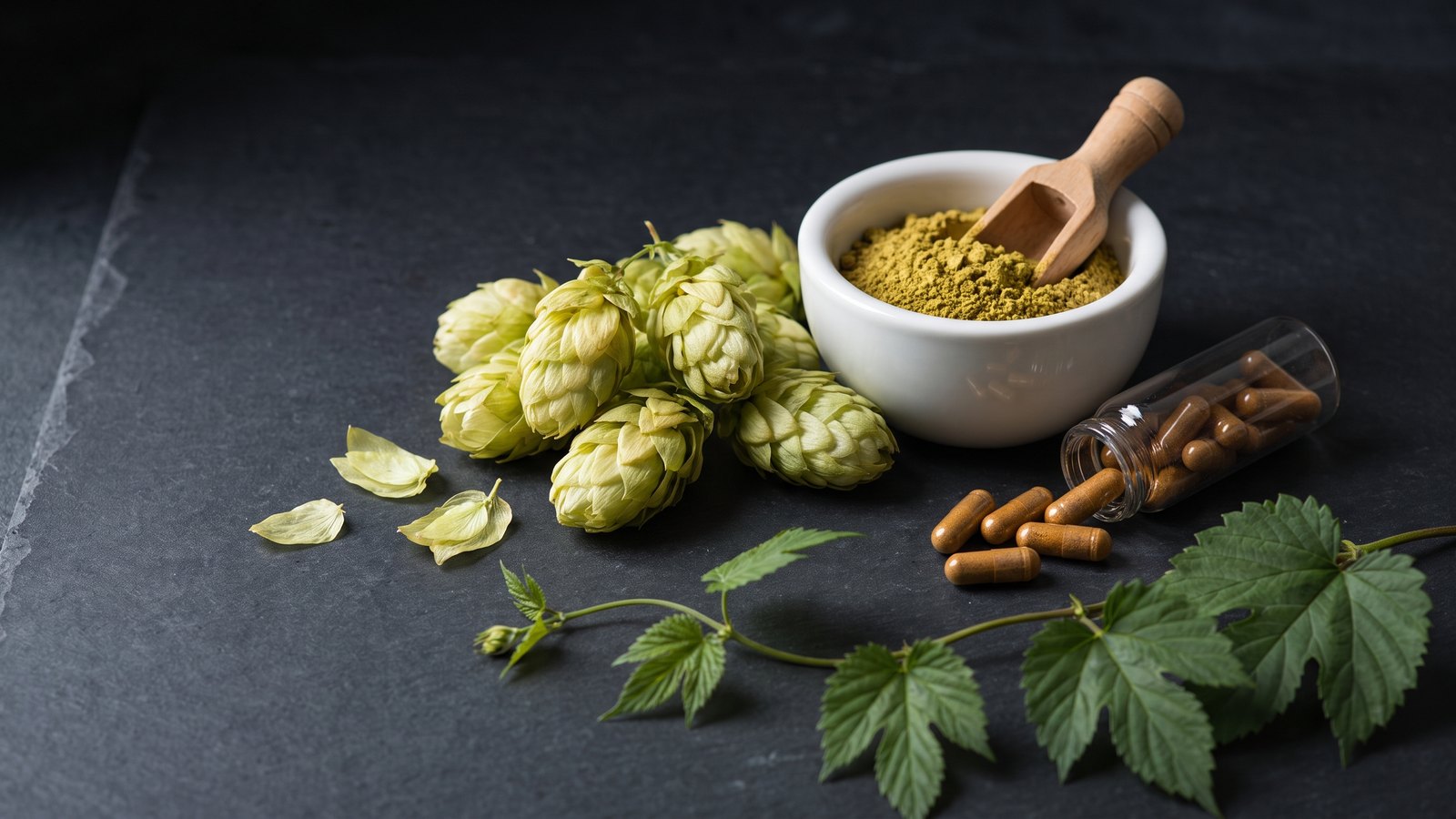
Hops has been in beer for about a thousand years. Lately it's been given a second job.
The ingredient is Amarasate, a bitter hop flower extract (Humulus lupulus) developed in New Zealand and sold in delayed-release capsules. The pitch is something called a "bitter brake": get bitter compounds past your tongue and down into your intestine, and your gut responds by telling your brain to stop eating.
It's a genuinely interesting idea with genuinely interesting data behind it. It also has a problem that most ingredient marketing skips right over. Let's go through both.
The bitter brake, explained
Your tongue isn't the only place you have bitter taste receptors. The same family of receptors, called TAS2Rs, shows up along your gastrointestinal tract, on the hormone-secreting cells lining your gut.
Those cells don't produce a conscious taste sensation. When a bitter compound binds them, they release gut hormones instead: cholecystokinin (CCK), GLP-1, and peptide YY (PYY), the same signals your body uses to register that a meal has arrived and it's time to slow down.
A 2026 review in Nutrition Reviews lays out the general case, arguing that bitter phytochemicals from herbs and spices can engage these receptors to influence incretin release and glucose handling, and that structurally different bitter compounds often produce similar downstream metabolic effects (Komarnytsky et al., Nutr Rev 2026).
For hops specifically, a 2024 study in Molecular Nutrition & Food Research went after the mechanism directly in cultured gut hormone cells. A hop extract rich in alpha and beta acids stimulated GLP-1 and CCK release in a calcium-dependent way and lowered ghrelin, and knocking down two specific bitter receptors blunted the effect (Lela et al., Mol Nutr Food Res 2024).
That's cell-culture work, not people. It tells you the mechanism is plausible and identifies the receptors involved. It doesn't tell you what happens when a human swallows a capsule. For that, you need trials.
If the hormone names look familiar, they're the same cast we covered in the gut-brain axis explainer.
What the human trials found
Three published human trials support the ingredient. All three are randomized, double-blind, and crossover, which is the right design for this kind of question.
The food-intake trial
The strongest one ran in The American Journal of Clinical Nutrition in 2022. Nineteen healthy-weight men each did three conditions: placebo, 500 mg of hop extract in delayed-release (intestinal) capsules, or 500 mg in quick-release (stomach) capsules, then ate freely at a lunch buffet and an afternoon snack (Walker et al., Am J Clin Nutr 2022).
Both hop conditions cut how much the men ate. Placebo came in at 5383 kJ across the two eating windows, the stomach-release condition at 4473 kJ, and the intestinal-release at 4439 kJ. That's a gap of roughly 900 kJ, a bit over 200 calories, and it held up statistically.
The hormone panel moved the way the mechanism predicts: CCK, GLP-1, and PYY all rose after meals on both hop treatments.
Two details in that paper deserve more attention than they usually get. First, subjective appetite didn't change. The men ate less without reporting that they felt any less hungry. Second, pre-lunch ghrelin (the hormone that drives hunger) actually went up on the hop treatments, which is the opposite of what a tidy story would want.
The two fasting trials
The other two trials tested a harder scenario: keeping hunger down during a 24-hour water-only fast.
The 2019 study in Nutrients ran 30 men through three separate 24-hour fasts, giving either placebo, 100 mg, or 250 mg of the extract twice during the back half of the fast. Both doses produced more than a 10% drop in hunger over the 18 to 24 hour stretch, and the lunchtime hunger spike that showed up in the placebo group didn't appear in either treatment group (Walker et al., Nutrients 2019).
A 2024 follow-up in Obesity Pillars repeated the design in 30 women at 125 mg and 250 mg, and found significant reductions in both appetite and food cravings versus placebo (Walker et al., Obes Pillars 2024).
The cravings result is the one worth flagging. Most appetite ingredients get measured on hunger, which is a different thing from wanting a specific food. This trial measured both and saw movement on both.
Then an outside group tested it and found nothing
Here's the part the sales pages leave out.
In 2023, a team based at the University of Adelaide ran the extract through a much more controlled setup and published the results in Appetite. Rather than swallowing capsules, participants received the extract by tube, either straight into the duodenum (100 mg or 250 mg) or into the stomach (250 mg), while the researchers measured gut motility, hormones, appetite ratings, and food intake at a buffet meal (Bitarafan et al., Appetite 2023).
The 250 mg intestinal dose did produce mild, temporary effects: a bump in pyloric pressure over the first 90 minutes and a rise in PYY from the one-hour mark. Real, but modest.
Everything else came back flat. No effect on CCK, no effect on appetite ratings, and no effect on how much anyone ate. The lower dose did nothing. The stomach delivery did nothing at all. The authors' conclusion was blunt: at none of the doses or delivery routes tested did the extract suppress appetite or energy intake.
So one trial says roughly 200 fewer calories at lunch, and another says no measurable effect on eating. Both are randomized and blinded. That's the actual state of the evidence, and any honest write-up has to sit with it rather than pick the flattering half.
Who ran the studies matters here
The three positive trials all list authors from The New Zealand Institute for Plant and Food Research, which is where this extract was developed. That isn't misconduct and it isn't unusual; most novel ingredients get their first trials funded and staffed by the people who made them, because nobody else has a reason to yet.
It does mean the independent replication carries extra weight. And the one attempt at independent testing came back largely negative.
Worth noting the trials also aren't testing the same thing. The positive food-intake trial used 500 mg in a capsule that dissolves in the intestine. The negative trial delivered 100 to 250 mg through a tube. Different dose, different delivery, and capsule dissolution may itself be part of how this works. That's a real explanation for the disagreement, not a dodge. It's also exactly why you'd want the higher dose retested by an outside lab before treating the effect as settled.
Dose, delivery, and side effects
Across the human studies, doses ran from 100 mg to 500 mg, with 250 mg twice daily the most common protocol in the fasting trials. Delayed-release delivery is doing real work in the design; the whole premise depends on bitter compounds surviving your stomach and reaching the intestine.
Side effects were mostly mild but they weren't zero. The fasting trial in women logged loose stools in three participants and heartburn in one. The AJCN trial reported small but statistically significant increases in nausea, bloating, and abdominal discomfort, with adverse GI symptoms ranging from mild to severe in the stomach-release condition specifically.
That pattern makes sense. A concentrated bitter compound hitting your stomach lining is more likely to cause trouble than one released further down. If you try hops extract, delivery format is not a marketing detail.
Everything here is short-term, too. The longest of these trials followed people for three weeks of intermittent fasting days. There's no long-term human data on daily use, and no trial we found that tracked body weight over months as an outcome. Anyone selling this as a weight-loss ingredient is well out in front of the evidence.
The honest verdict
Amarasate is one of the more mechanistically interesting appetite ingredients on the shelf. The bitter receptor pathway is real, it's been mapped in cells, and the gut hormone responses in humans track with it.
The functional evidence is thinner than the mechanism. Three small trials from one institute found reduced hunger, reduced cravings, and about 200 fewer calories eaten in a single afternoon. One outside trial found no appetite or intake effect at all.
Our read: promising, unsettled, and oversold. It's a fair thing to try if the fasting-window use case is what you're after, since that's where the positive data is most consistent. It is not a proven appetite suppressant, and the honest position until a second independent lab replicates the 500 mg capsule result is that we don't know yet.
Hops shows up in a small number of appetite products. Calocurb is the one built directly on this extract, and you can see how it stacks up against the rest of the appetite suppressant category. If you want the wider context on gut hormone approaches, our piece on natural GLP-1 support versus the drugs covers what this class of ingredient can and can't realistically do. Our methodology page explains how we weigh evidence like this.
References
- Walker EG, et al. An extract of hops (Humulus lupulus L.) modulates gut peptide hormone secretion and reduces energy intake in healthy-weight men: a randomized, crossover clinical trial. Am J Clin Nutr. 2022;115(3):925-940. PubMed · DOI
- Walker E, et al. New Zealand Bitter Hops Extract Reduces Hunger During a 24 h Water Only Fast. Nutrients. 2019;11(11):2754. PubMed · DOI
- Walker E, Lo K, Gopal P. Gastrointestinal delivery of bitter hop extract reduces appetite and food cravings in healthy adult women undergoing acute fasting. Obes Pillars. 2024;11:100117. PubMed · DOI
- Bitarafan V, et al. Effects of intraduodenal or intragastric administration of a bitter hop extract (Humulus lupulus L.), on upper gut motility, gut hormone secretion and energy intake in healthy-weight men. Appetite. 2023;184:106490. PubMed · DOI
- Lela L, et al. Humulus lupulus L.: Evaluation of Phytochemical Profile and Activation of Bitter Taste Receptors to Regulate Appetite and Satiety in Intestinal Secretin Tumor Cell Line (STC-1 Cells). Mol Nutr Food Res. 2024;68(21):e2400559. PubMed · DOI
- Komarnytsky S, Mhawish R, Wagner C. Activation of Extraoral Bitter Taste Receptors by Herbs and Spices in the Regulation of Incretin Signaling and Glucose Metabolism. Nutr Rev. 2026;84(Suppl 1):37-48. PubMed · DOI
Citations retrieved via PubMed. This article is for education only and isn't medical advice. Hops extract is a dietary supplement, not a treatment for any medical condition. Talk to your doctor before starting any supplement, especially if you're pregnant, nursing, on medication, or managing a health condition.
FAQ
What is Amarasate?
It's a bitter hop flower extract (Humulus lupulus) developed at The New Zealand Institute for Plant and Food Research and sold in delayed-release capsules. The idea is to get bitter compounds past your stomach and into your intestine, where they activate bitter taste receptors on gut hormone cells and trigger the release of CCK, GLP-1, and PYY, the signals your body uses to register fullness.
Does hops extract actually reduce appetite?
The evidence is genuinely split. Three randomized crossover trials found real effects: 19 men ate about 200 fewer calories at a buffet lunch on 500 mg, and two 24-hour fasting trials in 30 men and 30 women found more than a 10% drop in hunger plus reduced food cravings. But an independent team at the University of Adelaide delivered the extract by tube and found no effect on appetite or energy intake at any dose or route they tested. The positive trials all involve the institute that developed the ingredient, so an outside replication would settle a lot.
What dose of hops extract was studied?
Human trials used 100 mg to 500 mg. The fasting studies gave 100 to 250 mg twice during the back half of the fast; the food-intake study used a single 500 mg delayed-release dose. Delivery format matters as much as dose here, since the whole mechanism depends on the bitter compounds reaching the intestine rather than dissolving in your stomach.
Does bitter hops extract have side effects?
Mild digestive ones, mostly. Trials logged loose stools, heartburn, nausea, bloating, and abdominal discomfort. Notably, the trial that compared release types reported adverse GI symptoms ranging from mild to severe only in the stomach-release condition, which fits the idea that concentrated bitter compounds hitting the stomach lining cause more trouble than ones released further down. All the human data is short-term, so long-term daily use hasn't been studied.
Products mentioned
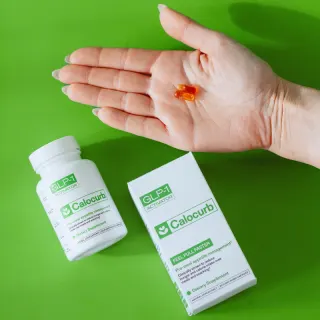
Calocurb GLP-1 Activator
Calocurb · capsuleThe best-evidenced single-mechanism appetite trigger — clinically interesting, but premium-priced and a pre-meal, short-window tool rather than all-day support.
Amarasate is one of the most directly studied appetite ingredients — multiple human RCTs, dosed on-label at 250 mg.
Acute, short-window effect: a pre-meal tool (up to 4 capsules/day), not all-day craving support.
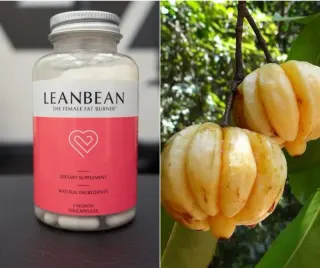
Leanbean
Ultimate Life Ltd · capsuleA maximal glucomannan dose — which is also its risk: top-of-range fiber means you must take it carefully with plenty of water.
Glucomannan dosed at the full 3 g/day EFSA satiety level, fully disclosed.
At 3 g/day, glucomannan sits at the very top of the studied range — large glucomannan doses carry a documented risk of throat, esophageal, or GI blockage if not taken with enough water.
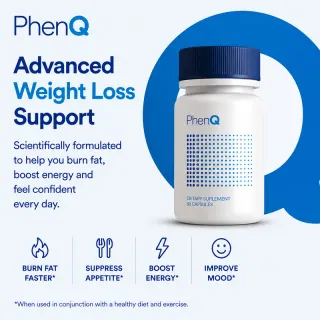
PhenQ
Wolfson Brands · capsuleBest for Daytime Energy: a caffeinated daytime option for some — but useless for after-dinner cravings, and it hides its doses.
Caffeine provides a genuine daytime energy and appetite-blunting kick.
Key actives are hidden in proprietary blends (a-Lacys Reset, Capsimax).