Head to Head
Thorne vs NOW Berberine: Absorption Claims vs the Cheaper Daily Dose
A 10x absorption number, a $0.47-a-day price gap, and a research base that tested the plain stuff.
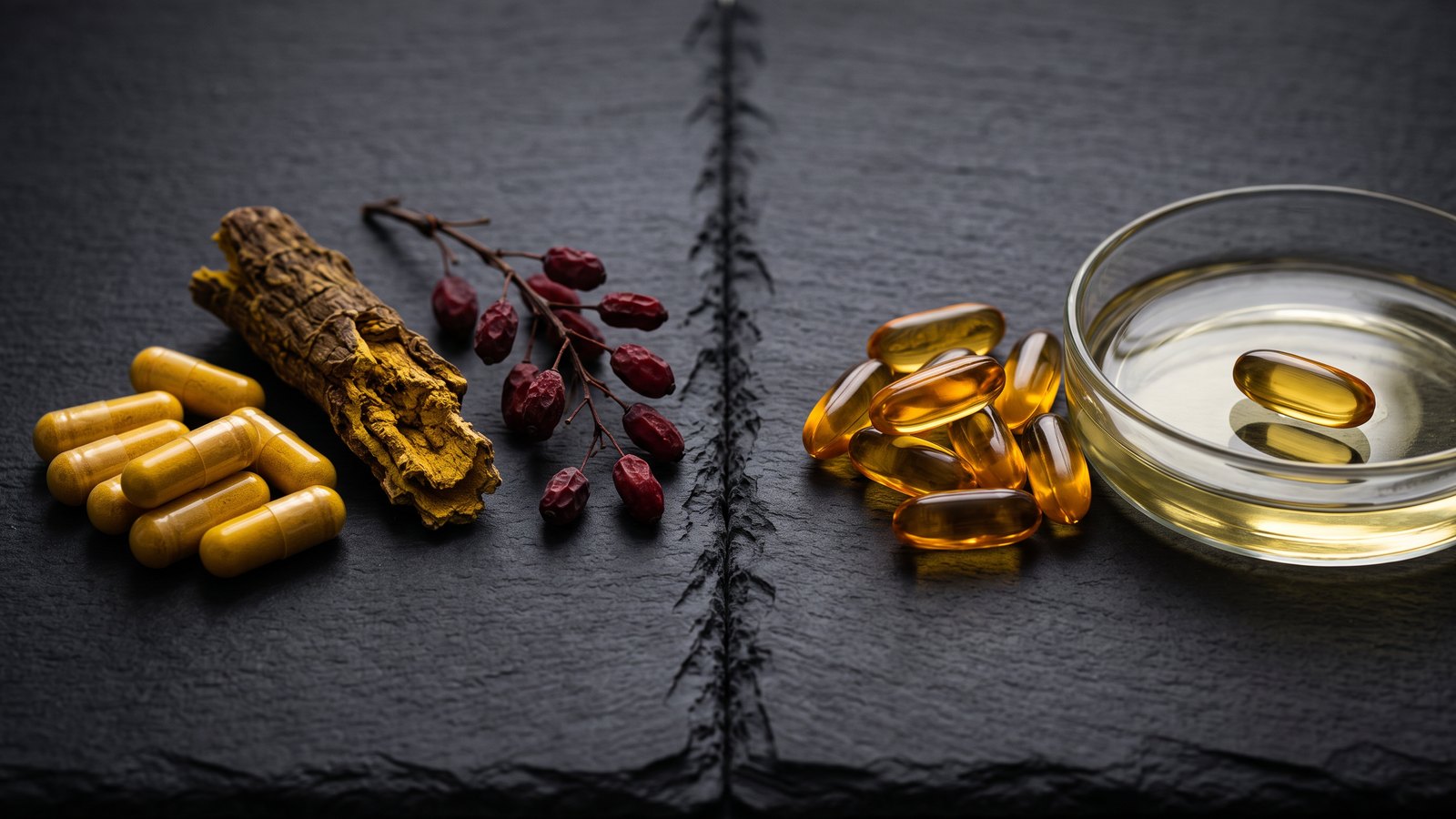
Berberine is the rare supplement-aisle ingredient with a real pile of human trials behind it. Dozens of randomized studies, several meta-analyses, consistent direction of effect on glucose and lipids. That is more than almost anything else on the shelf can say.
Which makes the brand question sharper, not softer. If the ingredient works, you want to know which bottle actually delivers it.
Thorne Berberine and NOW Berberine Glucose Support are the two most common answers, and they solve the same problem in opposite directions. Thorne pays for chemistry. NOW pays for milligrams. Only one of those bets matches the research that made berberine famous, and it is not the one you would guess from the marketing.
The problem both products are trying to solve
Berberine barely absorbs. Swallow it and most of it never reaches your bloodstream, which is why the studied doses are so large: typically 1,000 to 1,500 mg a day, split across meals, for months.
A 2025 review in the Journal of the Science of Food and Agriculture put it plainly. Berberine has broad pharmacological activity, and its use is "still marred by poor oral bioavailability," which is why so much formulation work (phytosomes, nanoemulsions, solid dispersions) exists in the first place. Every berberine product on the market is a different answer to that one sentence.
Thorne's answer is a phospholipid complex. NOW's is oil plus more pills.
What is actually in each bottle
Thorne
Two capsules per serving, listing 450 mg berberine HCl from Berberis aristata alongside 550 mg of Berberine Phytosome, for what the brand totals as 1,000 mg of berberine compounds per serving. Roughly $1.47 a serving at list price.
One transparency note we will not paper over. A phytosome is berberine bound to phospholipid, so the 550 mg is the weight of the complex, not of berberine itself. How much elemental berberine that fraction contributes is not something we can verify from the label, and it matters if you are trying to line the dose up against a trial.
NOW
One softgel delivers 400 mg berberine HCl from Berberis aristata bark plus 700 mg of MCT oil, and the label directs one softgel three times daily with food. That is 1,200 mg a day from a 90-softgel bottle, which works out to a 30-day supply at about $1.00 a day.
NOW says the medium-chain triglyceride is there to help absorption and to keep the stomach comfortable. Treat that as a brand rationale. We have not found independent human data confirming the MCT carrier does either job.
The number that flips the comparison
Thorne looks like the premium product and NOW looks like the budget one. On a daily basis that holds, but not by as much as the shelf price suggests, and the direction is worth stating plainly: NOW delivers 1,200 mg a day for about $1.00, Thorne delivers a listed 1,000 mg for about $1.47.
More milligrams, less money, from the cheaper-looking bottle. Thorne's entire counterargument is that its milligrams land harder.
The absorption claim, and how much weight it holds
Thorne's phytosome is not marketing vapor. There is a human pharmacokinetic study behind it.
Petrangolini and colleagues gave healthy volunteers either unformulated berberine or Berberine Phytosome and tracked plasma levels. The formulated version raised berberine concentrations significantly from 30 to 45 minutes onward, and improved bioavailability (measured as area under the curve) by around 10 times on a molar basis, with dose linearity and no observed side effects (Evidence-Based Complementary and Alternative Medicine 2021).
Ten times is a big number. Two caveats belong right next to it.
First, every author on that paper worked in the research and development department at Indena, the company that makes Berberine Phytosome. That does not make the data wrong. It does mean the only human pharmacokinetic evidence for this specific ingredient comes from its manufacturer, and we would want an independent replication before treating 10x as settled.
Second, and this is the part that gets skipped: blood levels are not outcomes. Higher plasma berberine is a plausible reason to expect a better result. It is not a measured better result. To our knowledge no trial has run Berberine Phytosome head to head against plain berberine and measured what actually changed in the participants.
Meanwhile the entire evidence base that made berberine worth buying ran on the plain, poorly absorbed stuff.
What the research actually found, and in whom
The trial record is genuinely substantial, and worth walking through before either brand's formulation argument means anything.
Guo and colleagues pooled 46 randomized trials in type 2 diabetes and reported HbA1c down 0.73 percentage points, fasting glucose down 0.86 mmol/L, and 2-hour post-meal glucose down 1.26 mmol/L against control, with improvements in insulin resistance markers and lipids as well (Oxidative Medicine and Cellular Longevity 2021).
Xie and colleagues pooled 37 trials covering 3,048 patients and found much the same: fasting glucose down 0.82 mmol/L, HbA1c down 0.63 percentage points (Frontiers in Pharmacology 2022).
That second paper contains the single most useful finding for anyone buying berberine off a shelf. The glucose-lowering effect tracked with baseline levels. Subgroup analysis showed the size of the effect was tied to how high participants' fasting glucose and HbA1c started. Berberine appears to work in a glucose-dependent way, which is also why the same analysis found no increase in hypoglycemia risk.
Read that in reverse and it becomes a buying rule. The further your numbers already sit inside the normal range, the less there is for berberine to move. These trials were run in people with diagnosed type 2 diabetes, usually under medical supervision, often alongside standard therapy. That is not the same person as a healthy adult buying capsules to feel steadier after lunch.
The weight-loss data is real and small
Berberine gets sold as a weight tool, so here is the honest size of it.
A 2025 systematic review in the International Journal of Obesity pooled 23 randomized trials: body weight down 0.88 kg, BMI down 0.48 kg/m², waist circumference down 1.32 cm, and no significant change in waist-to-hip ratio. An earlier meta-analysis of 12 trials found a larger effect, 2.07 kg of body weight and 1.08 cm of waist, along with a drop in C-reactive protein and no change in liver enzymes (Clinical Nutrition ESPEN 2020).
So: somewhere between roughly 1 and 2 kg over months of daily dosing, on top of whatever else participants were doing. Consistent, statistically real, and nothing like the transformation the "nature's Ozempic" nickname implies. That nickname has no head-to-head trial behind it, and we would avoid any product that leans on it.
The obesity review also flagged something that bears directly on brand choice. Its authors called for future trials to improve reporting on purity, potency, and actual gram amounts, and noted common bias from missing blinding and randomization. When the researchers pooling the literature are worried about whether the berberine was what it said it was, third-party testing stops being a luxury feature.
Dose and timing, since both labels differ
Zamani and colleagues ran a dose-response meta-analysis across adult trials and landed on roughly 1 g a day as the most efficient dose for triglycerides, total cholesterol, and weight, with about 1.8 g a day appearing more efficient for insulin and HOMA-IR. Pooled effects included fasting glucose down 7.74 mg/dL, HbA1c down 0.45 percentage points, triglycerides down 23.70 mg/dL, and systolic blood pressure down 5.46 mmHg (Frontiers in Nutrition 2022).
They also modeled time. The most efficient window for fasting glucose ran to about 40 weeks from the start of supplementation.
Forty weeks. Not two. If you are buying either of these expecting to feel something by the weekend, buy neither.
Both products sit near that 1 g mark, and both split the dose across meals for the same reason: berberine's short half-life and its habit of upsetting stomachs when it arrives all at once. Thorne is commonly split morning and evening. NOW's three-a-day schedule is closer to how most trials dosed, and harder to actually keep.
Side effects, and the interaction nobody mentions
Berberine's tolerability is the reason most people quit it, not the price.
The pooled safety picture is reassuring on paper. Xie's meta-analysis found no increase in total adverse events versus control, and a meta-analysis of 10 trials in fatty liver disease reported only mild gastrointestinal adverse events (Journal of Translational Medicine 2024). "Mild" is doing some work there. Cramping, loose stools, and constipation are common enough at 1,000 mg and up that plenty of people never reach a dose that matches the studies.
The interaction question deserves more attention than either label gives it. Berberine is not inert around your other medications. In rats, oral Coptidis rhizoma (a berberine-containing herb) activated both P-glycoprotein and CYP3A and cut blood levels of cyclosporine, a narrow-therapeutic-window drug, by more than half (Journal of Food and Drug Analysis 2017).
That is a rodent study using a whole-herb preparation, not a human trial of either product here, so do not over-read it. Read it as a flag: berberine touches the same metabolic machinery that clears a long list of prescriptions. If you take anything daily, especially glucose-lowering medication, this is a conversation with your doctor or pharmacist before it is a purchase.
Neither brand should be taken while pregnant or nursing. NOW states that on the label.
Who each one is for
Buy NOW if you want the studied approach at the lowest daily cost. It is more berberine per day for less money, from a large manufacturer, in a form that mirrors how the trials actually dosed. The price of that is a three-times-a-day habit and a delivery claim (the MCT oil) resting on the brand's word rather than independent data.
Buy Thorne if the absorption argument convinces you and you value the testing. The phytosome has a real human pharmacokinetic study, the brand's third-party testing reputation is a genuine answer to the purity concerns researchers keep raising, and two capsules a day is a routine people keep. The price of that is roughly 47 cents a day more for fewer listed milligrams, on a bet that better absorption converts into better results, which nobody has yet measured.
Our scoring puts them level, and that is not a dodge. Both land the same on ingredients, science, and format in our methodology, because they are the same ingredient wearing different jackets.
The thing both products share
Berberine is a metabolic supplement, not a craving supplement.
Everything above is glucose, lipids, and slow changes in body weight. None of it is appetite. Steadier blood sugar can indirectly take some edge off the 3pm slump, and that is a real if modest thing, but nothing in this evidence base measured snacking, hunger, or fullness as an outcome. If the problem you are trying to solve is food noise at 9pm, berberine is an indirect tool at best, and the three-a-day schedule means the dose you take at dinner is the last one you get.
For the wider picture on the ingredient, we went deep in the science of berberine, and the Thorne bottle gets its own full treatment, interaction data included, in our Thorne Berberine review. For how it stacks against everything else aimed at glucose, see our blood sugar rankings and the rest of the berberine and metabolic category.
One last piece of context for why this aisle is so crowded. The CDC puts 115.2 million US adults, more than 2 in 5, in the prediabetes range, and reports that 8 in 10 of them do not know it. That is the market both of these bottles are selling into. It is also the reason the right first move is a blood test rather than a supplement: berberine's effect tracks your starting numbers, and you cannot match a tool to a problem you have not measured.
References
- Petrangolini G, Corti F, Ronchi M, et al. Development of an Innovative Berberine Food-Grade Formulation with an Ameliorated Absorption: In Vitro Evidence Confirmed by Healthy Human Volunteers Pharmacokinetic Study. Evid Based Complement Alternat Med. 2021;2021:7563889. PMID 34904017
- Guo J, Chen H, Zhang X, et al. The Effect of Berberine on Metabolic Profiles in Type 2 Diabetic Patients: A Systematic Review and Meta-Analysis of Randomized Controlled Trials. Oxid Med Cell Longev. 2021;2021:2074610. PMID 34956436
- Xie W, Su F, Wang G, et al. Glucose-lowering effect of berberine on type 2 diabetes: A systematic review and meta-analysis. Front Pharmacol. 2022;13:1015045. PMID 36467075
- Zamani M, Zarei M, Nikbaf-Shandiz M, et al. The effects of berberine supplementation on cardiovascular risk factors in adults: A systematic review and dose-response meta-analysis. Front Nutr. 2022;9:1013055. PMID 36313096
- Elahi Vahed I, Shahir-Roudi E, Nojumi S, et al. The effect of berberine on obesity indices: a systematic review and meta-analysis. Int J Obes (Lond). 2026;50(1):53-73. PMID 41310257
- Asbaghi O, Ghanbari N, Shekari M, et al. The effect of berberine supplementation on obesity parameters, inflammation and liver function enzymes: A systematic review and meta-analysis of randomized controlled trials. Clin Nutr ESPEN. 2020;38:43-49. PMID 32690176
- Nie Q, Li M, Huang C, et al. The clinical efficacy and safety of berberine in the treatment of non-alcoholic fatty liver disease: a meta-analysis and systematic review. J Transl Med. 2024;22(1):225. PMID 38429794
- Mohapatra N, Singh TG, Kumar M, Awasthi A. A comprehensive compendium of berberine: sources, chemistry, and pharmacological activities. J Sci Food Agric. 2026;106(9):5142-5162. PMID 41420373
- Yu CP, Huang CY, Lin SP, Hou YC. Activation of P-glycoprotein and CYP 3A by Coptidis Rhizoma in vivo: Using cyclosporine as a probe substrate in rats. J Food Drug Anal. 2017;26(2S):S125-S132. PMID 29703381
- National Diabetes Statistics Report. Centers for Disease Control and Prevention. cdc.gov
Citations retrieved via PubMed, plus CDC surveillance data. This article is for education only and isn't medical advice. Talk to your doctor before starting any supplement, especially if you're pregnant, nursing, on medication, or managing a health condition.
FAQ
Is Thorne's Berberine Phytosome worth the extra money?
It depends how much weight you put on a bioavailability number versus a measured result. The phytosome has a human pharmacokinetic study showing roughly 10x higher absorption than unformulated berberine, but that study came entirely from the ingredient manufacturer's own research team, and no trial has compared the phytosome against plain berberine on actual outcomes. You're paying about 47 cents a day more for a well-reasoned bet, not a proven upgrade.
Which berberine is cheaper per day?
NOW, and it also gives you more berberine. At the label dose of one softgel three times daily, a 90-softgel bottle is a 30-day supply delivering 1,200 mg a day for about $1.00. Thorne's two-capsule serving lists 1,000 mg for about $1.47. The per-bottle prices make Thorne look like the premium option, and on a daily basis it is, for fewer listed milligrams.
How long before berberine does anything?
Longer than most people are willing to wait. A dose-response meta-analysis modeled the most efficient window for fasting glucose at around 40 weeks from the start of supplementation, with roughly 1 g a day as the efficient dose for lipids and weight. Nothing in this research base supports expecting a change in days.
Will berberine help with cravings?
Not directly, and neither product is built for it. The berberine trial record measures glucose, lipids, and modest changes in body weight, not appetite, snacking, or fullness. Steadier blood sugar may indirectly soften an energy dip, but if evening cravings are the problem you're solving, this isn't the category for it.
Can I take berberine with my medication?
Ask your doctor or pharmacist first. Berberine interacts with the same metabolic machinery (P-glycoprotein and CYP3A) that clears many prescription drugs; a rat study of a berberine-containing herb cut blood levels of one narrow-therapeutic-window medication by more than half. That's rodent data on a whole-herb preparation rather than these products, but it's a real flag, and it matters most if you already take glucose-lowering medication.
Products mentioned
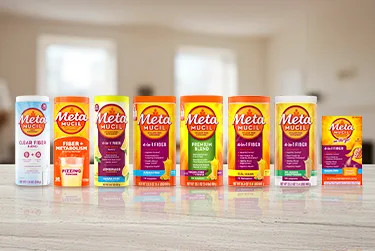
Metamucil 4-in-1 Fiber (Psyllium Husk)
Metamucil (Procter & Gamble) · powderBest Value: cheap, drinkable, and well-evidenced as a fiber — but single-pathway and a heavy gel load.
Pennies per serving — by far the cheapest in the set.
Single pathway — a fiber, not a craving formula.
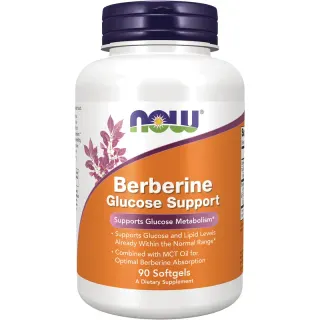
NOW Berberine Glucose Support
NOW Foods · softgelA cheap, no-frills berberine — same evidence, same berberine tolerability problem.
Inexpensive, disclosed berberine from a large reputable brand.
Berberine’s common GI side effects (cramping, diarrhea) still apply, especially across 1,200 mg/day.
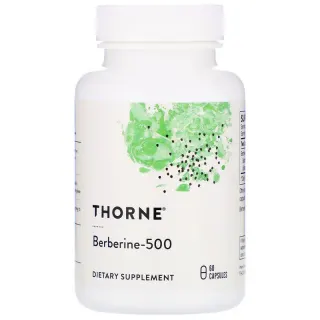
Thorne Berberine (1,000 mg)
Thorne · capsuleWell-evidenced berberine for metabolic support — but the effective dose is rough on a lot of stomachs.
Berberine has real human RCT evidence for glucose and lipid markers.
Berberine commonly causes GI distress — cramping, diarrhea, constipation — and at the 1,000 mg+ effective dose it is hard for many people to tolerate.