Ingredient Science
Berberine, Honestly: What the Evidence Says About Blood Sugar, Cravings, and "Nature's Ozempic"
It's the bright-yellow plant compound the internet nicknamed nature's Ozempic. The real evidence is narrower, and more interesting, than the nickname.
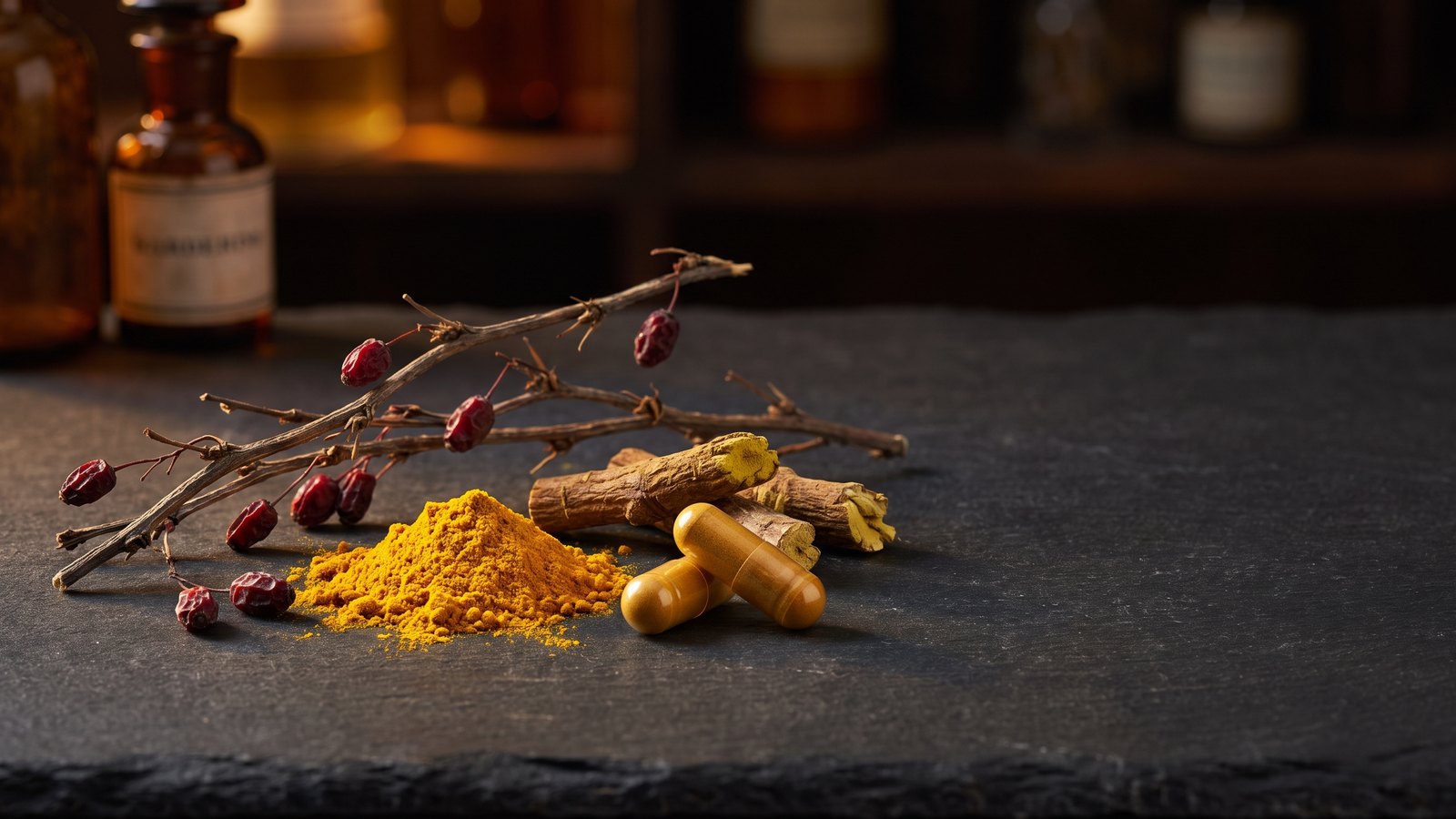
Berberine had a moment. A big one. For a stretch of 2022 and 2023 it was all over social media as "nature's Ozempic," a cheap plant compound that supposedly did what the injections do. That framing is wrong, and it undersells what berberine actually is.
So let's take it apart. What berberine is, what the human research really shows, the absorption problem that shapes how you'd have to take it, and where it fits (if it fits) for someone thinking about cravings and blood sugar.
What berberine actually is
Berberine is a bright-yellow alkaloid pulled from a handful of plants: barberry, goldenseal, Oregon grape, and Coptis chinensis, a staple of traditional Chinese and Ayurvedic medicine for centuries. That intense yellow color is berberine itself. It's the same pigment that stains your fingers if you handle the raw powder.
It isn't a hormone and it isn't a drug. It's a plant molecule that turns out to be biologically busy, which is exactly why it's worth understanding and also why it deserves some caution.
The mechanism: a metabolic dimmer switch
Berberine's headline action is turning on an enzyme called AMPK, sometimes described as the cell's metabolic master switch. When AMPK fires, cells pull in glucose more readily, burn fat for fuel, and dial back fat storage.
According to research retrieved from PubMed, that's just the start. A 2025 mechanism review maps berberine onto several signaling pathways at once, including AMPK/mTOR, PI3K/AKT, and TLR4/NF-κB, plus a direct effect on gut bacteria (Zhou et al., 2025, DOI). A separate 2025 obesity review adds PPAR-γ suppression (which blunts new fat-cell formation), UCP1 upregulation (which nudges fat toward burning energy as heat), and gut-microbiome shifts that improve metabolic markers (Kong et al., 2025, DOI).
That "acts on many targets at once" quality is berberine's real signature. It's less a precision key and more a dimmer switch turned across a whole panel of metabolic lights.
What the human trials show: blood sugar is the strong suit
Here's where berberine earns its reputation, and it has nothing to do with appetite hormones.
A systematic review and meta-analysis of 46 randomized controlled trials in people with type 2 diabetes found berberine, mostly used alongside standard therapy, produced meaningful drops in blood sugar: HbA1c fell by about 0.73 percentage points, fasting glucose came down, and post-meal glucose improved too (Guo et al., 2021, DOI). The same analysis saw insulin resistance improve (lower HOMA-IR), a modest BMI reduction of roughly 1 point, and a favorable shift in cholesterol and triglycerides.
A 2023 umbrella meta-analysis, which pools together the existing meta-analyses rather than individual trials, backs that up: berberine supplementation lowered fasting blood glucose, HbA1c (by about 0.57 on a standardized scale), and insulin resistance, and it also pushed down inflammatory markers like IL-6, TNF-α, and CRP (Nazari et al., 2023, DOI).
Two honest caveats before anyone gets excited. First, a lot of this research was done in clinical populations already managing diabetes, often as an add-on to medication, and a chunk of the trials come from Chinese-language databases where study quality varies. Second, and this is the important one: these are people with diagnosed conditions under medical care. Berberine is a supplement, not a treatment, and none of this means it belongs in place of anything a doctor prescribed.
So where do cravings come in?
This is the part the "nature's Ozempic" crowd gets backwards.
The GLP-1 drugs work mainly on appetite signaling. They act on gut-hormone pathways to crush hunger and slow how fast your stomach empties. Berberine mostly doesn't do that. Its lane is glucose and insulin, not satiety hormones.
The link to cravings, if there is one, runs through blood sugar. When your glucose swings up and crashes down, that crash tends to show up as a hard-to-argue-with urge for something sweet or starchy. A compound that flattens those swings and improves insulin sensitivity may take some of the edge off the crash-driven cravings that follow a big carb hit. That's an indirect, downstream effect, and it's a good deal gentler and less certain than what a hunger-hormone drug does.
The modest weight numbers fit that story. The roughly 1-point BMI change in the diabetes meta-analysis is real but small, and it likely rides on better glucose handling plus the AMPK and fat-cell effects, not on appetite suppression. If you want the full breakdown of why "natural GLP-1" and the actual drugs aren't the same category, we walked through it here.
The absorption problem nobody puts on the label
Berberine has a genuinely awkward flaw: your body barely absorbs it. Oral bioavailability sits under 1%, thanks to a gut transporter called P-glycoprotein that pumps it right back out, plus heavy first-pass metabolism in the liver (Kong et al., 2025, DOI).
Two practical consequences fall out of that. One, the standard approach in the trial literature is to split the dose and take it several times a day with food, rather than one big pill, because the body can only handle so little at once. Most of the studies that showed an effect landed in the neighborhood of 1 to 1.5 grams a day, divided into two or three doses with meals.
Two, that 1% figure is why you now see fancier formulations. Berberine's metabolites appear to be active in their own right, and researchers are chasing delivery tricks (nanoencapsulation, phospholipid complexes, and a reduced form called dihydroberberine) to get more of it into circulation (Das et al., 2025, DOI). Some of those show promise. Most plain berberine capsules on the shelf are still the poorly-absorbed original, which is part of why dose and timing matter so much.
Safety and the fine print
The most common complaint is digestive. Berberine can cause cramping, constipation, diarrhea, and general stomach upset, especially at higher doses, which is one more reason the dose gets split up.
The bigger issue is that berberine is biologically active enough to behave a little like a drug. It can interact with medications, and stacking it on top of prescription glucose-lowering drugs raises a real risk of blood sugar dropping too low. It's not something to take casually during pregnancy or breastfeeding. If you're on any prescription or managing a health condition, this is a talk-to-your-doctor supplement, not a grab-it-off-the-shelf one. We're describing what the research measured here, not handing out medical advice.
The honest verdict
Berberine is one of the better-studied supplements in this whole space, and the evidence is genuinely decent for what it does: steadying blood sugar, improving insulin sensitivity, and nudging cholesterol in the right direction, mostly demonstrated in people with metabolic dysfunction.
For cravings, treat it as an indirect tool. It may help by keeping your blood sugar on an even keel, which cuts down the crashes that trigger snacking. It is not an appetite-suppressing drug, and calling it nature's Ozempic sets you up to be disappointed.
If berberine is on your list, the version and the honesty of the label matter. We line up the berberine products in our berberine and metabolic breakdown, including Thorne and NOW, and our scoring methodology explains how we weigh dose, form, and evidence. If your real goal is smoothing out post-meal blood-sugar swings, a viscous fiber like psyllium does some of the same work through a different, gentler door. Berberine's a real tool. Just a specific one, aimed at a specific problem.
References
Based on articles retrieved from PubMed:
- Guo J, Chen H, Zhang X, et al. The Effect of Berberine on Metabolic Profiles in Type 2 Diabetic Patients: A Systematic Review and Meta-Analysis of Randomized Controlled Trials. Oxid Med Cell Longev. 2021. PubMed · DOI
- Nazari A, Ghotbabadi ZR, Kazemi KS, et al. The Effect of Berberine Supplementation on Glycemic Control and Inflammatory Biomarkers in Metabolic Disorders: An Umbrella Meta-analysis of Randomized Controlled Trials. Clin Ther. 2023. PubMed · DOI
- Kong Y, Yang H, Nie R, et al. Berberine as a multi-target therapeutic agent for obesity: from pharmacological mechanisms to clinical evidence. Eur J Med Res. 2025. PubMed · DOI
- Zhou W, Asif A, Situ C, et al. Multiple target and regulatory pathways of berberine. Phytomedicine. 2025. PubMed · DOI
- Das M, Yagnik U, Raninga I, Banerjee D. Metabolic regulation of obesity by naturally occurring compounds: mechanisms and therapeutic potential. Front Endocrinol (Lausanne). 2025. PubMed · DOI
FAQ
Is berberine really "nature's Ozempic"?
No, and the comparison is misleading. GLP-1 drugs work mainly on appetite hormones to suppress hunger. Berberine works mostly on blood sugar and insulin sensitivity through the AMPK pathway. Any effect on cravings is indirect, through steadier glucose, and it's far gentler and less certain than a prescription drug. It's a supplement, not a substitute for medication.
How much berberine did the studies use, and how is it taken?
Most trials that showed an effect used roughly 1 to 1.5 grams a day, split into two or three doses taken with meals. The dose gets divided because berberine is so poorly absorbed (under 1% bioavailability) that the body can only handle a little at a time.
What does berberine actually help with?
The strongest evidence is for blood-sugar control. Meta-analyses in people with type 2 diabetes show meaningful reductions in HbA1c, fasting glucose, and insulin resistance, plus improvements in cholesterol and triglycerides. Weight effects are modest, about a 1-point BMI change in those trials. Most of this research is in clinical populations already managing a condition.
Is berberine safe to take?
The common side effects are digestive: cramping, constipation, or diarrhea, worse at higher doses. The bigger consideration is that berberine is biologically active enough to interact with medications, and combining it with prescription glucose-lowering drugs can raise the risk of low blood sugar. It's not recommended in pregnancy or breastfeeding. If you take any prescription or manage a health condition, check with your doctor first.
Products mentioned
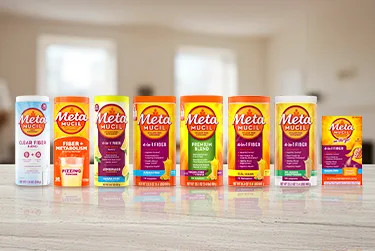
Metamucil 4-in-1 Fiber (Psyllium Husk)
Metamucil (Procter & Gamble) · powderBest Value: cheap, drinkable, and well-evidenced as a fiber — but single-pathway and a heavy gel load.
Pennies per serving — by far the cheapest in the set.
Single pathway — a fiber, not a craving formula.
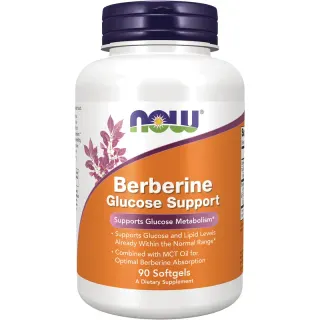
NOW Berberine Glucose Support
NOW Foods · softgelA cheap, no-frills berberine — same evidence, same berberine tolerability problem.
Inexpensive, disclosed berberine from a large reputable brand.
Berberine’s common GI side effects (cramping, diarrhea) still apply, especially across 1,200 mg/day.
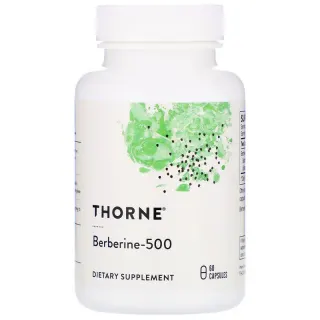
Thorne Berberine (1,000 mg)
Thorne · capsuleWell-evidenced berberine for metabolic support — but the effective dose is rough on a lot of stomachs.
Berberine has real human RCT evidence for glucose and lipid markers.
Berberine commonly causes GI distress — cramping, diarrhea, constipation — and at the 1,000 mg+ effective dose it is hard for many people to tolerate.