Delivery Science
Do Appetite Control Patches Work? What the Evidence Actually Says
Your skin is very good at its job. That's the whole problem with this product category.
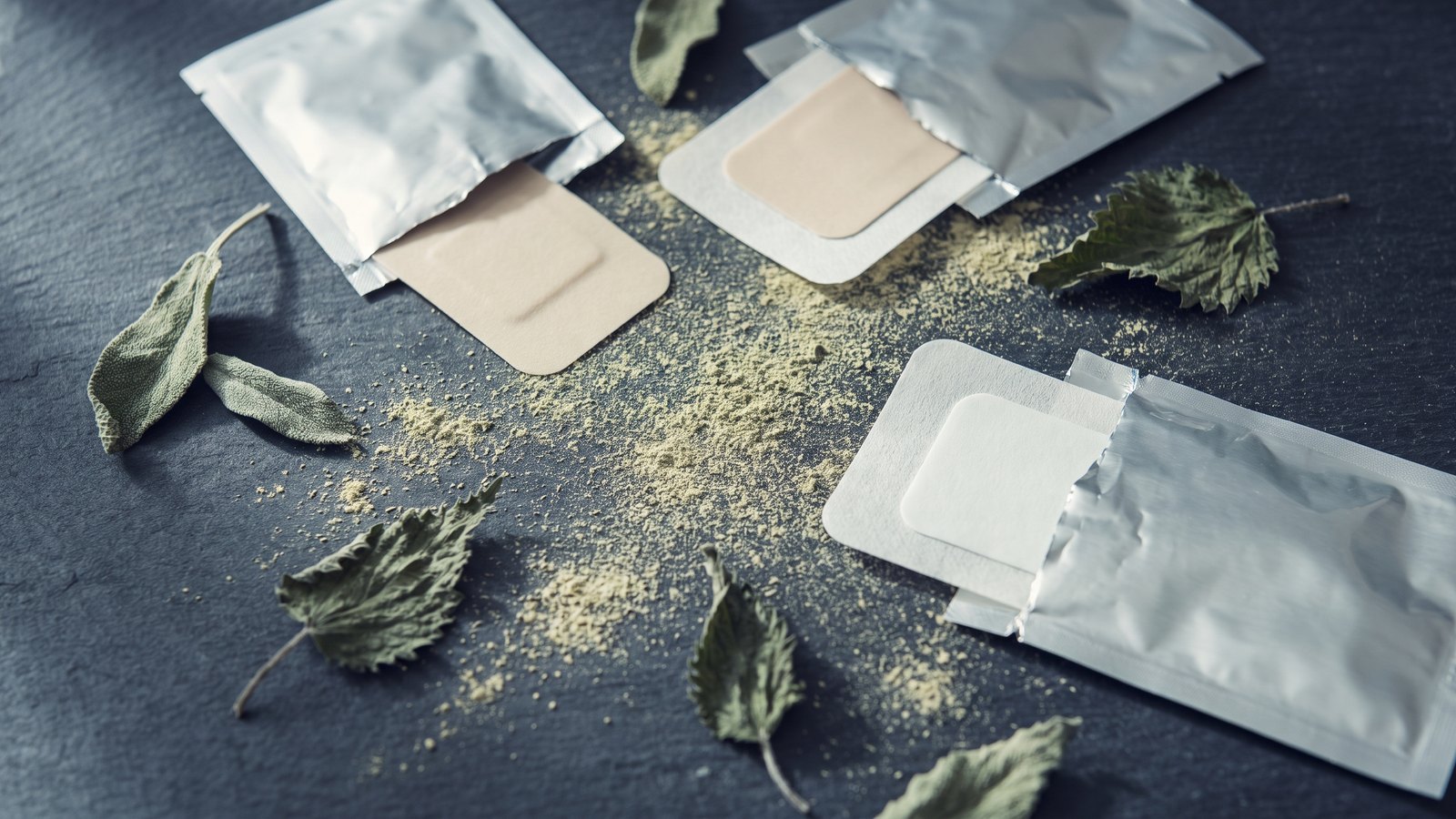
The pitch is close to perfect. Stick it on your arm in the morning, forget about it, and the ingredients drip into you all day. No pills to remember, no powder to mix, no stomach to upset.
It's a good enough pitch that "does weight loss patch work" gets searched thousands of times a month. So here's the honest answer, in the order the evidence comes in.
Your skin is a barrier, not a doorway
Start with what the patch has to defeat. The outer layer of your skin, the stratum corneum, exists specifically to stop things getting in. It holds out water, bacteria, fungi, viruses, and very nearly everything you press against it.
Dermatologists have a rough working limit for what gets past it. Bos and Meinardi laid it out as the 500 Dalton rule: a molecule generally has to weigh under 500 Da to be absorbed through intact skin, and larger ones can't cross the corneal layer (Experimental Dermatology 2000). Their argument is neat, because it runs on things nobody disputes. Essentially every common contact allergen is under 500 Da. Every drug used in a transdermal delivery system at the time was under 500 Da. Nothing bigger shows up, in either the helpful column or the harmful one.
That single number does a lot of sorting on a supplement label.
The mechanism problem is worse than the size problem
Here's the part that rarely comes up, and it's the one that actually decides this.
Even if you could get an appetite ingredient through the skin, for several of them that would break the mechanism rather than deliver it.
Take viscous fiber. Glucomannan doesn't work by circulating in your blood. It works by absorbing water and forming a gel in your stomach, which slows gastric emptying and takes up space. We went through that evidence in our glucomannan review, and the mechanism is entirely mechanical and entirely local. Delivering glucomannan to your bloodstream, if it were possible, would accomplish nothing. The stomach is the point.
Same story with psyllium. Its satiety data comes from a gel forming in the gut, not from a blood level.
Bitter compounds are the sharpest example. Amarasate works by reaching bitter receptors in the gut lumen and triggering appetite-related signaling from there. The whole reason it's delivered in a capsule designed to open lower down is that where it lands is the active ingredient, in a sense. Our Amarasate breakdown covers the delivery detail. A patch skips the exact tissue the mechanism requires.
So for the fiber and bitter ingredients, the skin barrier is almost beside the point. Even a perfect patch would be routing the ingredient away from the organ it needs.
What it takes to get one vitamin through skin
Now consider the effort real pharmaceutical scientists spend on this, and compare it to a $20 patch claiming a dozen botanicals.
A team at King's College London is running a registered trial to see whether vitamin D can be supplemented through the skin at all. They couldn't just put vitamin D in a patch. As they explain it, supplementing an oil-soluble vitamin via the skin is a problem because it gets stuck in the stratum corneum after you apply it. So they built a new molecule, a more water-soluble vitamin D phosphate ester, and are testing it across a dose-escalation phase and then a randomized, double-blind, placebo-controlled trial of up to 100 people (Trials 2025).
That's the level of work involved in getting one vitamin across skin: redesign the molecule, then run a multistage trial to find out if it worked.
The same pattern shows up elsewhere. Billich and colleagues did manage to push cyclosporin derivatives (1,200 to 1,600 Da, well over the limit) through skin at up to 16 times the rate of the parent compound in human tissue, which is a genuine exception to the 500 Da rule. They got there by synthesizing a series of prodrugs with charged phosphate, sulfate, quaternary amine, and phosphocholine side chains (Bioorganic and Medicinal Chemistry 2005). The rule bends. It bends for medicinal chemists doing deliberate structural work, not for an extract stirred into an adhesive.
And when researchers want reliable delivery, they increasingly stop relying on the patch sitting there passively. A review of microneedle studies makes the reason plain: creams and patches are limited by skin permeability and slow passive delivery rates, so microneedles physically penetrate the stratum corneum to reach the dermis instead (International Journal of Pharmaceutics 2023). Passive diffusion is the weak option, which is exactly what a supplement patch is.
The one study on nutrient patches in real people
There is human data here, and it deserves a fair reading.
Culpepper and colleagues followed 92 bariatric surgery patients who preferred patches to pills, putting them on a commercial multivitamin patch and checking serum nutrient levels at three months, six months, and a year. Of the 25 patients with a complete lab panel at one year, 19% had two or more micronutrient deficiencies. Vitamin D was the most common, then vitamin B6, with B1, folate, and zinc deficiencies also turning up (Cureus 2022).
Read that carefully in both directions. Median vitamin D and B6 concentrations did rise over the period, which isn't nothing. But there was no comparison group taking oral supplements, so nothing here separates the patch from surgery, diet, sun exposure, or time. The authors say so themselves, concluding that randomized controlled trials are still required to determine whether the patch provides adequate supplementation.
That is the strongest human evidence on the shelf for nutrient patches, and it's a small uncontrolled pilot that ends by asking for a real trial. Notice also that these are vitamins and minerals, mostly small molecules. Vitamin B12 alone is about 1,355 Da, nearly three times the skin limit. Nobody has produced anything like this for an appetite ingredient.
The FTC already litigated this
This isn't a new question, and a regulator has answered part of it in public.
In December 2004 the Federal Trade Commission named "diet patches, topical creams and gels, body wraps, and other products worn on the body or rubbed into the skin" among the most common false weight-loss claims, and charged the marketers of patches sold as LePatch, Revo Patch, Svelt Patch, and Z Patch. The complaint alleged the company falsely claimed that scientific research demonstrated the patch caused substantial weight loss.
By August 2007 the same manufacturer, Transdermal Products International Marketing Corporation, was banned from selling weight-loss patches and paid $180,000. The claims the FTC found false and unsubstantiated included that a product worn or rubbed on the skin is effective for weight loss, that it causes substantial weight loss without cutting calories or exercising, and that it safely lets users lose more than three pounds a week for over four weeks. The defendants had also supplied retailers with purported expert endorsements and clinical studies.
A separate 2008 order added another $110,539 after marketers kept making the same claims abroad.
Regulatory action isn't the same as a negative trial. It doesn't prove no patch can ever work. What it does show is that when an agency with subpoena power went looking for the substantiation behind these products, what it found was fabricated rather than thin.
So why do nicotine patches work?
Because they're a fair question, and the answer sharpens everything above.
Nicotine is a small, fat-soluble molecule that comfortably clears the 500 Da threshold, and it's potent at very low blood concentrations. Hormone patches and motion-sickness patches share that profile. They're prescription or over-the-counter drugs, tested as finished products, delivering a known amount of a single small molecule with a defined blood target.
That's four things a supplement patch usually doesn't have: a small molecule, potency at trace levels, a measured delivery rate, and a trial on the actual product.
One thing worth saying plainly, since people search it: nicotine patches are a smoking cessation medicine. Using one as a weight-loss product means taking an addictive drug for an unapproved purpose, and that's a conversation for a doctor, not a shopping decision.
How to read a patch label in 30 seconds
If you're looking at one anyway, three checks do most of the work.
Find the dose. Most patches list ingredients without saying how many milligrams cross the skin, or how many are in the adhesive at all. Without that number there's nothing to compare against a study.
Check the mechanism. If the ingredient works in your gut, ask why it's on your arm.
Read the qualifiers. "Up to," "may support," and "in a study" are doing specific work in these listings, and we pulled apart exactly how in our piece on what "up to" really means on a supplement claim.
The verdict
No published human trial shows an appetite control patch reducing appetite, and the mechanics point away from it: most of these ingredients are too big to cross skin, and several of the ones that aren't need to be in your gut to do anything. The FTC has already banned one manufacturer in this exact category for claiming otherwise.
None of which makes the underlying ingredients useless. It makes the delivery route the problem. Glucomannan, psyllium, and bitter hops extract all have real human data behind them when you swallow them, and you can see how the field stacks up in our appetite control rankings or across the appetite suppressant category.
If the appeal was never having to remember a pill, that's a real preference and worth respecting. It just isn't a reason to buy a delivery method that hasn't shown it delivers.
References
- Bos JD, Meinardi MM. The 500 Dalton rule for the skin penetration of chemical compounds and drugs. Exp Dermatol. 2000;9(3):165-9. PMID 10839713
- Billich A, Vyplel H, Grassberger M, et al. Novel cyclosporin derivatives featuring enhanced skin penetration despite increased molecular weight. Bioorg Med Chem. 2005;13(9):3157-67. PMID 15809151
- Hibbard T, Andriollo P, Lim CH, et al. A multistage double-blind placebo-controlled study to assess the safety and efficacy of transdermal vitamin D phosphate supplementation (TransVitD). Trials. 2025;26(1):59. PMID 39972355
- Iapichino M, Maibach H, Stoeber B. Quantification methods comparing in vitro and in vivo percutaneous permeation by microneedles and passive diffusion. Int J Pharm. 2023;638:122885. PMID 37015294
- Culpepper T, Lux T, Trivedi S, et al. Prevalence of Postoperative Micronutrient Deficiencies in Bariatric Surgery Patients Who Use Transdermal Patches for Supplementation: A Pilot Study. Cureus. 2022;14(6):e25989. PMID 35859973
- Federal Trade Commission. FTC: Skin Patches Do Not Cause Weight Loss. December 15, 2004. ftc.gov
- Federal Trade Commission. Weight-Loss Patch Manufacturer Banned From Selling Weight-Loss Patches, Will Pay $180,000. August 2007. ftc.gov
Citations retrieved via PubMed, plus Federal Trade Commission enforcement records. This article is for education only and isn't medical advice. Talk to your doctor before starting any supplement, especially if you're pregnant, nursing, on medication, or managing a health condition.
FAQ
Do appetite control patches work?
No published human trial shows an appetite control patch reducing appetite or food intake. Two problems stack up. Most molecules have to be under about 500 Daltons to cross intact skin at all (Bos and Meinardi, Exp Dermatol 2000), which rules out fiber ingredients outright. And several appetite ingredients work locally in the gut rather than through the bloodstream, so skin delivery would bypass the tissue the mechanism needs even if it were possible.
Why do nicotine and hormone patches work if supplement patches don't?
Because they're small, fat-soluble molecules that are potent at very low blood concentrations, and they're regulated drug products tested as finished goods with a measured delivery rate. A supplement patch typically has none of those four things. It's the molecule and the testing that make a patch work, not the adhesive.
Is there any human research on nutrient patches?
A little, and it's early. A pilot study followed 92 bariatric surgery patients using a commercial multivitamin patch; among the 25 with complete labs at one year, 19% still had two or more micronutrient deficiencies (Culpepper et al., Cureus 2022). There was no oral-supplement comparison group, and the authors concluded that randomized controlled trials are still needed. That is the strongest human evidence available, and it's for vitamins, not appetite ingredients.
Has any regulator ruled on weight-loss patches?
Yes. In 2004 the FTC listed diet patches and topical products among the most common false weight-loss claims and charged several patch marketers. In 2007 Transdermal Products International Marketing Corporation was banned from selling weight-loss patches and paid $180,000 over claims that a product worn on the skin causes substantial weight loss without diet or exercise. A 2008 order added a further $110,539 for continued violations.
Products mentioned
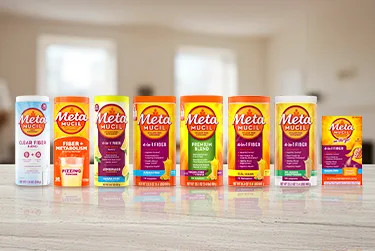
Metamucil 4-in-1 Fiber (Psyllium Husk)
Metamucil (Procter & Gamble) · powderBest Value: cheap, drinkable, and well-evidenced as a fiber — but single-pathway and a heavy gel load.
Pennies per serving — by far the cheapest in the set.
Single pathway — a fiber, not a craving formula.
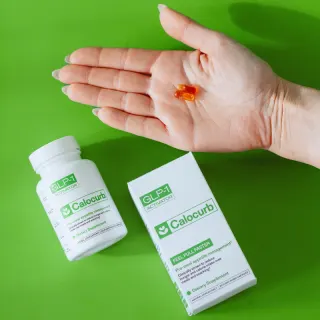
Calocurb GLP-1 Activator
Calocurb · capsuleThe best-evidenced single-mechanism appetite trigger — clinically interesting, but premium-priced and a pre-meal, short-window tool rather than all-day support.
Amarasate is one of the most directly studied appetite ingredients — multiple human RCTs, dosed on-label at 250 mg.
Acute, short-window effect: a pre-meal tool (up to 4 capsules/day), not all-day craving support.
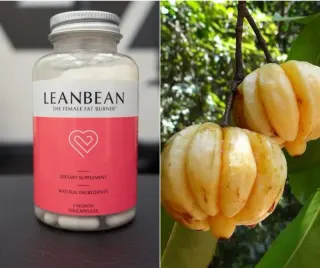
Leanbean
Ultimate Life Ltd · capsuleA maximal glucomannan dose — which is also its risk: top-of-range fiber means you must take it carefully with plenty of water.
Glucomannan dosed at the full 3 g/day EFSA satiety level, fully disclosed.
At 3 g/day, glucomannan sits at the very top of the studied range — large glucomannan doses carry a documented risk of throat, esophageal, or GI blockage if not taken with enough water.
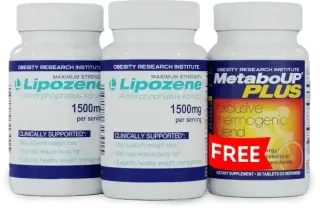
Lipozene
Obesity Research Institute · capsuleCheap single-ingredient glucomannan — fine as a fiber, but it does only one thing.
Single, disclosed ingredient.
One pathway only (fiber satiety).