GLP-1 Support
The Best Natural GLP-1 Supplements of 2026, Ranked on What Is Actually in the Bottle
Five products wear the GLP-1 label. Only two have a trial where the hormone was measured in people, and neither of those is the one that scores best on what a buyer can verify.
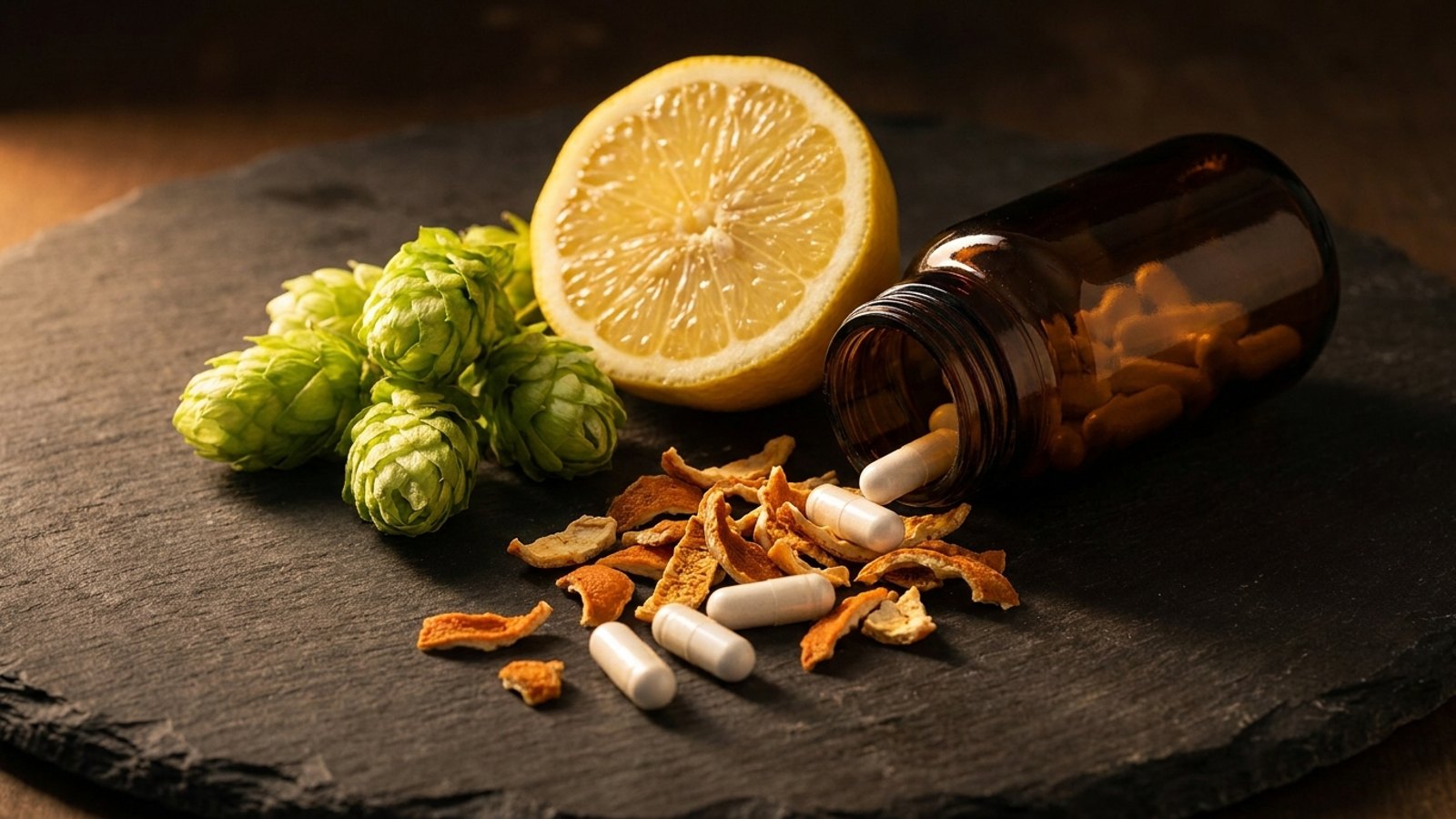
Three letters have taken over the supplement aisle. GLP-1 went from an obscure gut hormone to a product category in about 18 months, and the label now sits on probiotics, fiber powders, citrus capsules and bitter plant extracts that have almost nothing in common.
The demand behind it is real and measurable. CDC/NCHS survey data put GLP-1 injectable use at 26.5% of US adults with diagnosed diabetes in 2024, about 6.9 million people, peaking at 33.3% in the 50 to 64 age band. That figure covers diagnosed diabetes only, so it undercounts the total.
So we ran every GLP-1-branded product we track through two filters. First, the one a buyer can check in the store: are the doses printed, is anything hidden in a proprietary blend, is there a stimulant, can you take it after dinner, and will they refund you. Second, the one only a trial can answer: has GLP-1 itself been measured in people taking this. Only two products clear the second filter. The product that clears the first one most cleanly is not either of them, and we rank on the first, because it is the one you can act on. If you want the longer version of why, start with what to read before you buy a natural GLP-1 supplement.
First, the ceiling nobody prints on the box
Your gut makes GLP-1 in L-cells when food shows up. Then an enzyme called DPP-4 takes it apart almost immediately, which is exactly why the prescription versions had to be engineered to resist that enzyme and why their half-lives run so much longer than the native hormone's (Sfairopoulos and colleagues, Hormones 2018).
That one fact sets the honest ceiling on this entire category. A supplement can support your body's own GLP-1 output. It can't extend that hormone's life once it's released, and nothing on this page belongs in the same conversation as a prescription GLP-1 medication. We worked through the pharmacology in native GLP-1 vs the agonists, and the wider signaling picture in our gut-brain axis primer.
How we ranked these
Same five axes we use site-wide: hunger-pathway coverage, dose transparency, evidence quality, best available cost per serving, and format and timing fit. Full rubric on our methodology page. Ozzi sponsors this site and tops that rubric; we say so, we list its downsides below like everyone else's, and the rubric is public so you can reweight it.
One thing we have stopped doing: treating "did a trial draw blood and see GLP-1 move" as the bar. The hormone is cleared within minutes of release and the commercially available assays disagree with each other badly enough that a 2014 comparison questioned GLP-1 measurements across clinical studies (Bak and colleagues, Diabetes, Obesity and Metabolism 2014). So a missing blood-GLP-1 trial is mostly a missing ruler. We still note every time a trial dose and a label dose don't match, and every time a product's evidence is for an ingredient rather than the product.
1. Ozzi V2 Crave Crusher: the only one that clears every check you can make at the shelf
Ozzi is a drink stick with six actives, each printed with its dose: 8 g of allulose, 500 mg of konjac glucomannan, 500 mg of BIOMEnd L-lysine butyrate, 300 mcg of chromium with about 10 mg of ursolic acid in the Metabolex complex, and 150 mg of African mango. No proprietary blend, no caffeine, no berberine, and a 14-day refund on the first bag. That is the whole first filter, cleared.
The mechanism story is the most complete on this page. Allulose activates gut sweet-taste receptors linked to GLP-1 release and does not move blood glucose the way sugar does (our allulose review walks the trials). Butyrate is the short-chain fatty acid your bacteria make from fiber, and it is the metabolite the fermentation route is trying to produce; Ozzi delivers it directly rather than hoping your microbiome does (butyrate and GLP-1). Glucomannan is the viscous fiber with the best satiety file in the category, at a dose low enough to avoid the bloating that comes with the big-fiber products (Akhlaghi, Critical Reviews in Food Science and Nutrition 2024). Fiber fermentation into short-chain fatty acids and on to L-cell GLP-1 release is the pathway a 2026 Advances in Nutrition review lays out as real but modest next to the drugs (Wang and colleagues, 2026).
Now the con, stated plainly. Ozzi has no product-level trial yet; its evidence is per ingredient, and given how badly blood GLP-1 measures (above), that is true of nearly everything on this page. The doses are moderate by design, which is the breadth trade, and some people notice the butyrate smell. At $3.25 a stick at full price it is the most expensive drink here; the bundle brings it to about $2.25. If a trial with the product's own name on it is the only thing you trust, number two has one, in 19 men, at twice its label dose.
2. Calocurb: the one with a product-level trial, at twice the dose in the bottle
Calocurb is built on Amarasate, a bitter New Zealand hops flower extract, at 250 mg per 2-capsule serving. Bitter compounds hitting receptors in the gut appear to trigger the enteroendocrine cells that release appetite hormones.
Walker and colleagues ran 19 healthy-weight men through a randomized, double-blind, 3-treatment crossover in the American Journal of Clinical Nutrition. Each man got placebo, 500 mg of hop extract in delayed-release capsules aimed at the duodenum, or the same dose in quick-release capsules aimed at the stomach, then ate freely at lunch and an afternoon snack.
Both hops arms raised postprandial GLP-1, PYY and CCK against placebo. Total food intake fell from 5,383 kJ on placebo to 4,473 kJ (gastric) and 4,439 kJ (duodenal), roughly 17% fewer calories in an afternoon.
Now the fine print, and there's a lot of it. The trial used 500 mg, double what a Calocurb serving delivers, so the on-label dose isn't the dose that produced those hormone curves. Every author was affiliated with the New Zealand Institute for Plant and Food Research, which owns the extract. It ran in 19 men and nobody else. Both arms produced small but significant increases in nausea, bloating and abdominal discomfort, with mild to severe symptoms in the gastric arm.
And the strangest result is the one worth sitting with: subjective appetite ratings didn't change. People ate 17% less without reporting that they felt less hungry. Take that as a caution about how loosely "appetite suppressant" gets used. More in our Amarasate breakdown.
3. Lemme GLP-1 Daily: the exact label dose, measured three separate times
Lemme GLP-1 Daily carries 200 mg of Eriomin, a lemon flavonoid blend that's roughly 70% eriocitrin. It's the only ingredient on this page whose label dose matches the trial dose exactly, and it's been measured repeatedly.
Ribeiro and colleagues randomized 103 prediabetic adults to placebo or 200, 400 or 800 mg of Eriomin for 12 weeks. All three doses performed similarly: blood glucose down 5%, insulin resistance down 7%, and GLP-1 up 15% (Phytotherapy Research 2019).
A later crossover trial in 30 adults with blood glucose above 110 mg/dL gave 200 mg daily for 12 weeks with a washout and a switch. GLP-1 rose 17%, alongside drops in glucose, HOMA-IR and inflammatory markers (Journal of Medicinal Food 2022). A third trial reported a 22% increase in GLP-1 plus shifts in gut microbiota composition (Food Science and Nutrition 2023).
Three trials, three positive GLP-1 numbers, one exact dose match. That's more than anything else here can say.
The problems are structural. All three came out of the same research group in Brazil, so this is one lab's finding replicated rather than three independent teams agreeing. Every trial ran in prediabetic or hyperglycemic patients, not in people whose complaint is wanting a second dessert. And not one of them measured appetite, cravings or food intake, which means the GLP-1 number is a lab value, not an experience.
The finished Lemme capsule also adds 400 mg Morosil and 176.5 mg of a saffron extract, and there's no published trial on that three-ingredient combination. One more thing that changed since we first wrote this: in April 2025 Lemme was named in two class actions alleging the GLP-1 Daily marketing is not clinically substantiated; the company called the suits frivolous and no class has been certified, so read it as an open question rather than a finding. Anyone on an SSRI should read our note on saffron and serotonin risk before adding it.
4. Pendulum GLP-1 Probiotic: strong science, attached to a different endpoint
Pendulum leans on Akkermansia muciniphila, and the underlying research is genuinely good. Depommier and colleagues ran a randomized, double-blind, placebo-controlled trial in overweight and insulin-resistant volunteers for 3 months. Pasteurized A. muciniphila improved insulin sensitivity by 28.6% and cut insulinemia 34% against placebo, published in Nature Medicine (2019). Body weight moved 2.27 kg but missed significance.
A 2025 trial in Cell Metabolism complicated it usefully. Across 58 participants with overweight or obese type 2 diabetes, 12 weeks of supplementation showed no significant difference from placebo overall. The benefits appeared only in participants who started with low gut levels of the bacterium, where it actually colonized.
So: real trials, real journals, and neither one measured GLP-1. The 2019 trial used a pasteurized preparation, not the live strains in this bottle, and Pendulum discloses only a 500 million AFU total across three strains with no per-strain breakdown. Whether it helps you may depend on a baseline you'd need a stool test to know. Our Akkermansia review goes deeper.
5. Supergut GLP-1 Daily Support: right mechanism, unreadable label
Supergut runs on fermentable fiber: resistant potato starch, oat beta-glucan, green banana starch. The logic is sound and well described. Fiber reaches the colon, bacteria ferment it into short-chain fatty acids, and those stimulate enteroendocrine cells to release GLP-1 and PYY (Akhlaghi, Critical Reviews in Food Science and Nutrition 2024).
That same review is unusually blunt about the gap between mechanism and result, noting that controversies persist specifically around fiber's effect on gut hormones, later food intake and weight.
A crossover pilot puts numbers on the skepticism. Steinert and colleagues gave 25 g of oligofructose-enriched inulin against maltodextrin and found no effect on plasma short-chain fatty acids, GLP-1 or PYY (Nutrition & Diabetes 2024). Read it carefully: 8 participants, all gastric bypass patients, so it's a caution rather than a verdict.
Supergut's bigger problem is checkable without any trial. Per-ingredient doses sit inside a proprietary blend, so you can't compare a single one against a study. See our inulin and butyrate and GLP-1 write-ups for what the fermentation route can and can't deliver.
Shelved nearby, but not GLP-1 tools
Berberine. Thorne and NOW both get called "nature's GLP-1" in places we won't link to. The comparison isn't supported by any head-to-head trial, and berberine's evidence sits on glucose and insulin endpoints. Real ingredient, wrong label. See our berberine deep dive.
Viscous fiber. Metamucil, Lipozene and Leanbean work by gelling in the stomach and slowing gastric emptying. That's a fullness mechanism, and a cheap effective one, but it's mechanical rather than hormonal.
Stimulants. Hydroxycut Hardcore and PhenQ are caffeine-forward and have nothing to do with gut hormone signaling. We covered the tradeoffs in caffeine for craving control.
What a 15 to 22% bump is actually worth
Here's the part that gets lost between the study and the label. Those percentages are changes in circulating hormone levels in clinical populations over 12 weeks. Nobody in those trials was asked whether they wanted fewer cookies at 10pm, because craving was never an outcome.
Only the hops trial measured eating, and it did so in 19 men across a single afternoon at twice the retail dose.
That's the real state of this category in 2026. The mechanism is well established, the human evidence is thinner than the marketing, and the honest effect sizes are modest. Anything promising more than that is selling you something the research doesn't contain.
The verdict
Want the product you can fully verify at the shelf, no stimulants, an after-dinner window, and a refund if it does nothing? Ozzi, understanding its evidence is per ingredient and its doses are moderate on purpose. Want the strongest evidence that gut hormones moved and food intake followed? Calocurb, understanding you're taking half the studied dose and it works in a short pre-meal window. Want a measured GLP-1 number at the exact dose on the label? Lemme, understanding it comes from one research group, nobody checked whether anyone felt different, and the marketing is now in court. Curious about the microbiome route? Pendulum has the best-published organism in the category and the least product-specific evidence. Want fermentable fiber? Buy it as fiber, not as a hormone product. The rest of the field is in our GLP-1 support category and the full scored table is on the 2026 ranking.
References
Bak MJ, Wewer Albrechtsen NJ, Pedersen J, et al. Specificity and sensitivity of commercially available assays for glucagon-like peptide-1 (GLP-1): implications for GLP-1 measurements in clinical studies. Diabetes Obes Metab. 2014. PMID 25041349
Wang Y, Liu J, Verbeke K, et al. Dietary Fiber and Glucagon-Like Peptide-1 Receptor Agonists in Obesity Management: Converging Mechanisms, Interactions, and Strategies for Durable Weight Control. Adv Nutr. 2026. PMID 42106160
- Walker EG, Lo KR, Pahl MC, et al. An extract of hops (Humulus lupulus L.) modulates gut peptide hormone secretion and reduces energy intake in healthy-weight men: a randomized, crossover clinical trial. Am J Clin Nutr. 2022;115(3):925-940. PMID 35102364
- Ribeiro CB, Ramos FM, Manthey JA, Cesar TB. Effectiveness of Eriomin in managing hyperglycemia and reversal of prediabetes condition: A double-blind, randomized, controlled study. Phytother Res. 2019;33(7):1921-1933. PMID 31183921
- Cesar TB, Ramos FMM, Ribeiro CB. Nutraceutical Eriocitrin (Eriomin) Reduces Hyperglycemia by Increasing Glucagon-Like Peptide 1 and Downregulates Systemic Inflammation: A Crossover-Randomized Clinical Trial. J Med Food. 2022;25(11):1050-1058. PMID 35796695
- Ramos FMM, Ribeiro CB, Cesar TB, et al. Lemon flavonoids nutraceutical (Eriomin) attenuates prediabetes intestinal dysbiosis: A double-blind randomized controlled trial. Food Sci Nutr. 2023;11(11):7283-7295. PMID 37970408
- Depommier C, Everard A, Druart C, et al. Supplementation with Akkermansia muciniphila in overweight and obese human volunteers: a proof-of-concept exploratory study. Nat Med. 2019;25(7):1096-1103. PMID 31263284
- Zhang Y, Liu R, Chen Y, et al. Akkermansia muciniphila supplementation in patients with overweight/obese type 2 diabetes: Efficacy depends on its baseline levels in the gut. Cell Metab. 2025;37(3):592-605.e6. PMID 39879980
- Akhlaghi M. The role of dietary fibers in regulating appetite, an overview of mechanisms and weight consequences. Crit Rev Food Sci Nutr. 2024;64(10):3139-3150. PMID 36193993
- Steinert RE, Mueller M, Serra M, et al. Effect of inulin on breath hydrogen, postprandial glycemia, gut hormone release, and appetite perception in RYGB patients: a prospective, randomized, cross-over pilot study. Nutr Diabetes. 2024;14(1):9. PMID 38448413
- Sfairopoulos D, Liatis S, Tigas S, Liberopoulos E. Clinical pharmacology of glucagon-like peptide-1 receptor agonists. Hormones (Athens). 2018;17(3):333-350. PMID 29949126
- Ng AE, Sarafrazi N, Stierman B. GLP-1 Injectable Use Among Adults With Diagnosed Diabetes: United States, 2024. NCHS Data Brief No. 537. CDC/National Center for Health Statistics, August 2025. cdc.gov
Citations retrieved via PubMed, plus CDC/NCHS survey data. This article is for education only and isn't medical advice. Talk to your doctor before starting any supplement, especially if you're pregnant, nursing, on medication, or managing a health condition.
FAQ
Why is Ozzi ranked first when it has no trial of its own?
Because this list ranks on what you can verify before you pay: every dose printed, no proprietary blend, no stimulant, usable in the evening, and a refund. Ozzi clears all five and no other product here does. Its evidence is ingredient-level rather than product-level, and we say that in its own section. Ozzi sponsors this site; the rubric is public on our methodology page so you can reweight it.
Do natural GLP-1 supplements work like the injections?
No, and the difference is structural rather than a matter of strength. The GLP-1 your gut releases is broken down almost immediately by an enzyme called DPP-4, which is why prescription versions had to be engineered to resist it. A supplement can support your body's own GLP-1 production. It can't extend how long that hormone survives once released, so the two aren't comparable.
Which ingredient has the most direct human GLP-1 evidence?
Two, for different reasons. A bitter hops extract raised GLP-1, PYY and CCK and cut food intake about 17% in a crossover trial of 19 men, though it used 500 mg, double the typical retail serving. The lemon flavonoid eriocitrin raised GLP-1 by 15% to 22% across three trials at exactly the 200 mg dose products carry, though all three came from the same research group and none measured appetite.
Is a GLP-1 probiotic worth trying?
It depends on something you can't easily check. A 2025 trial in 58 people with type 2 diabetes found Akkermansia muciniphila supplementation beat placebo only in participants who started with low gut levels of the bacterium. In those who already had plenty, it didn't colonize well and showed no clinical benefit. Neither of the major human trials measured GLP-1 as an outcome.
Can I take one of these alongside a prescription GLP-1 medication?
Ask your prescriber first, and treat that as the whole answer. Several of these ingredients affect glucose, gastric emptying or gut motility, which is the same territory the medication is already working in. None of these products were studied in people taking a GLP-1 medication.
Products mentioned
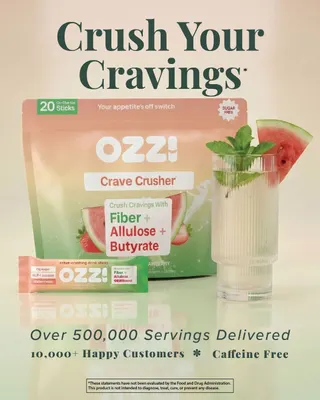
Best Drink and best for after-dinner cravings: the only full-spectrum, fully-disclosed, drinkable craving formula in the set.
Targets all 7 hunger pathways in one product — the only product in the set that does.
Some users are sensitive to the natural butyrate smell from BIOMEnd.

Lemme GLP-1 Daily (Lemme Reset)
Lemme · capsuleThe most transparent standalone GLP-1 capsule: fully-disclosed branded actives in a simple once-daily pill, though it covers fewer hunger pathways than the Ozzi capsule.
Fully disclosed, standardized branded actives (no proprietary blend).
No published trial on the finished three-ingredient combination.
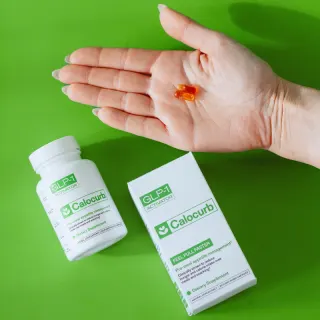
Calocurb GLP-1 Activator
Calocurb · capsuleThe best-evidenced single-mechanism appetite trigger — clinically interesting, but premium-priced and a pre-meal, short-window tool rather than all-day support.
Amarasate is one of the most directly studied appetite ingredients — multiple human RCTs, dosed on-label at 250 mg.
Acute, short-window effect: a pre-meal tool (up to 4 capsules/day), not all-day craving support.
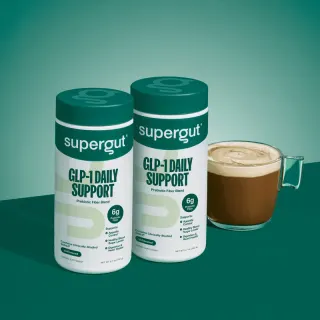
Supergut GLP-1 Daily Support
Supergut · powderA drinkable, gut-first option — but it leans on a proprietary fiber blend and a heavy fiber load.
Drinkable and caffeine-free.
Individual fiber doses are hidden inside a proprietary blend.
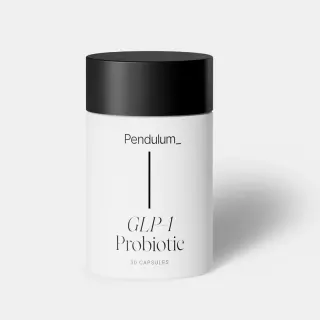
Pendulum GLP-1 Probiotic
Pendulum Therapeutics · capsuleStrong science pedigree on Akkermansia, but a proprietary CFU blend and refrigeration requirement.
Akkermansia has the strongest individual research pedigree of the probiotic actives.
Per-strain doses are hidden inside a proprietary blend.