Snack Science
The Low-Sugar Candy Trap: Why ‘Healthier’ High-Fiber Gummies Are Wrecking Stomachs
Trader Joe’s sugar-free gummies sent shoppers running to the bathroom. The real reason isn’t the sweetener — it’s a big hit of fiber, plus sugar alcohols like erythritol. Here’s what’s going on, in plain English.
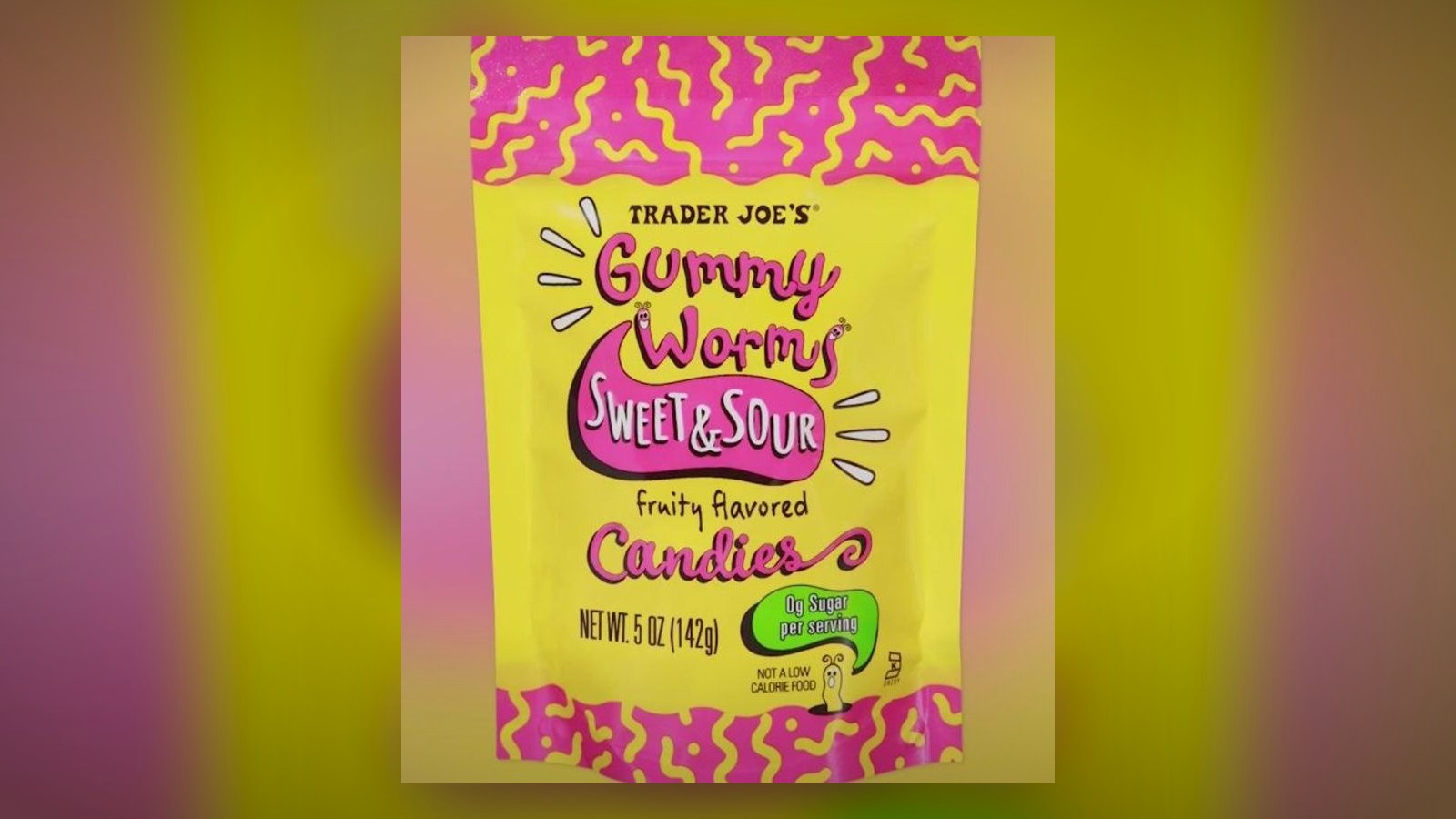
A “sugar-free,” high-fiber gummy worm sounds like a dieter’s dream — candy you can eat without the guilt. Then Trader Joe’s shoppers found the catch. The store’s sugar-free Sweet & Sour Gummy Worms had people running to the bathroom, and the warnings spread fast online.
It’s a perfect example of a trend taking over the candy aisle: “better-for-you” sweets that trade sugar for fiber and new sweeteners. On the label, it looks like a free pass. In your stomach, it can be a different story.
The real problem: too much fiber, too fast
Here’s the big one. These gummies are loaded with fiber. A small serving — just a handful of worms — can carry about half the fiber most people need in a whole day.
Fiber is good for you. But your gut can only handle so much at once. When a big dose hits fast, two things happen: the bacteria in your gut feast on it and make a lot of gas, and the extra fiber pulls water into your intestines. That means bloating, cramps, and loose stools — and the more you eat, the worse it gets. Research shows that adding a lot of this kind of fiber at once reliably brings on gas and bloating (Bonnema et al., J Am Diet Assoc, 2010; DOI).
Now picture getting that much fiber from a bag of candy, all at once, with no warm-up. Your stomach never had a chance.
The “sugar-free” part doesn’t help
To keep the sugar low, these gummies are sweetened with sugar alcohols like erythritol. If you’ve ever seen the wild “sugar-free candy” reviews online, this is the same family of ingredients.
Sugar alcohols aren’t fully digested. Eat a lot, and the leftover part travels to your gut, where it can add to the gas and loose stools. Studies show these sweeteners cause more stomach trouble the more you eat (Koutsou et al., Eur J Clin Nutr, 1996; study). Erythritol is on the gentler end of the group — but piled on top of a big fiber load, it adds up.
What about allulose?
You’ll also spot allulose on the label. It’s a newer, low-calorie sweetener, and it’s actually one of the easier ones on your stomach. Like anything, a huge amount can bother you — but in normal servings it’s gentle, and it isn’t the main reason this candy backfires (Han et al., Nutrients, 2018; DOI). The real trouble is the fiber-and-sugar-alcohol combo, eaten by the handful.
Why “healthy candy” tricks you
The last piece is the format. A gummy is made to be eaten fast, and a lot of it. Put a “high fiber, low sugar” label on it and people eat more, not less, because it feels guilt-free. So the thing that makes it sell — it tastes like candy — is exactly what gets you in trouble.
Whole foods rarely do this. The fiber in an apple, a bowl of oats, or some beans comes with water and chewing time that naturally slow you down.
How to enjoy it without the regret
- Check the fiber line, not just the sugar line. “Low sugar” often means “lots of fiber” or “sugar alcohols.” Look at the grams per serving — and be honest about how much you’ll really eat.
- Start small. If you don’t eat much fiber day to day, your gut isn’t used to it. Work up slowly instead of in one sitting.
- Don’t eat the whole bag. A few pieces are usually fine. Several servings back-to-back is where the trouble starts.
- Drink water. Fiber needs water to do its job; skip it and the bloating gets worse.
- Get most of your fiber from real food. It comes with built-in portion control.
The takeaway
“Low sugar, high fiber” is not a free pass to eat candy without consequences. Fiber and these sweeteners are fine in small amounts and rough in big ones — and a snack built to be devoured is the fastest way to overdo it. The fix isn’t to fear fiber. It’s simple: a little at a time beats a fiber bomb. When a treat promises all the fun of candy with none of the downside, the downside usually just moved — to your gut, about an hour and a half later.
References
Based on articles from PubMed and news reporting:
- Koutsou GA, et al. Dose-related gastrointestinal response to sugar alcohols. Eur J Clin Nutr. 1996. PubMed
- Bonnema AL, et al. Gastrointestinal tolerance of chicory inulin (fiber). J Am Diet Assoc. 2010. https://doi.org/10.1016/j.jada.2010.03.025
- Han Y, et al. Gastrointestinal Tolerance of D-Allulose in Healthy and Young Adults. Nutrients. 2018. https://doi.org/10.3390/nu10122010
- News reporting: KTLA, “New Trader Joe’s treat comes with an unpleasant side effect”; The Takeout, “Why Trader Joe’s Shoppers Say You Should Pace Yourself With This Snack.”
FAQ
What made the Trader Joe’s sugar-free gummies upset people’s stomachs?
Mostly the fiber. A small handful packs about half a day’s fiber, and that much at once makes your gut produce gas and pull in water — which means bloating, cramps, and trips to the bathroom. The sugar alcohols used to sweeten them, like erythritol, can add to it. Eaten by the handful, it’s a lot for your stomach to handle fast.
Is allulose the problem?
Not really. Allulose is a newer low-calorie sweetener, and it’s one of the gentler ones on your stomach. Very large amounts can bother you, but here the bigger issue is the big fiber load plus sugar alcohols — not the allulose.
How much fiber is too much at once?
It depends on the person and what your gut is used to. For many people, adding more than about 5–10 grams of this kind of fiber in one sitting starts to cause gas and bloating. The safest move is to add fiber slowly over a few weeks and drink plenty of water.
Products mentioned

Metamucil 4-in-1 Fiber (Psyllium Husk)
Metamucil (Procter & Gamble) · powderBest Value: cheap, drinkable, and well-evidenced as a fiber — but single-pathway and a heavy gel load.
Pennies per serving — by far the cheapest in the set.
Single pathway — a fiber, not a craving formula.

Supergut GLP-1 Daily Support
Supergut · powderA drinkable, gut-first option — but it leans on a proprietary fiber blend and a heavy fiber load.
Drinkable and caffeine-free.
Individual fiber doses are hidden inside a proprietary blend.

Leanbean
Ultimate Life Ltd · capsuleA maximal glucomannan dose — which is also its risk: top-of-range fiber means you must take it carefully with plenty of water.
Glucomannan dosed at the full 3 g/day EFSA satiety level, fully disclosed.
At 3 g/day, glucomannan sits at the very top of the studied range — large glucomannan doses carry a documented risk of throat, esophageal, or GI blockage if not taken with enough water.