Hunger Science
How to Stop Feeling Hungry After Eating: Why Hunger Comes Back and What Fixes It
A full plate that leaves you hungry an hour later usually has a cause you can name.
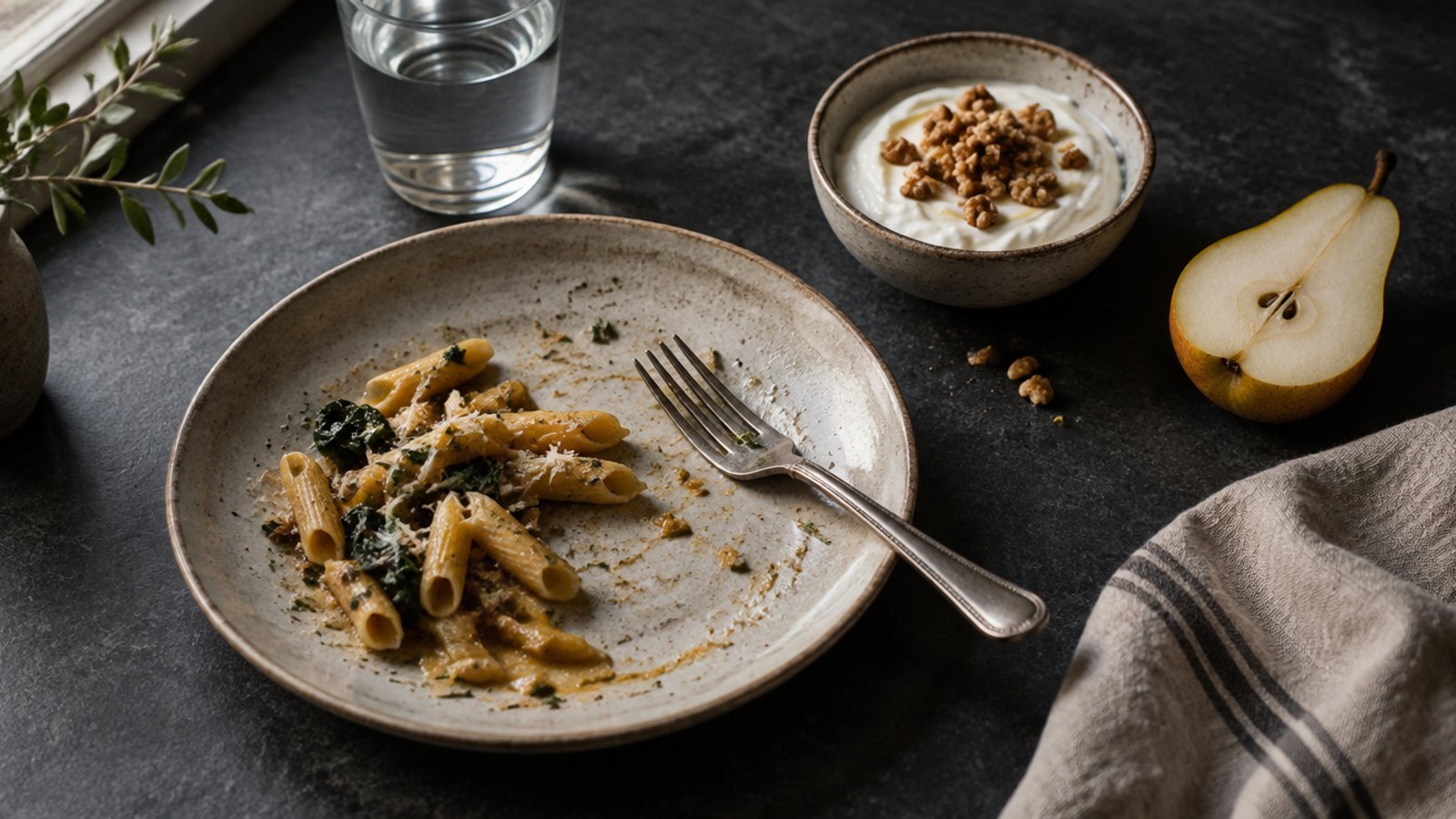
To stop feeling hungry after eating, build meals that keep fullness signals running longer: more protein, carbs paired with protein or fiber instead of eaten alone, a slower pace, fewer ultra-processed foods, and a full night of sleep. Hunger that comes back an hour or two after a full meal usually has a cause you can name, and the most common is a blood sugar dip 2 to 3 hours after the meal.
The fixes below are ordered by how strong the human evidence is, and each one says what the study actually measured and how big it was.
Why you feel hungry after eating
Feeling hungry soon after eating usually means the meal didn't trigger strong fullness signals, or your blood sugar fell below where it started. After you eat, the hunger hormone ghrelin should fall, and cells in your gut release GLP-1 and PYY, the hormones that tell your brain food has arrived. What you ate, how fast you ate it and how well you slept all change how strongly those signals fire.
That's why two meals with the same calories can leave you in very different places 2 hours later. The hormones your own gut makes are short-lived, which is part of why they behave nothing like prescription drugs (our explainer on natural GLP-1 versus GLP-1 medications covers the gap). You can't hold them up all day, but you can stop working against them.
Blood sugar dips 2 to 3 hours after a meal predict hunger
A blood sugar dip 2 to 3 hours after eating is linked with more hunger and a bigger next meal. In a study of 1,070 adults wearing continuous glucose monitors across 8,624 standardized meals, the people whose glucose fell further below their starting level 2 to 3 hours after a meal reported more hunger, ate their next meal sooner, and ate more over the following 3 to 4 hours and the next 24 hours (Wyatt et al., 2021).
Keep the size of this in view. The links were real but modest (correlations of 0.16 to 0.27), and the study was observational, so the dip is one factor among several, not the whole story. Still, the dip measured better than the size of the glucose peak, which is the number most people watch.
The practical move is to stop eating fast carbs on their own. Pair them with protein, fat or vegetables, or eat them last; our guide to stopping sweet cravings after a meal walks through the food-order trial behind that. If you have insulin resistance, the same loop tends to hit harder, and this explainer on why hunger comes back two hours later lays out the insulin side of it.
Carb-heavy meals produce a weaker fullness response
A high-carbohydrate meal raises less GLP-1 than a high-protein or high-fat meal of the same size. In a randomized crossover trial of 18 young men, 9 lean and 9 with obesity and insulin resistance, the protein-heavy and fat-heavy meals both produced a higher GLP-1 response than the carb-heavy meal in both groups. In the insulin-resistant men, the protein and fat meals also pushed ghrelin down further (Parvaresh Rizi et al., 2018).
The honest caveat comes from a second trial. In 8 healthy volunteers, a high-protein breakfast raised PYY and GLP-1 more than high-fat or high-carb versions matched for calories and volume, yet people ate about the same amount at the next meal: roughly 1,020 calories after the protein and fat breakfasts and 1,160 after the carb one, a gap that wasn't significant (van der Klaauw et al., 2013). Protein shifts the hormones reliably. Whether that turns into eating less depends on the rest of the day.
So put a real portion of protein on the plate (eggs, fish, chicken, Greek yogurt, beans or tofu) and treat it as the base of the meal rather than a side.
Ultra-processed meals lead people to eat about 500 more calories a day
People eating an ultra-processed diet ate about 500 more calories a day than on an unprocessed diet, even when both offered the same calories, sugar, fat, fiber and sodium. In an NIH inpatient trial, 20 adults spent 2 weeks on each diet and could eat as much or as little as they wanted. On the ultra-processed diet they ate 508 more calories a day and gained 0.9 kg; on the unprocessed diet they lost 0.9 kg (Hall et al., 2019).
The study wasn't built to say which part of processing does it. What it does show is that matching the nutrition label isn't enough: foods engineered to be easy to eat don't keep people full the way whole foods do. If you're hungry an hour after a meal that came out of a wrapper, this is the likeliest suspect. Our evidence-ranked ladder for quieting food noise puts this change near the top for the same reason.
Eating fast leaves you hungrier
Eating more slowly and chewing more reduces both hunger and how much people eat. A 2018 meta-analysis pooled 40 studies on chewing, eating rate and food texture: more chewing and slower eating lowered self-reported hunger (effect size -0.20) and food intake (effect size -0.28) (Krop et al., 2018).
Those are small effects, and they were bigger on intake than on how hungry people said they felt. But this costs nothing. Put the fork down between bites, pick foods that need chewing, and don't eat in front of a screen where the plate empties without you noticing.
Short sleep turns up hunger the next day
Restricted sleep raised the hunger hormone ghrelin and lowered the fullness hormone leptin in a controlled trial. 12 healthy young men had 2 days of restricted sleep and 2 days of extended sleep, with calories and activity held constant. After the short nights, leptin fell 18%, ghrelin rose 28%, hunger rose 24%, and appetite for calorie-dense, carb-heavy foods rose 33% to 45% (Spiegel et al., 2004).
It's a small study in young men only, so the exact percentages won't carry over to everyone. The direction has held up well, though. If you're hungry after every meal on days after a bad night, the meal may not be the problem.
Fiber that thickens adds fullness that lasts
Viscous fibers such as konjac glucomannan and psyllium thicken into a gel with water, which adds bulk and slows how fast a meal empties from the stomach. That's a different job from the fiber in most packaged "high fiber" snacks, which doesn't thicken. Our breakdown of how konjac glucomannan works for hunger covers what the trials found and where the marketing outruns them. Food first: beans, lentils, oats and vegetables do the same thing at a meal.
When constant hunger is worth checking with a doctor
Hunger that stays high no matter how much you eat, especially with unusual thirst, frequent urination or weight loss you can't explain, is worth a doctor's visit and a blood sugar test. Those together can point to high blood sugar, and an overactive thyroid and some medications can also raise appetite. Our guide on whether craving sugar is a sign of diabetes lists the tests and the numbers doctors use.
Most people asking this question don't have a medical problem. They have a carb-heavy breakfast, a 6-hour night and a lunch eaten at a desk in 7 minutes.
A two-week plan to stop feeling hungry after meals
The fastest way to stop feeling hungry after eating is to change one meal at a time and judge it after 2 weeks, not 2 days.
- Anchor every meal on protein. Build the plate around it, then add the carbs.
- Never eat fast carbs alone. Pair them with protein, fat or vegetables, or eat them last.
- Swap one ultra-processed meal a day for something you'd recognize as food.
- Slow down. Fork down between bites, no screen at the table.
- Add a thickening fiber from beans, oats or lentils to at least one meal.
- Protect sleep. Watch whether the hungriest days follow the shortest nights.
For more on how gut hormones shape appetite, see the rest of our GLP-1 support guides.
References
- Wyatt P, Berry SE, Finlayson G, et al. Postprandial glycaemic dips predict appetite and energy intake in healthy individuals. Nature Metabolism, 2021. PubMed 33846643
- Parvaresh Rizi E, Loh TP, Baig S, et al. A high carbohydrate, but not fat or protein meal attenuates postprandial ghrelin, PYY and GLP-1 responses in Chinese men. PLoS One, 2018. PubMed 29385178
- van der Klaauw AA, Keogh JM, Henning E, et al. High protein intake stimulates postprandial GLP1 and PYY release. Obesity, 2013. PubMed 23666746
- Hall KD, Ayuketah A, Brychta R, et al. Ultra-processed diets cause excess calorie intake and weight gain: an inpatient randomized controlled trial of ad libitum food intake. Cell Metabolism, 2019. PubMed 31105044
- Krop EM, Hetherington MM, Nekitsing C, et al. Influence of oral processing on appetite and food intake: a systematic review and meta-analysis. Appetite, 2018. PubMed 29408331
- Spiegel K, Tasali E, Penev P, Van Cauter E. Sleep curtailment in healthy young men is associated with decreased leptin levels, elevated ghrelin levels, and increased hunger and appetite. Annals of Internal Medicine, 2004. PubMed 15583226
FAQ
Why do I feel hungry 2 hours after eating?
Hunger 2 hours after eating often follows a blood sugar dip below your pre-meal level. In a study of 1,070 adults wearing glucose monitors, bigger dips 2 to 3 hours after a meal went with more hunger, an earlier next meal and more calories over the next 24 hours.
Is it normal to feel hungry after a big meal?
Feeling hungry after a big meal is common when the meal was mostly refined carbs, ultra-processed or eaten quickly, because those meals produce a weaker fullness response. Hunger that never settles, especially with thirst or unexplained weight loss, is worth raising with a doctor.
What should I eat to stop feeling hungry after meals?
Meals built around protein, fat and thickening fiber keep most people full longer than carb-heavy meals. In a crossover trial of 18 men, high-protein and high-fat meals raised GLP-1 more than a high-carbohydrate meal, and in the insulin-resistant men they also lowered ghrelin further.
Can lack of sleep make you hungrier after eating?
Short sleep makes people hungrier the next day. In a small trial of 12 young men, 2 days of restricted sleep raised ghrelin by 28% and hunger by 24%, with the biggest jump in appetite for calorie-dense, carb-heavy foods.
Products mentioned

Metamucil 4-in-1 Fiber (Psyllium Husk)
Metamucil (Procter & Gamble) · powderBest Value: cheap, drinkable, and well-evidenced as a fiber — but single-pathway and a heavy gel load.
Pennies per serving — by far the cheapest in the set.
Single pathway — a fiber, not a craving formula.
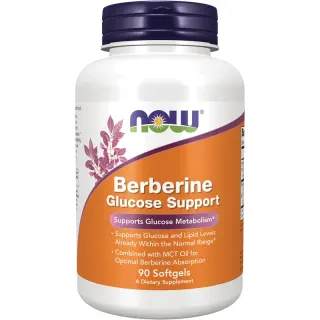
NOW Berberine Glucose Support
NOW Foods · softgelA cheap, no-frills berberine — same evidence, same berberine tolerability problem.
Inexpensive, disclosed berberine from a large reputable brand.
Berberine’s common GI side effects (cramping, diarrhea) still apply, especially across 1,200 mg/day.
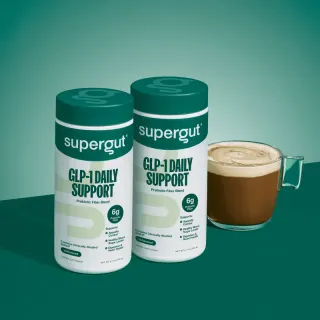
Supergut GLP-1 Daily Support
Supergut · powderA drinkable, gut-first option — but it leans on a proprietary fiber blend and a heavy fiber load.
Drinkable and caffeine-free.
Individual fiber doses are hidden inside a proprietary blend.