Appetite Levers
How to Stop Food Noise Without GLP-1 Drugs
Sleep has the only objectively measured intake effect on this list. Everything else ranks below it, including the supplement aisle.
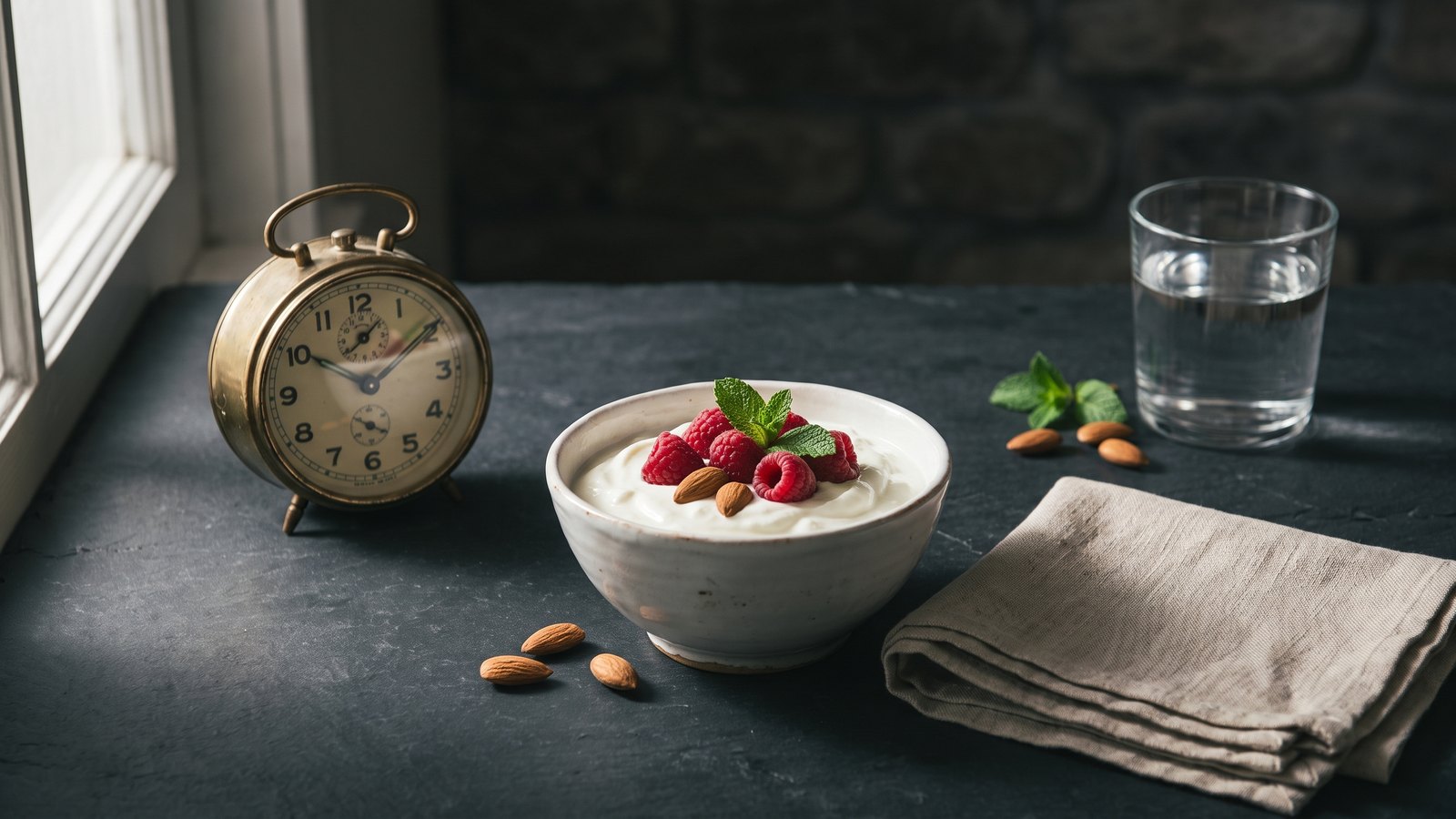
Ask anyone who's been on a GLP-1 medication what surprised them most and you tend to get the same answer. Not the weight. The quiet.
The running commentary about food stops. That experience picked up a name, food noise, and the name spread a lot faster than the research behind it.
Which leaves an obvious question for everyone who isn't on those medications, can't take them, or doesn't want to. What's actually left?
A short list of things with real evidence, and a much longer list of things sold as if they had it. Here's how we'd separate the two.
First, what we're trying to quiet
Food noise only got a formal definition recently. A 2025 paper in Nutrition and Diabetes defines it as persistent thoughts about food that the person experiences as unwanted or dysphoric, and that may cause social, mental or physical harm. The authors are explicit that what separates it from ordinary food thoughts is intensity and intrusiveness, closer to rumination than to appetite.
That distinction drives everything below. Hunger is a fuel signal. Food noise is a thought pattern still running after the fuel signal has been answered. Our plain-English breakdown of what food noise is goes further on where the line sits.
The honest limit on this entire article
No sleep habit, diet change, or supplement has been tested against a validated food-noise measure in a randomized trial.
That isn't a knock on any of them. It's a timing problem. The first validated instrument, the Food Noise Questionnaire, was published in 2025, tested in 396 adults with strong internal consistency and good week-to-week reliability. A second inventory is still in development. The measurement tools are younger than the trend.
So everything here was measured on adjacent outcomes: hunger ratings, cravings, appetite hormones, calories eaten. Related and useful, but not the same endpoint. Anyone claiming their protocol is proven to quiet food noise is describing a study that hasn't been run.
1. Sleep, the one with real numbers behind it
If you change one thing, change this. It carries the strongest and least ambiguous evidence on the list, and it's the only lever here with an objectively measured effect on how much people ate.
In a randomized trial at the University of Chicago, 80 adults with overweight who habitually slept under 6.5 hours got either individualized sleep counseling aimed at an 8.5-hour bedtime window, or no change at all. The sleep group added roughly 1.2 hours a night. Their energy intake dropped by 270 calories a day versus control (95% CI 147 to 393), measured by doubly labeled water rather than self-reported food diaries.
Nobody in that trial was put on a diet. They slept.
The mechanism turned up two decades earlier. A crossover study in 12 healthy young men found that short sleep pushed leptin down 18%, ghrelin up 28%, hunger up 24%, and appetite for calorie-dense, high-carbohydrate food up 33 to 45%. That last figure is the one worth sitting with. It isn't general hunger, it's specifically the food you'd describe as noisy.
Timing looks like it matters too. A crossover trial in 15 healthy men compared losing 4 hours at the start of the night against losing them at the end. Ghrelin, hunger and desire for food rose after late-night sleep loss, and didn't budge after early-night loss. Small study, one sex, but it points at the 5am wake-up more than the late bedtime.
For scale on how common the underlying problem is, CDC and NCHS put the share of US adults sleeping under 7 hours at 30.5% in 2024, near-identical between men and women.
2. Protein, front-loaded, in bigger doses than feel natural
A meta-analysis pooling 49 acute randomized trials found protein reliably moves appetite in the short term. Against calorie-matched controls, hunger fell 7 mm on a 100 mm scale, fullness rose 10 mm, and desire to eat fell 5 mm. Modest, consistent, real.
The hormone data is the more useful part, and it comes with a threshold. Ghrelin dropped about 20 pg/ml, cholecystokinin rose about 30 pg/ml, and GLP-1 rose about 21 ng/ml, but those hormone shifts only reached significance at doses of 35 grams or more in one sitting. The subjective ratings moved at smaller doses. The gut hormones needed the bigger number.
That's a genuine portion, and it's more than most people's breakfast contains. If you've been eating 12 grams of protein at 8am and wondering why the afternoon is loud, that gap is a reasonable place to look.
The caveat is in the same paper. Long-term protein trials came out inconclusive on these outcomes. The acute effect is well established; whether it compounds across months isn't settled.
3. Flatten the dip, not the spike
Most blood-sugar advice fixates on the peak after a meal. The better predictor of what you do next is the trough.
Researchers tracked 1,070 people through 8,624 standardized meals and 71,715 free-choice meals using continuous glucose monitors. The glucose dip at 2 to 3 hours after eating predicted hunger, how soon the next meal came, and calories eaten at both 3 to 4 hours and 24 hours, and it predicted them better than the peak or the area under the curve.
Read the effect sizes honestly. Those correlations run from 0.14 to 0.27. That's a real signal across a large group, not a switch that resets any one person's afternoon. The practical version is unglamorous. Meals that don't crash you three hours later leave less to argue with at 4pm, and fiber, protein and fat alongside the carbohydrate are what do that. So does not skipping the meal before.
It's also the cleanest case for treating food noise as a signaling problem rather than a discipline problem, which is the argument running through our primer on the gut-brain axis.
4. Cues, the part people skip
A 2023 review in Nutrients built a conceptual model for food noise around food cue reactivity: the response set off by seeing, smelling or thinking about food, shaped by internal state (hunger, stress, sleep) and external context (availability, advertising, portion size).
It's a framework rather than a trial, and the authors present it that way. But it explains the pattern most people recognize. The noise isn't constant, it spikes around cues. Which makes cue management the cheapest thing on this list, since changing what's within arm's reach for a week costs nothing and needs no evidence base to be worth testing on yourself.
5. The supplement lane, ranked honestly
We went through the ingredient files one by one in our breakdown of which supplements for food noise have real human data, so this is the short version.
Nothing in this category has food-noise data. Some of it has adjacent data worth knowing about.
Fiber holds the deepest human evidence for satiety, though satiety and food noise aren't the same target. Psyllium specifically has randomized crossover data on hunger and fullness between meals, which we work through in our review of the psyllium husk evidence.
Chromium is the one ingredient with trials that named carbohydrate craving as the outcome instead of inferring it from body weight. The dosing math on consumer labels is genuinely misleading, and we untangle it in the chromium and cravings write-up.
Bitter compounds have the only trials in this category that measured food cravings directly, under acute fasting conditions with pre-meal dosing. Real evidence, narrow window, funded by the ingredient's owner. Calocurb is the product built on it.
Caffeine blunts appetite and then undermines the sleep lever that outranks it. If your food noise peaks in the evening, it's the wrong tool, for the reasons we lay out on caffeine as a craving tool.
The full ranking with the scoring behind it lives in best supplements for appetite control, and the rubric itself is on our methodology page.
What none of this replaces
These levers work on the same physiology the medications work on, at a fraction of the strength. Native GLP-1 survives a couple of minutes in circulation before it's degraded. The engineered versions last hours to days. That gap isn't a marketing problem, it's pharmacology, and we walk through it in native GLP-1 versus the agonist drugs.
So the honest framing is that this list is what you do when the medications aren't on the table, or alongside them. It isn't a substitute for the conversation with a doctor about whether they should be.
One real limit worth naming. Food noise is not a clinical diagnosis. If persistent food thoughts arrive with loss of control, eating past discomfort, secrecy, or genuine distress, that belongs with a clinician rather than a supplement shelf.
The ladder, in order
Sleep first, because it's the only lever here with a measured effect on intake. Protein next, front-loaded, at doses bigger than feel natural. Then meals built so they don't crash you three hours later. Then the cues within arm's reach. Then, and only then, the supplement aisle, where you'll find real ingredients aimed at adjacent targets and a lot of marketing aimed at a word the research hasn't caught up to. If the noise is loudest after dark specifically, the circadian half of this has its own evidence base, which we broke down in the research on why nighttime snacking happens and what actually stops it.
More from the same cluster in our GLP-1 support category.
References
- Dhurandhar EJ, Maki KC, Dhurandhar NV, et al. Food noise: definition, measurement, and future research directions. Nutr Diabetes. 2025;15(1):30. PMID 40628707
- Diktas HE, Cardel MI, Foster GD, et al. Development and validation of the Food Noise Questionnaire. Obesity (Silver Spring). 2025;33(2):289-297. PMID 39828656
- Tasali E, Wroblewski K, Kahn E, Kilkus J, Schoeller DA. Effect of Sleep Extension on Objectively Assessed Energy Intake Among Adults With Overweight in Real-life Settings: A Randomized Clinical Trial. JAMA Intern Med. 2022;182(4):365-374. PMID 35129580
- Spiegel K, Tasali E, Penev P, Van Cauter E. Brief communication: Sleep curtailment in healthy young men is associated with decreased leptin levels, elevated ghrelin levels, and increased hunger and appetite. Ann Intern Med. 2004;141(11):846-850. PMID 15583226
- Meyhöfer S, Chamorro R, Hallschmid M, et al. Late, but Not Early, Night Sleep Loss Compromises Neuroendocrine Appetite Regulation and the Desire for Food. Nutrients. 2023;15(9):2035. PMID 37432152
- Kohanmoo A, Faghih S, Akhlaghi M. Effect of short- and long-term protein consumption on appetite and appetite-regulating gastrointestinal hormones, a systematic review and meta-analysis of randomized controlled trials. Physiol Behav. 2020;226:113123. PMID 32768415
- Wyatt P, Berry SE, Finlayson G, et al. Postprandial glycaemic dips predict appetite and energy intake in healthy individuals. Nat Metab. 2021;3(4):523-529. PMID 33846643
- Hayashi D, Edwards C, Emond JA, et al. What Is Food Noise? A Conceptual Model of Food Cue Reactivity. Nutrients. 2023;15(22):4809. PMID 38004203
- Ng AE, Black LI, Adjaye-Gbewonyo D. Short Sleep Duration and Sleep Difficulties Among Adults: United States, 2024. NCHS Data Brief No. 559. CDC/National Center for Health Statistics. cdc.gov
Citations retrieved via PubMed, plus CDC/NCHS survey data. This article is for education only and isn't medical advice. Talk to your doctor before changing your diet or starting any supplement, especially if you're pregnant, nursing, on medication, or managing a health condition.
FAQ
Can you quiet food noise without GLP-1 medication?
There's no trial that answers that directly, because validated food-noise measures only arrived in 2025. What does have evidence is the machinery underneath it: sleep extension lowered measured calorie intake by 270 a day in a randomized trial, acute protein reliably lowers hunger ratings and ghrelin, and post-meal glucose dips predict how soon and how much people eat next. Those are adjacent endpoints, not food noise itself, and the effects are modest rather than drug-like.
How much protein does it take to blunt appetite?
A meta-analysis of 49 acute trials found subjective hunger and fullness shifted at ordinary protein doses, but the gut-hormone changes (ghrelin down, cholecystokinin and GLP-1 up) only reached statistical significance at 35 grams or more in a single sitting. Long-term trials on the same outcomes were inconclusive, so treat this as a meal-by-meal effect rather than a guaranteed compounding one.
Does sleep really change how much you eat?
In one randomized trial it did. Eighty adults with overweight who habitually slept under 6.5 hours were counseled toward a longer sleep window, gained about 1.2 hours a night, and ate 270 fewer calories a day than controls, measured objectively rather than by food diary. Nobody was told to diet. Earlier crossover work found short sleep raised ghrelin 28% and appetite for calorie-dense, high-carbohydrate food by 33 to 45%.
Do any supplements stop food noise?
None have been tested against a validated food-noise questionnaire, so no product can honestly make that claim yet. Fiber has the strongest satiety evidence, chromium has trials that measured carbohydrate craving directly, and bitter hops compounds have acute craving data in fasted subjects. All three are adjacent targets. Caffeine-based products are a poor fit if the noise peaks in the evening, since they undercut sleep.
Products mentioned

Metamucil 4-in-1 Fiber (Psyllium Husk)
Metamucil (Procter & Gamble) · powderBest Value: cheap, drinkable, and well-evidenced as a fiber — but single-pathway and a heavy gel load.
Pennies per serving — by far the cheapest in the set.
Single pathway — a fiber, not a craving formula.
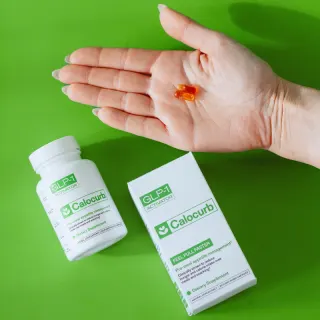
Calocurb GLP-1 Activator
Calocurb · capsuleThe best-evidenced single-mechanism appetite trigger — clinically interesting, but premium-priced and a pre-meal, short-window tool rather than all-day support.
Amarasate is one of the most directly studied appetite ingredients — multiple human RCTs, dosed on-label at 250 mg.
Acute, short-window effect: a pre-meal tool (up to 4 capsules/day), not all-day craving support.
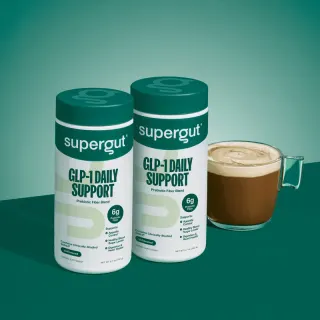
Supergut GLP-1 Daily Support
Supergut · powderA drinkable, gut-first option — but it leans on a proprietary fiber blend and a heavy fiber load.
Drinkable and caffeine-free.
Individual fiber doses are hidden inside a proprietary blend.