Munchies Science
Do Edibles Give You the Munchies? Timing, Strength and Why They Last
Same molecule, different clock. The hunger arrives late and outstays a joint.
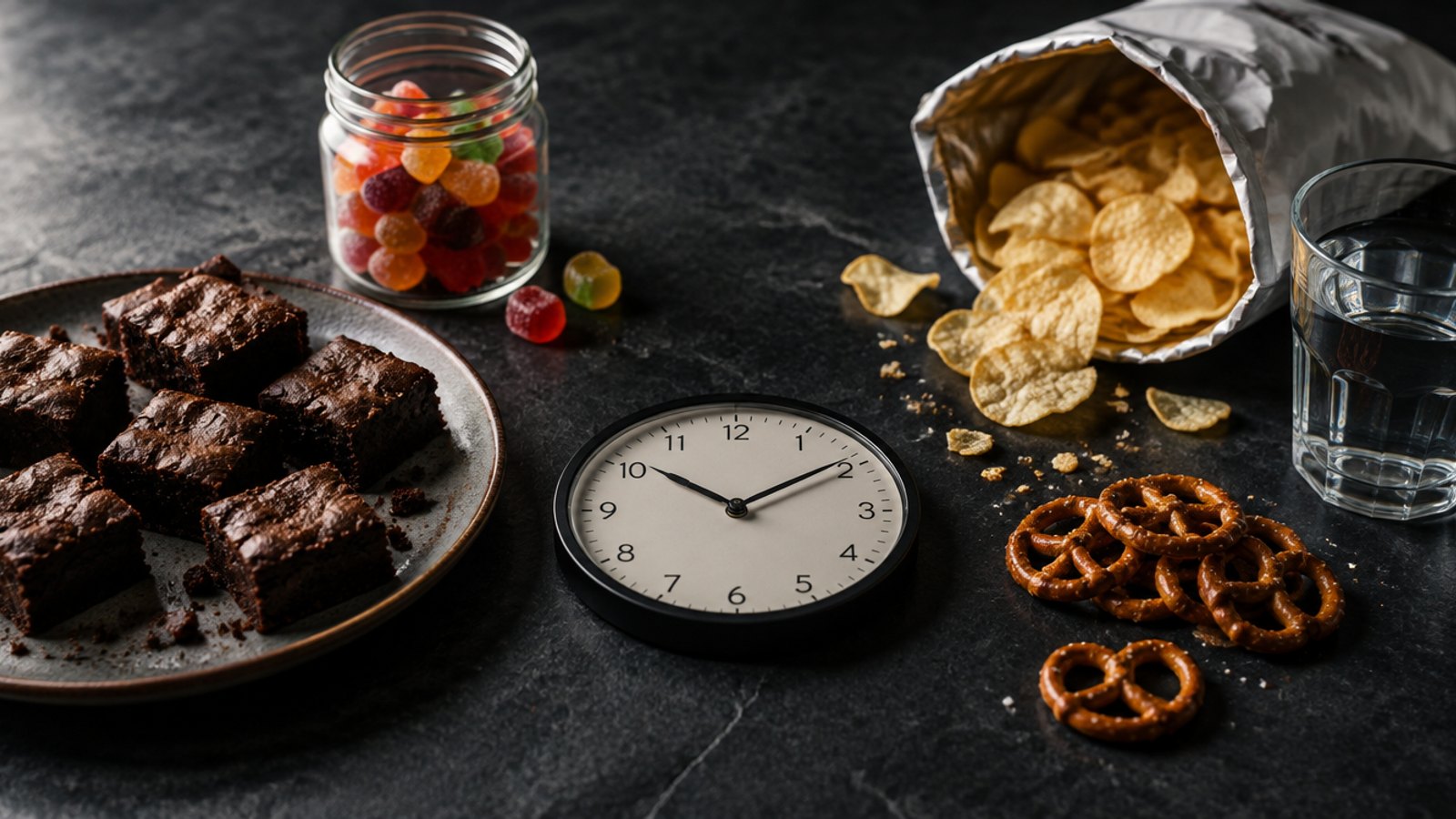
Edibles do give you the munchies. THC is the same molecule whether you smoke it or swallow it, and in two controlled trials in HIV-positive adults who already used cannabis, THC taken by mouth raised daily calories about as much as smoked cannabis did (Haney 2005; Haney 2007). What changes with an edible is the timing: the hunger shows up later, and it can stick around for most of the evening.
That last part is the one people don't plan for. A joint gives you a short hungry window. A brownie can give you a long one.
Edibles cause the munchies because swallowed THC still reaches CB1 receptors in the brain
The munchies come from THC acting on CB1 receptors in the brain, not from anything happening in your stomach. In a 2025 study, the extra eating after cannabis was driven by central CB1 receptors, and appetite hormones in the blood didn't change (Hume 2025). Our explainer on why weed makes you hungry in the first place covers that brain circuitry in detail.
Swallowed THC takes a detour through the liver before it gets there, but it does get there. The prescription version of oral THC (dronabinol) has been used for years specifically because it raises appetite. In a 2007 inpatient trial, both dronabinol capsules and smoked cannabis raised daily calorie intake and body weight in a dose-dependent way, with comparable effects (Haney 2007).
One caveat on those numbers: the people in these trials were HIV-positive adults who already smoked cannabis, studied in a residential lab. Nobody has run the same food-intake study on healthy adults eating a dispensary gummy. The mechanism carries over. The exact size of the effect may not.
Edible munchies start 30 to 60 minutes after you eat it and build for hours
Edibles take 30 to 60 minutes to kick in, and their effects peak 1.5 to 3 hours after you eat them. That timing comes from a Johns Hopkins study in which 17 adults ate brownies containing 10, 25 or 50 mg of THC (Schlienz 2020).
Smoked or vaped cannabis works on a different clock. In the 2025 vapor study, the extra eating landed in the first 30 minutes of snack access (Hume 2025).
Worth knowing: the Hopkins brownie study timed the high, not the hunger. No controlled study has clocked edible munchies directly, so the safest assumption is that appetite follows the high. We break down onset by route in our guide to when the munchies kick in for smoking, vaping and edibles.
Edible munchies tend to last longer than munchies from smoking
Edible effects lasted 6 to 8 hours in a controlled dosing study, far longer than the short peak after inhaling (Vandrey 2017). In practice, that means the hungry stretch can run from early evening into bedtime instead of one burst after a joint.
A longer window gives more chances to eat. If a smoke session means one trip for snacks, an edible taken at 7 PM can mean three. Our guide on how long the munchies last has the timelines side by side.
Nobody has measured whether edible munchies are stronger than smoked munchies
No study has compared how much people eat after a recreational edible versus a joint at a matched dose. Anyone who tells you edibles cause "worse" munchies is guessing.
Here's what the data does show. Blood THC after an edible is much lower than after inhaling, even at high doses: a 50 mg brownie produced an average peak of about 3.3 ng/mL of THC in whole blood (Vandrey 2017). Yet the 25 and 50 mg doses still produced strong subjective effects and clear impairment (Schlienz 2020). Part of the reason is 11-OH-THC, an active metabolite the liver makes from swallowed THC, which reached levels similar to THC itself in that study.
In the head-to-head trials that did measure eating, swallowed and smoked THC landed in the same place: comparable increases in calories (Haney 2005; Haney 2007). The bigger driver looks like dose, not route. A 10 mg gummy and a 50 mg brownie are very different nights.
A full stomach makes an edible hit later and harder
Eating a high-fat meal with oral THC raised how much THC reached the blood and pushed the peak later. That finding comes from a randomized crossover trial in 28 adults who took 5 or 10 mg THC capsules either fasted or after a high-fat breakfast (Lunn 2019).
So the common advice to "eat something" when an edible feels too strong doesn't line up with the lab data. In a survey of 370 people who use oral cannabis, 43% said they'd been told to eat a snack or meal to tone down effects that were too strong (Dowd 2023). The capsule trial suggests fat in the stomach can do the opposite and stretch the experience out.
That matters for the munchies because they feed themselves. You get hungry, eat something rich, and the THC still sitting in your gut gets absorbed more completely.
Redosing an edible that feels slow stacks a second hungry window on the first
The slow start is why people take a second gummy, and the second dose arrives on top of the first. In a review of emergency visits at a large Colorado hospital, edibles accounted for 10.7% of cannabis-attributable visits from 2014 to 2016 while making up only 0.32% of THC sold in the state (Monte 2019). The edible visits were more likely to involve intoxication and acute psychiatric symptoms than the inhaled ones.
For the munchies, a redose means a bigger dose and a longer window. Wait the full 2 hours before deciding the first one didn't work.
Regular oral THC may blunt the extra eating over time
Daily oral THC raised food intake at first and then stopped doing so in one inpatient trial. Seven HIV-positive adults who smoked cannabis took 10 mg dronabinol 4 times a day for 16 days; calorie intake rose only during the first 8 days, even though self-reported food cravings stayed up the whole time (Bedi 2010).
That's a small study at a high, medical dose, so treat it as a hint. It does fit what people describe: an occasional edible hits the appetite harder than the same edible taken nightly.
Planning for edible munchies works better than fighting them at hour 3
Because edible munchies arrive late and last long, the useful moves happen before the first bite. Pick the dose, eat dinner first so you aren't starting hungry, and portion the snacks in advance instead of opening a family-size bag at 10 PM. Our ranking of healthy snacks for the munchies by protein and fiber gives you options that fill you up faster.
Remember that the edible is food too. A brownie or a handful of gummies is sugar before the munchies even start.
For the routine side, Ozzi's guide to stopping the munchies without giving up weed covers habits. If you're considering a supplement, our evidence check on each munchies supplement ingredient is upfront that none was tested on cannabis users, and the wider appetite suppressant category is scored on our published rubric.
References
- Haney M, et al. Dronabinol and marijuana in HIV(+) marijuana smokers: acute effects on caloric intake and mood. Psychopharmacology 2005;181(1):170-8. PubMed 15778874
- Haney M, et al. Dronabinol and marijuana in HIV-positive marijuana smokers: caloric intake, mood, and sleep. J Acquir Immune Defic Syndr 2007;45(5):545-54. PubMed 17589370
- Hume C, et al. Cannabis produces acute hyperphagia in humans and rodents via increased reward valuation for, and motivation to, acquire food. Proc Natl Acad Sci U S A 2025;122(52):e2518863122. PubMed 41439716
- Schlienz NJ, et al. Pharmacodynamic dose effects of oral cannabis ingestion in healthy adults who infrequently use cannabis. Drug Alcohol Depend 2020;211:107969. PubMed 32298998
- Vandrey R, et al. Pharmacokinetic profile of oral cannabis in humans: blood and oral fluid disposition and relation to pharmacodynamic outcomes. J Anal Toxicol 2017;41(2):83-99. PubMed 28158482
- Lunn S, et al. Human pharmacokinetic parameters of orally administered delta-9-tetrahydrocannabinol capsules are altered by fed versus fasted conditions and sex differences. Cannabis Cannabinoid Res 2019;4(4):255-264. PubMed 31872060
- Dowd AN, et al. A cross-sectional survey on cannabis: characterizing motives, opinions, and subjective experiences associated with the use of various oral cannabis products. Drug Alcohol Depend 2023;245:109826. PubMed 36871378
- Monte AA, et al. Acute illness associated with cannabis use, by route of exposure: an observational study. Ann Intern Med 2019;170(8):531-537. PubMed 30909297
- Bedi G, et al. Efficacy and tolerability of high-dose dronabinol maintenance in HIV-positive marijuana smokers: a controlled laboratory study. Psychopharmacology 2010;212(4):675-86. PubMed 20824270
FAQ
Do edibles give you the munchies as much as smoking?
Swallowed THC and smoked cannabis raised daily calories by comparable amounts in two controlled trials in HIV-positive adults who already used cannabis. No study has compared a recreational edible and a joint at matched doses in healthy adults, so dose is the better predictor than route.
How long after taking an edible do the munchies start?
Edible effects start 30 to 60 minutes after eating and peak at 1.5 to 3 hours, based on a controlled brownie study in 17 adults. That study timed the high rather than hunger, but appetite is expected to follow the same curve.
How long do edible munchies last?
Edible effects lasted 6 to 8 hours in a controlled dosing study, much longer than the short peak after smoking. The hungry stretch from an edible can run through most of an evening.
Does eating food with an edible make it stronger?
A high-fat meal raised the amount of THC absorbed and delayed its peak in a randomized trial of 28 adults taking THC capsules. Eating a rich snack to calm an edible that feels too strong may stretch the effects out rather than shorten them.
Products mentioned
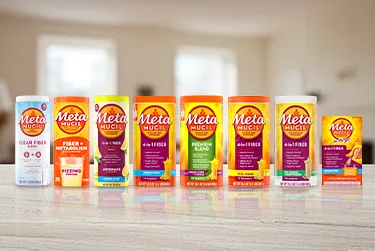
Metamucil 4-in-1 Fiber (Psyllium Husk)
Metamucil (Procter & Gamble) · powderBest Value: cheap, drinkable, and well-evidenced as a fiber — but single-pathway and a heavy gel load.
Pennies per serving — by far the cheapest in the set.
Single pathway — a fiber, not a craving formula.
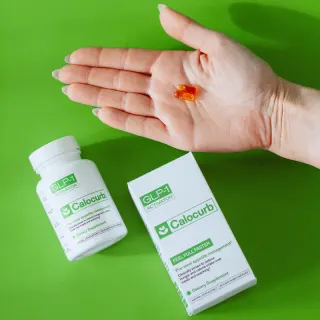
Calocurb GLP-1 Activator
Calocurb · capsuleThe best-evidenced single-mechanism appetite trigger — clinically interesting, but premium-priced and a pre-meal, short-window tool rather than all-day support.
Amarasate is one of the most directly studied appetite ingredients — multiple human RCTs, dosed on-label at 250 mg.
Acute, short-window effect: a pre-meal tool (up to 4 capsules/day), not all-day craving support.
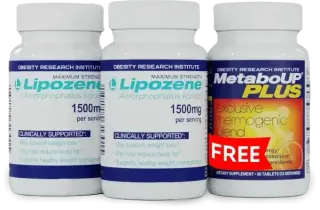
Lipozene
Obesity Research Institute · capsuleCheap single-ingredient glucomannan — fine as a fiber, but it does only one thing.
Single, disclosed ingredient.
One pathway only (fiber satiety).