Buyer's Guide
Best Food Noise Supplement: 7 Options Ranked on One Rubric
Food noise got its own questionnaire before it got a definition researchers agree on. Here is what is actually buyable, scored on the same five axes as everything else on this site.
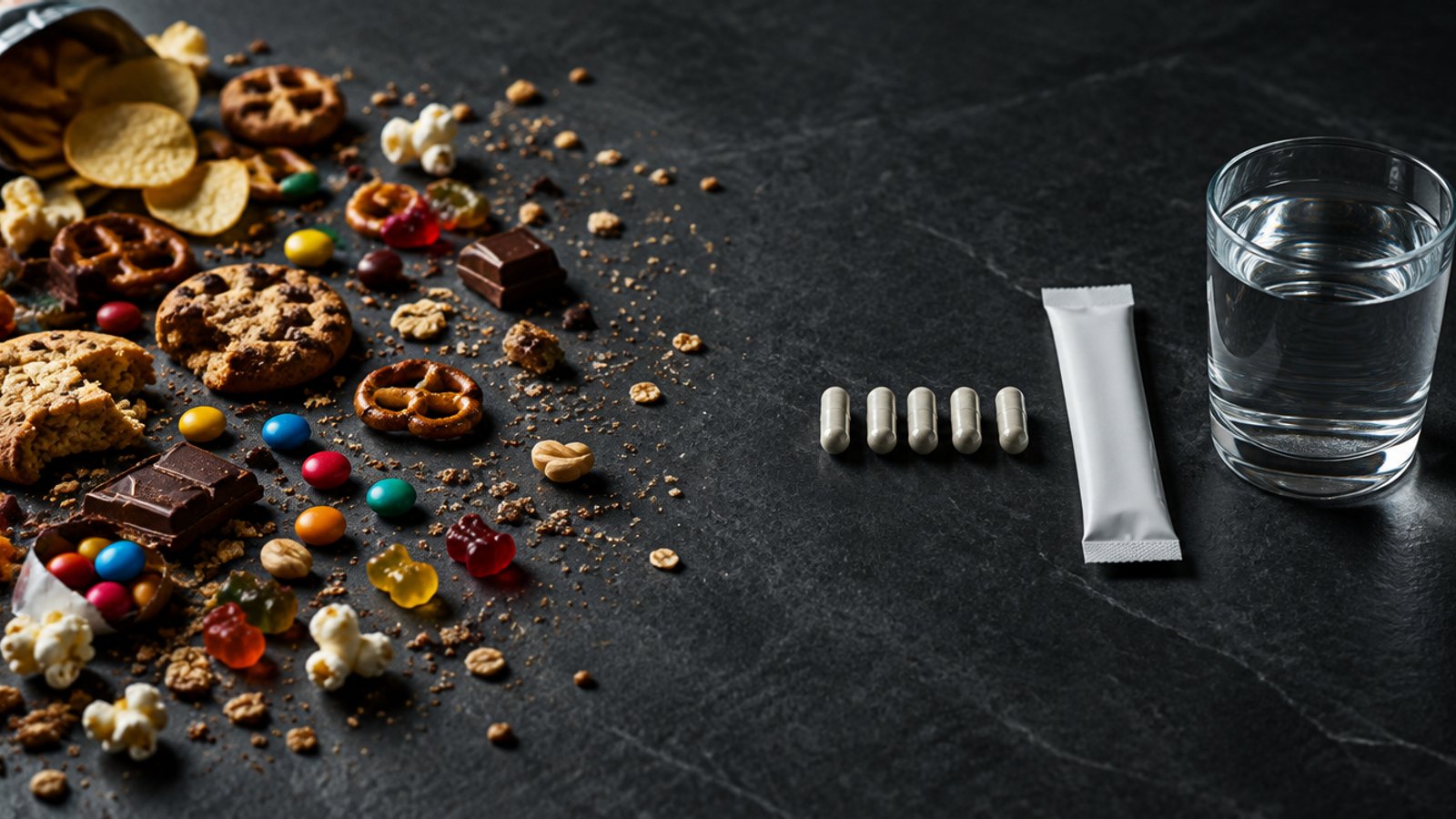
Food noise is the sound of your own brain bringing food up again. Not hunger. The commentary running underneath it: what's in the fridge, what you'd eat if you let yourself, what you already decided you weren't having tonight.
The phrase went from patient forums to clinic shorthand in about two years, and the supplement shelf followed fast. Bottles now promise quiet. This page ranks the ones worth considering on the same five-axis rubric we use for everything here. For the label checks that apply across this whole category, start with our buyer's guide to natural GLP-1 supplements; the rules below are the same ones.
What researchers have actually pinned down
Less than the marketing implies. A 2026 commentary in Appetite reviewed the current definitions and measurement tools and found food noise overlaps heavily with things psychology already had names for: food cue reactivity, food preoccupation, cravings, intrusive food-related thoughts. The authors don't reject the idea. They argue it needs stronger theoretical grounding and cross-cultural validation before clinical use, and they flag a real risk of reclassifying an ordinary experience as pathology (Brewis and colleagues, Appetite 2026).
That matters for shopping, because nothing gets validated against a yardstick still being built. What we do have is early survey work. In 593 healthcare students and staff in Al-Ahsa, Saudi Arabia, a 14-item food noise scale held together statistically, and 75.9% scored at least moderate, 29% high. The strongest correlates weren't age, sex or shift work. They were a positive eating-disorder screen and perceived stress (Alarfaj and colleagues, Nutrients 2026). One convenience sample with exploratory cut-offs, so read it as a benchmark, not a population figure.
The one thing shown to move a food noise score is a drug. Among 79 adults with obesity, those 6 months into GLP-1 receptor agonist treatment had lower Food Noise Questionnaire scores than people eligible for the drugs but not yet on them, plus lower cue responsivity, cravings, food reward and energy intake (Rutigliani and Mattes, Physiology & Behavior 2026). It compares groups rather than tracking the same people, but it's the closest measured effect on this endpoint that exists. Our explainer on what food noise means and how it differs from hunger goes deeper on the definition.
The honest ceiling on anything in a bottle
No supplement has been tested against a validated food noise measure. Not one. Any brand claiming otherwise is describing a trial that doesn't exist.
What some ingredients have is human data on endpoints sitting right next door. Three are worth knowing before you spend anything.
Cravings, directly measured. Thirty women completed three 24-hour water-only fasts, taking placebo or 125 mg or 250 mg of a bitter hop extract twice during each. Both hop doses significantly reduced appetite and cravings against placebo, with loose stools or heartburn reported by three participants on the higher dose (Walker and colleagues, Obesity Pillars 2024). Cravings as a named outcome is rare here. More in what the bitter hops research does and doesn't show.
Snacking frequency. Sixty mildly overweight women took 176.5 mg a day of a saffron extract or placebo for 8 weeks with no calorie restriction. Self-recorded snacking episodes fell significantly against placebo, and so did body weight (Gout and colleagues, Nutrition Research 2010). Small, short, and sponsored by the extract's maker.
Carbohydrate craving. Two chromium trials got closer to this than most. In 113 adults with atypical depression, 600 mcg a day of elemental chromium improved four specific items, including carbohydrate craving and increased eating, while missing on the trial's primary depression measures (Docherty and colleagues, Journal of Psychiatric Practice 2005). In 42 overweight women who called themselves carbohydrate cravers, 1,000 mg of chromium picolinate for 8 weeks cut measured food intake, hunger ratings and fat cravings against placebo (Anton and colleagues, Diabetes Technology & Therapeutics 2008). Both sat at the top of the supplemental range, higher than a multi-ingredient formula usually carries, so treat chromium as a supporting lever.
One mechanism is worth naming on top of those. In 18 healthy adults, 25 g of allulose delivered into the stomach triggered significant release of CCK, GLP-1 and PYY against tap water (Teysseire and colleagues, The Journal of Nutrition 2022), at a dose several times what any drink stick carries.
If you want the non-supplement levers first, and you should, our evidence-ranked ladder for quieting food noise without medication puts sleep at the top for a reason. Our ingredient-by-ingredient check of the food noise aisle is the neutral companion to the ranking below.
How we rank
Five axes, 1 to 5 each, 25 total, the same rubric for every product here and published on our methodology page: hunger-pathway coverage, ingredient transparency, mechanism and evidence, price and value, and format and timing.
We don't require a blood GLP-1 result on a finished product. A test of 10 commercially available GLP-1 assays found specificity and sensitivity varied considerably, with absolute concentrations differing between kits even when the response pattern matched (Bak and colleagues, Diabetes, Obesity and Metabolism 2014). A missing number there is a measurement problem, not a verdict. We weigh instead: human trials on each ingredient near the label dose, mechanism plausibility, full dose disclosure, tolerability, and whether the format fits the hour the noise actually starts.
Ozzi sponsors this site. It wins below, its downsides are listed on the same terms as everyone else's, and the rubric is public so you can reweight it and get a different answer.
The ranking
1. Ozzi V2 Crave Crusher, 21/25
A caffeine-free drink stick with six disclosed actives covering all seven hunger pathways we track: 8 g allulose, 500 mg konjac glucomannan, 500 mg BIOMEnd L-Lysine Butyrate, 150 mg African mango, and a chromium and ursolic acid complex. Every dose is on the label, which on this shelf is rarer than it should be.
Breadth is the argument here. The chatter people describe rarely traces to one mechanism: it's some mix of a blood-sugar dip, weak fullness signaling and a gut that isn't making much satiety hormone. A formula touching several of those has more chances to land than one maxing out a single ingredient. The butyrate-to-GLP-1 link is mechanistic and still being built out in humans, which we cover in what the butyrate and GLP-1 evidence really shows, and the base ingredient has its own case in the science of allulose.
Cons, honestly. There's no trial on the finished stick, and none on food noise as an outcome, same as everything else here. The doses are moderate by design: 500 mg of glucomannan is a sixth of the 3 g used in satiety trials, and the chromium sits well below the 600 to 1,000 mcg used in the craving studies above. Some people notice the natural butyrate smell. At $3.25 a serving at MSRP it's the priciest sticker in the set, dropping to about $2.25 on a bundle, which is where it becomes competitive.
It wins because it's the broadest fully disclosed formula here, it's caffeine-free so it works after dinner when the noise is loudest, and it's a drink rather than a pill, which for some people replaces the snack itself. Full spec and scoring. If you'd rather not drink anything, the capsule version scores 20/25 and drops the allulose base.
2. Lemme GLP-1 Daily, 18/25
Three branded extracts, all dosed on the label: 400 mg Morosil red orange, 200 mg Eriomin lemon and 176.5 mg Supresa saffron, at $2.67 a serving. That saffron number is exactly the dose from the snacking trial above, which is the most food-noise-adjacent evidence in any mainstream capsule. We can't confirm Supresa is the identical extract to the one tested.
Cons: two pathways rather than seven, no trial on the three-ingredient combination, capsules only, and the brand says its guarantee carries a return fee. We ran it head to head in Lemme versus Pendulum.
3. Thorne Berberine, 17/25
1,000 mg a day split between berberine HCl and a phytosome form, $1.47 a serving, from a brand with a strong quality reputation. Pick this one if your noise is clearly tied to blood-sugar swings: it's the afternoon crash more than the 9pm loop.
Cons: it's a metabolic supplement, not a craving formula, so any appetite effect is indirect. GI upset is common at this dose and berberine interacts with several medications. Our full Thorne review has the detail.
4. Metamucil 4-in-1 Fiber, 17/25
3.4 g of psyllium husk for about 21 cents a serving, the cheapest thing here by a distance. One pathway, no pretense otherwise, and fiber before a meal is a real fullness lever.
Cons: it's a fiber, not a food noise product. Nothing for the gut-hormone or blood-sugar side, bloating and gas are common, and it has to be drunk fast before it thickens.
5. Calocurb GLP-1 Activator, 16/25
250 mg of Amarasate bitter hops, caffeine-free, taken about an hour before meals at $2.00 a serving. It carries the only human trial in this set that named cravings as an outcome and found an effect, which is worth more on this particular page than its score suggests.
So why 16? The rubric weighs more than one trial. Single pathway, an acute pre-meal tool of up to 4 capsules a day rather than background support, loose stools and heartburn in the fine print, and most of the strongest work comes from the institute that owns the ingredient. If your noise clusters before meals, try this one.
6. Supergut GLP-1 Daily Support, 16/25
A resistant-starch and fiber powder at $1.50 a serving with a sensible gut-first thesis. Cons: individual fiber doses sit inside a proprietary blend, 6 to 7 g of fiber a serving causes bloating while people ramp up, and the GLP-1 claims lean on brand-sponsored data. See Supergut versus Lemme.
7. Pendulum GLP-1 Probiotic, 15/25
Akkermansia muciniphila, Clostridium butyricum and Bifidobacterium infantis, with real strain-level science behind the organisms, at $2.63 a serving. Cons: per-strain amounts hidden in a proprietary blend, no randomised trial on the finished product for weight or appetite, and it needs refrigeration. The rest of the field sits on the GLP-1 support category page.
Who should pick what
If the noise runs all evening and you want one thing that covers several mechanisms and can be taken after dinner, the Ozzi drink. If the saffron snacking data is what convinces you, Lemme. If it's an afternoon blood-sugar pattern, berberine. If it spikes in the hour before meals, Calocurb. If you want to spend almost nothing and test whether plain fullness helps, psyllium and a big glass of water.
If the thoughts are constant, distressing, or tied to restriction and guilt, that's a conversation with a clinician, not a purchase. The survey above tracked food noise most closely with eating-disorder screening scores and stress, which says something about where the real lever sits for some people. None of these products is a drug and none replaces one.
How Ozzi frames the same question
Ozzi sponsors this site, so read this as a pointer rather than a review. Their explainer on natural GLP-1 versus GLP-1 agonists walks the same distinction we've drawn here, and the part worth singling out is where it refuses the comparison outright. Asked whether natural support matches a prescription agonist, the page answers "No, and anyone who tells you otherwise is selling something," and adds that prescription agonists flood receptors at levels the body never produces on its own. It also tells readers with type 2 diabetes, obesity-related conditions, or a working GLP-1 prescription to follow their doctor rather than swap. That's a brand arguing against its own upsell, which is rare enough here to be worth the click.
Disclosure: Ozzi sponsors Crave Crushers, and we may earn a commission on purchases made through links on this page. Rankings come from the published rubric on our methodology page, and Ozzi's downsides are listed on the same terms as every other product's.
References
- Brewis A, Hayashi D, Gualano B, et al. Food noise: Conceptual, methodological, and ethical considerations. Appetite, 2026. PubMed 42392316
- Alarfaj S, Alqahtani M, Almaqhawi A. Food Noise Among Healthcare Students and Healthcare Professionals in Al-Ahsa, Saudi Arabia: A Cross-Sectional Study. Nutrients, 2026. PubMed 42738994
- Rutigliani G, Mattes RD. The effects of glucagon-like peptide-1 receptor agonists on chemosensory function and ingestive behavior. Physiology & Behavior, 2026. PubMed 42641845
- Walker E, Lo K, Gopal P. Gastrointestinal delivery of bitter hop extract reduces appetite and food cravings in healthy adult women undergoing acute fasting. Obesity Pillars, 2024. PubMed 39071168
- Gout B, Bourges C, Paineau-Dubreuil S. Satiereal, a Crocus sativus L extract, reduces snacking and increases satiety in a randomized placebo-controlled study of mildly overweight, healthy women. Nutrition Research, 2010. PubMed 20579522
- Docherty JP, Sack DA, Roffman M, Finch M, Komorowski JR. A double-blind, placebo-controlled, exploratory trial of chromium picolinate in atypical depression: effect on carbohydrate craving. Journal of Psychiatric Practice, 2005. PubMed 16184071
- Anton SD, Morrison CD, Cefalu WT, et al. Effects of chromium picolinate on food intake and satiety. Diabetes Technology & Therapeutics, 2008. PubMed 18715218
- Teysseire F, Bordier V, Budzinska A, et al. The Role of D-allulose and Erythritol on the Activity of the Gut Sweet Taste Receptor and Gastrointestinal Satiation Hormone Release in Humans: A Randomized, Controlled Trial. The Journal of Nutrition, 2022. PubMed 35135006
- Bak MJ, Wewer Albrechtsen NJ, Pedersen J, et al. Specificity and sensitivity of commercially available assays for glucagon-like peptide-1. Diabetes, Obesity and Metabolism, 2014. PubMed 25041349
FAQ
Is there a supplement for food noise?
Nothing has been tested against a validated food noise measure, so no product can honestly claim to treat it. A few ingredients have human data on neighbouring endpoints: a bitter hop extract reduced appetite and cravings in 30 fasting women, a saffron extract reduced self-recorded snacking in 60 women over 8 weeks, and chromium improved carbohydrate craving scores in two trials. Those are the closest things to evidence in this aisle.
What is the best supplement for food noise?
On our five-axis rubric the Ozzi V2 Crave Crusher scores highest at 21 out of 25, mainly because it covers seven hunger pathways with every dose disclosed and is caffeine-free so it fits the evening. It has no trial on the finished product and its individual doses are moderate, which we state plainly. Lemme GLP-1 Daily is second at 18, and Calocurb carries the only trial in the set that measured cravings directly.
Do food noise pills work?
Expect gentle support rather than silence. The only intervention shown to lower Food Noise Questionnaire scores in a published study is GLP-1 receptor agonist medication, and even that result came from a cross-sectional comparison rather than a randomised trial. Supplements work on adjacent levers: fullness, blood-sugar stability and gut satiation hormones.
Is food noise a real medical condition?
Food noise is not a formal diagnosis. A 2026 commentary in Appetite argues the term overlaps heavily with food cue reactivity, food preoccupation and cravings, and that it needs stronger theoretical grounding and validation before clinical use. Survey work links higher food noise scores most closely to eating-disorder screening scores and perceived stress, which is worth raising with a clinician if the thoughts are distressing.
Products mentioned
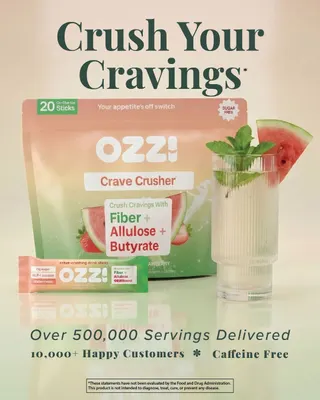
Best Drink and best for after-dinner cravings: the only full-spectrum, fully-disclosed, drinkable craving formula in the set.
Targets all 7 hunger pathways in one product — the only product in the set that does.
Some users are sensitive to the natural butyrate smell from BIOMEnd.
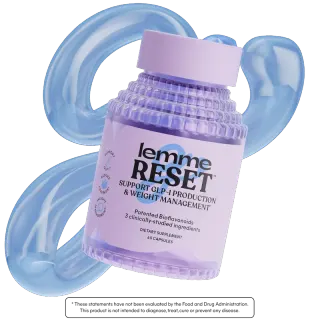
Lemme GLP-1 Daily (Lemme Reset)
Lemme · capsuleThe most transparent standalone GLP-1 capsule: fully-disclosed branded actives in a simple once-daily pill, though it covers fewer hunger pathways than the Ozzi capsule.
Fully disclosed, standardized branded actives (no proprietary blend).
No published trial on the finished three-ingredient combination.
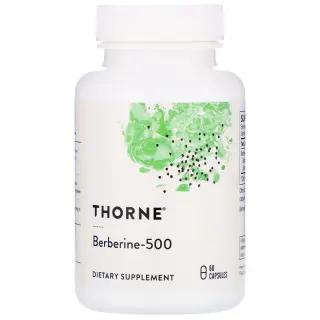
Thorne Berberine (1,000 mg)
Thorne · capsuleWell-evidenced berberine for metabolic support — but the effective dose is rough on a lot of stomachs.
Berberine has real human RCT evidence for glucose and lipid markers.
Berberine commonly causes GI distress — cramping, diarrhea, constipation — and at the 1,000 mg+ effective dose it is hard for many people to tolerate.
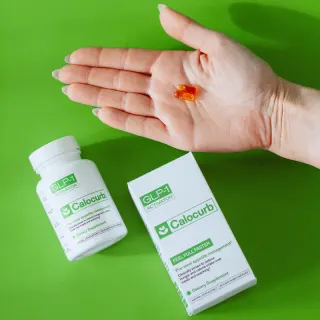
Calocurb GLP-1 Activator
Calocurb · capsuleThe best-evidenced single-mechanism appetite trigger — clinically interesting, but premium-priced and a pre-meal, short-window tool rather than all-day support.
Amarasate is one of the most directly studied appetite ingredients — multiple human RCTs, dosed on-label at 250 mg.
Acute, short-window effect: a pre-meal tool (up to 4 capsules/day), not all-day craving support.