Sweetener Science
Sucralose Under the Microscope: Reading the Scary Findings Carefully
One trial found sucralose cut insulin sensitivity 20.3% in 30 days. Another found it raised insulin sensitivity 52%. Both were randomized. Neither is being misquoted.
Of the sweeteners in wide use, sucralose is the one that keeps collecting uncomfortable results.
It's the workhorse. FDA sets its acceptable daily intake at 5 mg per kg of body weight per day, which by the agency's own arithmetic means a 132-pound person would need 23 tabletop packets a day to reach the limit. Almost nobody gets close. It's also in Splenda, where the sweetener itself is a tiny fraction of the packet and the rest is dextrose and maltodextrin (Ni et al., Metab Syndr Relat Disord 2026).
Three separate lines of research have gone against it: a repeated insulin-sensitivity finding, a genotoxic manufacturing impurity, and evidence that it comes apart when heated. Each got flattened into a headline. Each deserves better reading, in both directions.
1. The insulin sensitivity result, run twice
A group in Mexico City has now tested this same question twice, years apart, and landed in the same place both times.
The first trial, in the American Journal of Clinical Nutrition in 2018, gave healthy adults with low habitual sweetener intake 15% of the sucralose ADI daily for 14 days, using commercial sachets (Romo-Romo et al., Am J Clin Nutr 2018). 33 people per group. Insulin sensitivity, measured by intravenous glucose tolerance test, fell by a median of 17.7% in the sucralose group against 2.8% in controls.
The second trial, published in 2025, tightened the design considerably (Romo-Romo et al., Clin Nutr ESPEN 2025). Randomized, placebo-controlled and triple-blind this time, healthy lean participants, 30% of the ADI for 30 days, with a mixed meal tolerance test before and after.
Insulin sensitivity fell 20.3%. Glucose, insulin and GLP-1 areas under the curve all rose. And the study went looking for a mechanism rather than stopping at the number:
- Gut microbiome alpha-diversity dropped.
- Fecal butyrate went down, and fecal Curli protein, a bacterial fiber tied to inflammation, went up.
- Inflammatory markers and branched-chain amino acids rose. Serum glutamic acid fell.
That butyrate finding is the one worth sitting with, because butyrate is a large part of how gut bacteria earn their keep, including in gut-hormone signaling. We went through that pathway in the butyrate piece.
Two trials, same group, consistent direction, second one better designed than the first. Independent replication by a different lab would settle it. That hasn't happened yet.
The trial where the dose didn't cooperate
A separate Mexican team ran 137 healthy young adults for 10 weeks, randomized to 48 mg sucralose, 96 mg sucralose, or water (Bueno-Hernández et al., Nutr J 2020).
In the 48 mg group, fasting insulin rose from 7.5 to 8.8 µIU/mL, insulin area under the curve rose, and the Matsuda insulin-sensitivity index fell from 6.04 to 4.86. Real movement.
In the 96 mg group, the insulin AUC change didn't reach significance. Double the dose, weaker signal. The authors said so plainly: the effects are not consistent with dose.
A finding that doesn't scale with the amount you take has something unexplained in it. Most likely individual response swamps dose, which is the pattern that keeps surfacing across this whole literature.
The trial that pointed the other way
Here's the result almost nobody who cites the 2018 trial also cites.
A University of Illinois team gave 21 participants, 10 of normal weight and 11 with obesity, three dual-tracer oral glucose tolerance tests, each preceded in randomized order by drinking sucralose, drinking water, or tasting and spitting out sucralose (Nichol et al., Nutrients 2020). That third arm is the clever part: it separates sweet taste from the molecule arriving in your gut.
Swallowed sucralose raised the glucose area under the curve by 30% in both weight groups. So far, consistent with the worry.
Then it inverted. In normal-weight participants, swallowed sucralose increased insulin sensitivity by 52%. In participants with obesity, it did nothing to insulin sensitivity. The insulin response itself split by body weight, falling early in normal-weight participants and rising late in those with obesity. Tasting and spitting lowered insulin in both groups, which says taste alone does something real, a point that lines up with what we found digging into the craving research.
Small trial, 21 people, so don't overweight it. But it's randomized, it's careful, and it runs opposite to the headline finding. Anyone certain about what sucralose does to insulin hasn't read both.
2. Sucralose-6-acetate, and what a screening assay is for
The 2023 paper that generated the "sucralose damages DNA" headlines is more interesting than either the scare version or the dismissal (Schiffman et al., J Toxicol Environ Health B Crit Rev 2023).
Sucralose-6-acetate is an intermediate and impurity from manufacturing. The authors found up to 0.67% of it in commercial sucralose samples they tested. In a rodent model it also showed up in feces at up to 10% relative to sucralose, which suggests sucralose gets acetylated in the intestine. So the compound isn't only a factory leftover. Your gut may be producing some.
What the assays found:
- Two genotoxicity screens flagged it, and the mechanism was classified as clastogenic, meaning it produces DNA strand breaks.
- In human intestinal epithelium, it raised expression of genes tied to inflammation, oxidative stress and cancer, with the largest change in the metallothionein 1 G gene.
- Both sucralose-6-acetate and sucralose itself impaired intestinal barrier integrity, measured by electrical resistance and permeability.
- It inhibited two cytochrome P450 enzymes, CYP1A2 and CYP2C19, which are part of how the body clears many medications.
- The authors calculated that a single daily sucralose-sweetened drink might far exceed the toxicological threshold of concern for genotoxicity, 0.15 µg per person per day.
Now the design. These were in vitro screening assays, cultured cells and tissue. Not people, not health outcomes, not disease. Screening assays are deliberately built to be sensitive, because their job is to flag anything worth a real study. That sensitivity is what makes them useful as a flag and useless as a verdict.
The threshold-of-concern number gets misread constantly too. It's a conservative regulatory trigger for "this needs proper data," not a poisoning line. Crossing it means somebody should run the study.
The barrier-integrity result is the part we'd most want followed up, because it applied to plain sucralose as well as the impurity, and gut permeability plausibly connects to the inflammation seen in the 2025 human trial. Two hints pointing at the same tissue is worth a proper look.
3. The baking problem
This one is the least covered and the easiest to act on.
Sucralose was long treated as thermally stable, on the strength of studies from the early 1990s. Germany's Federal Institute for Risk Assessment reviewed the accumulated literature and concluded otherwise (Eisenreich et al., Food Chem 2020).
Their read: sucralose can be degraded at high temperatures, during cooking or baking, and potentially toxic chlorinated compounds including chloropropanols and dioxins might be generated as a result.
Note the hedging in that sentence, which is the authors' own. This is a review of physicochemical work, not a measurement of what comes out of your oven. Nobody has quantified what a home baker actually ends up eating.
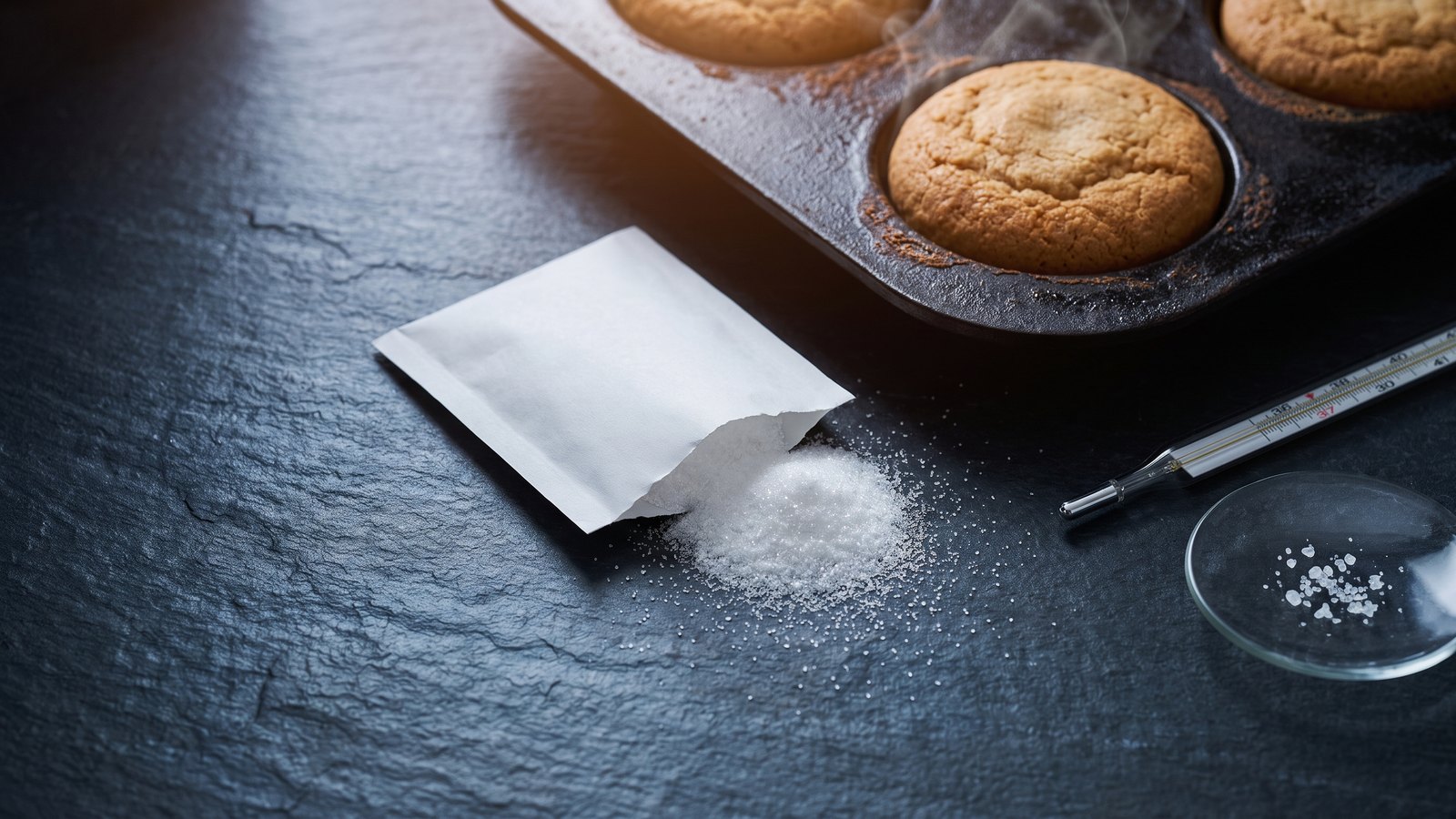
Still, sucralose is a chlorinated molecule, it's marketed as bake-stable, and it turns up in packaged baked goods. If you want a low-effort hedge, use it in things you don't heat and use something else in the oven. The allulose evidence is worth a look there, since it browns like sugar because it is one.
What about the gut, specifically
Sucralose has an unusual chemistry problem: most of it isn't absorbed, so most of what you swallow reaches the colon intact and meets your bacteria directly.
The best-powered human trial to date, a randomized 2-week study in 120 adults, found sucralose one of only two sweeteners tested that significantly impaired glycemic responses, alongside saccharin (Suez et al., Cell 2022). Aspartame and stevia didn't. Against that, a crossover trial gave 17 healthy adults sucralose at 20% of the ADI for 14 days and found nothing: no shift in bacterial taxa, no change in community structure, no change in short-chain fatty acids (Ahmad et al., Nutrients 2020).
17 people against 120 is most of the explanation. The rest is that response varies enormously between individuals. We laid out that whole contradiction in the gut bacteria piece.
The honest read
Sucralose has more unresolved findings against it than aspartame does, which is close to the opposite of the public reputation the two have. We walked through the aspartame evidence separately, and the largest review there found essentially nothing metabolic.
What's reasonably supported for sucralose: it changes glycemic responses in at least some people over 2 to 4 weeks, one lab has now twice measured a drop in insulin sensitivity with a plausible microbiome mechanism attached, and it's chemically capable of breaking down under heat.
What isn't supported: that it damages anyone's DNA at dietary intake, that it causes any disease, or that the insulin findings hold up in every population. A randomized trial found the opposite insulin-sensitivity result in normal-weight adults, and no independent lab has yet reproduced the Mexico City finding.
Where we'd land if you asked:
- If you're using sucralose to get off sugar-sweetened drinks, that swap still looks like the better side of the trade. Sugar's downsides are measured in years of data, not in vitro assays.
- Don't bake with it. That's the cheapest precaution available and the one with a physical-chemistry argument behind it rather than a statistical one.
- If you're on medication metabolized by CYP1A2 or CYP2C19, the enzyme-inhibition finding is a reasonable thing to raise with your pharmacist. It's in vitro evidence, so it's a question, not a warning.
- Heavy daily sucralose plus unexplained gut symptoms or energy swings is worth a 3-week experiment on yourself. The literature can't tell you whether you're a responder. You can.
The reasonable position on sucralose isn't that it's safe or that it's dangerous. It's that it has three open questions where most sweeteners have one, and open questions are what they are: unfinished, not answered in either direction.
For how gut bacteria shape appetite before any of this enters the picture, start with the gut-brain axis explainer. Our methodology page covers how we weigh a literature that argues with itself, and the rest of this coverage lives in metabolism and weight.
References
- Romo-Romo A, Aguilar-Salinas CA, Brito-Córdova GX, Gómez-Díaz RA, Almeda-Valdes P. Sucralose decreases insulin sensitivity in healthy subjects: a randomized controlled trial. Am J Clin Nutr. 2018;108(3):485-491. PMID 30535090
- Romo-Romo A, Sánchez-Tapia M, López-Carrasco MG, et al. Sucralose consumption modifies glucose homeostasis, gut microbiota, Curli protein, and related metabolites in healthy individuals: a randomized placebo-controlled, triple-blind trial. Clin Nutr ESPEN. 2025;69:733-744. PMID 40907790
- Bueno-Hernández N, Esquivel-Velázquez M, Alcántara-Suárez R, et al. Chronic sucralose consumption induces elevation of serum insulin in young healthy adults: a randomized, double blind, controlled trial. Nutr J. 2020;19(1):32. PMID 32284053
- Nichol AD, Salame C, Rother KI, Pepino MY. Effects of sucralose ingestion versus sucralose taste on metabolic responses to an oral glucose tolerance test in participants with normal weight and obesity: a randomized crossover trial. Nutrients. 2020;12(1):29. PMID 31877631
- Schiffman SS, Scholl EH, Furey TS, Nagle HT. Toxicological and pharmacokinetic properties of sucralose-6-acetate and its parent sucralose: in vitro screening assays. J Toxicol Environ Health B Crit Rev. 2023;26(6):307-341. PMID 37246822
- Eisenreich A, Gürtler R, Schäfer B. Heating of food containing sucralose might result in the generation of potentially toxic chlorinated compounds. Food Chem. 2020;321:126700. PMID 32278984
- Suez J, Cohen Y, Valdés-Mas R, et al. Personalized microbiome-driven effects of non-nutritive sweeteners on human glucose tolerance. Cell. 2022;185(18):3307-3328. PMID 35987213
- Ahmad SY, Friel J, Mackay D. The effects of non-nutritive artificial sweeteners, aspartame and sucralose, on the gut microbiome in healthy adults: secondary outcomes of a randomized double-blinded crossover clinical trial. Nutrients. 2020;12(11):3408. PMID 33171964
- Ni D, Parihar A, Sen S. Effect of sucralose on cardiometabolic health: a review on possible mechanisms. Metab Syndr Relat Disord. 2026;24(1):1-16. PMID 41111399
- US Food and Drug Administration. Aspartame and other sweeteners in food. (Sucralose ADI 5 mg/kg bw/day; 23 packets for a 60 kg person.)
Citations retrieved via PubMed, plus FDA's published acceptable daily intake figures. This article is for education only and isn't medical advice. Talk to your doctor before changing your diet or starting any supplement, especially if you're pregnant, nursing, on medication, or managing a health condition.
FAQ
Does sucralose affect insulin sensitivity?
In some trials, yes, and the finding has been repeated by the same research group. A 2018 randomized trial gave healthy adults 15% of the acceptable daily intake for 14 days and measured a median 17.7% drop in insulin sensitivity versus 2.8% in controls. A better-designed 2025 triple-blind, placebo-controlled trial gave 30% of the ADI for 30 days and measured a 20.3% drop, alongside reduced gut microbiome diversity, lower fecal butyrate and higher inflammatory markers. But a separate randomized crossover trial in 21 adults found swallowed sucralose increased insulin sensitivity by 52% in normal-weight participants and did nothing in participants with obesity. No independent lab has yet reproduced the drop, so treat it as an open question rather than a settled one.
Is sucralose genotoxic? What was the 2023 DNA study?
A 2023 paper examined sucralose-6-acetate, a manufacturing intermediate and impurity found at up to 0.67% in commercial sucralose samples the authors tested. In genotoxicity screening assays it came out clastogenic, meaning it produces DNA strand breaks, and in human intestinal tissue it raised expression of genes tied to inflammation and oxidative stress. Both the impurity and plain sucralose also impaired intestinal barrier integrity. Read the design before the conclusion: these were in vitro screening assays on cultured cells and tissue, not studies in people and not health outcomes. Screening assays are built to be very sensitive on purpose, which makes them a good flag for follow-up research and a poor basis for a verdict.
Is it safe to bake with sucralose?
That's genuinely unresolved, and it's the one place we'd suggest a precaution. Sucralose was treated as heat-stable for decades based on studies from the early 1990s. Germany's Federal Institute for Risk Assessment reviewed the later literature in 2020 and concluded sucralose can degrade at high temperatures during cooking or baking, and that potentially toxic chlorinated compounds including chloropropanols and dioxins might be generated. Nobody has measured what a home baker actually ends up consuming, so the size of any real-world exposure is unknown. Using it in cold or room-temperature foods and something else in the oven costs you nothing.
Is sucralose worse for you than aspartame?
On the current evidence it has more unresolved findings against it, which is roughly the opposite of their public reputations. The largest systematic review of aspartame's metabolic effects found little to nothing happening to glucose or insulin. Sucralose has a twice-repeated insulin-sensitivity drop from one lab, a genotoxic manufacturing impurity flagged in vitro, and open questions about heat degradation. In the best-powered human sweetener trial to date, sucralose and saccharin were the only two of four tested that significantly impaired glycemic responses. None of that establishes harm at normal intake, and swapping either for sugar-sweetened drinks still has better evidence behind it than avoiding both.
Products mentioned
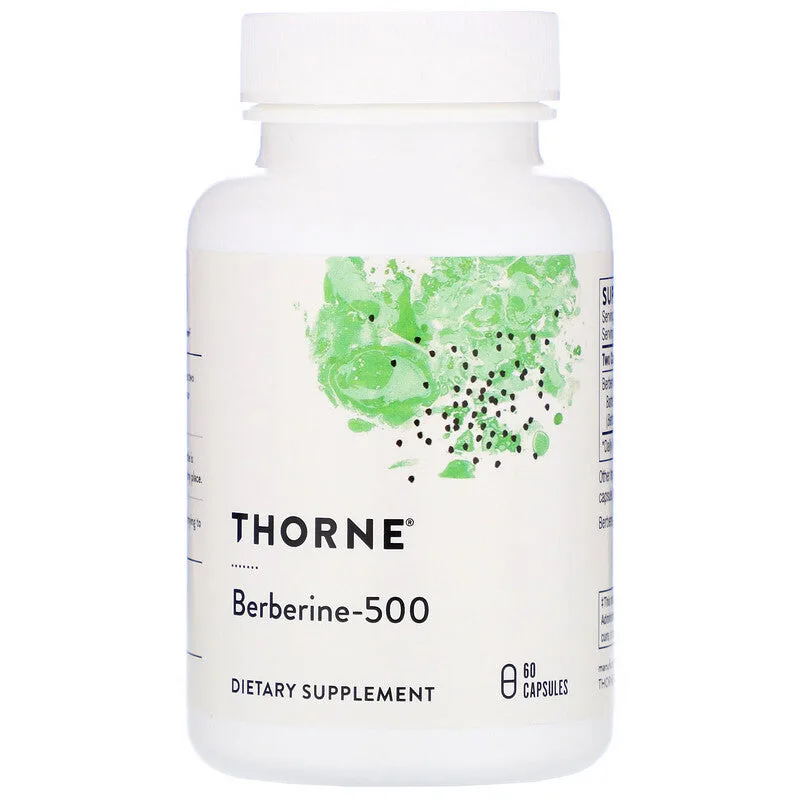
Thorne Berberine (1,000 mg)
Thorne · capsuleWell-evidenced berberine for metabolic support — but the effective dose is rough on a lot of stomachs.
Berberine has real human RCT evidence for glucose and lipid markers.
Berberine commonly causes GI distress — cramping, diarrhea, constipation — and at the 1,000 mg+ effective dose it is hard for many people to tolerate.
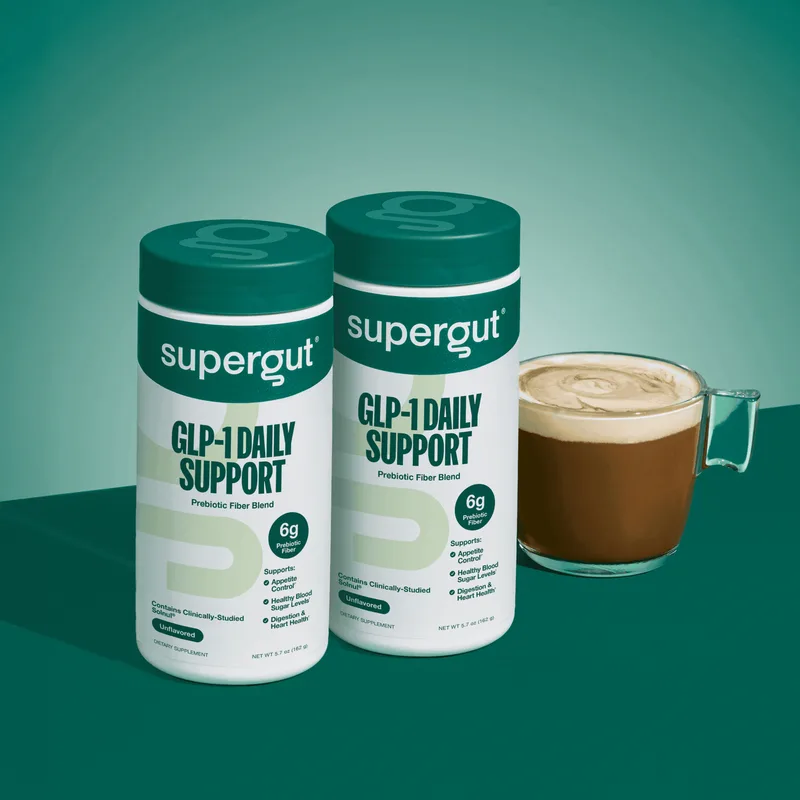
Supergut GLP-1 Daily Support
Supergut · powderA drinkable, gut-first option — but it leans on a proprietary fiber blend and a heavy fiber load.
Drinkable and caffeine-free.
Individual fiber doses are hidden inside a proprietary blend.
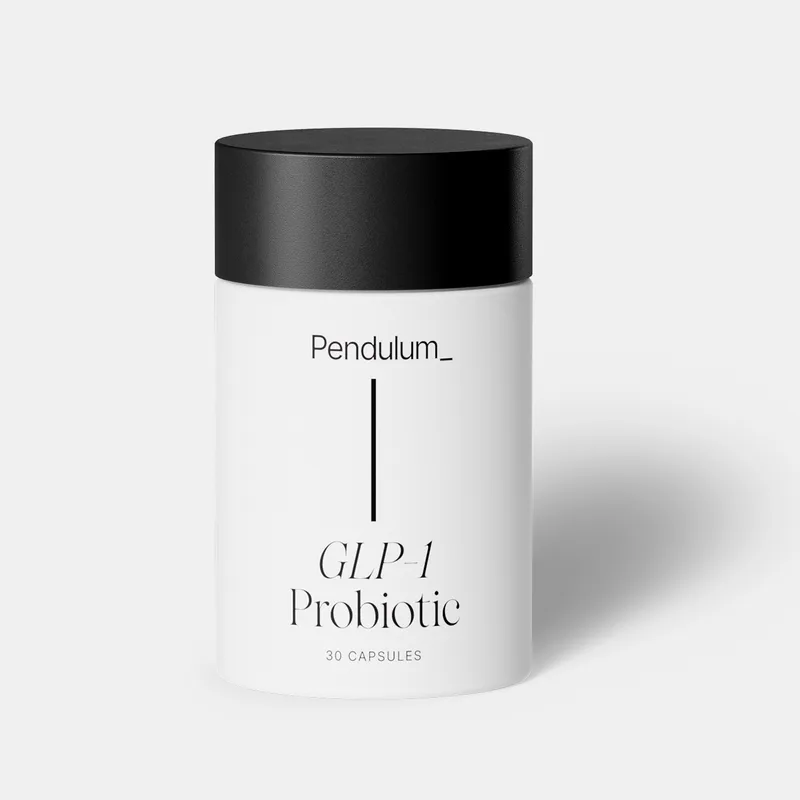
Pendulum GLP-1 Probiotic
Pendulum Therapeutics · capsuleStrong science pedigree on Akkermansia, but a proprietary CFU blend and refrigeration requirement.
Akkermansia has the strongest individual research pedigree of the probiotic actives.
Per-strain doses are hidden inside a proprietary blend.