As seen on our socials
Read the full science
Every post has a deeper, cited breakdown. Tap one to read it.
-
 View the post on Instagram ↗
What Is the Gut-Brain Axis, and Why Does It Decide What You Crave?
The gut-brain axis is the two-way communication network between your digestive tract and your brain, running on nerves, hormones, microbial metabolites, and immune signals. Here's what it actually does, why hunger is a signal rather than a character flaw, and which popular claims about it don't hold up.
Read the breakdown → -
 View the post on Instagram ↗
Butyrate and GLP-1: A Real Mechanism With a Delivery Problem
Your gut bacteria make butyrate from fiber, and it genuinely talks to the cells that release GLP-1. Whether swallowing butyrate in a capsule does the same thing is a separate question, and the human trials have been humbling.
Read the breakdown → -
 View the post on Instagram ↗
Allulose, Honestly: The Rare Sugar That Tastes Like Sugar and Barely Acts Like One
Allulose tastes like table sugar, has almost no calories, and the FDA lets it off the sugar line entirely. Here's what the human trials actually show for blood sugar, appetite, and body fat, plus the gut and bone caveats nobody puts on the label.
Read the breakdown → -
 View the post on Instagram ↗
Berberine, Honestly: What the Evidence Says About Blood Sugar, Cravings, and "Nature's Ozempic"
Berberine is the yellow alkaloid the internet keeps calling nature's Ozempic. Here's what the human trials actually show for blood sugar and cravings, the absorption problem nobody mentions, and where the hype outruns the data.
Read the breakdown → -
 View the post on Instagram ↗
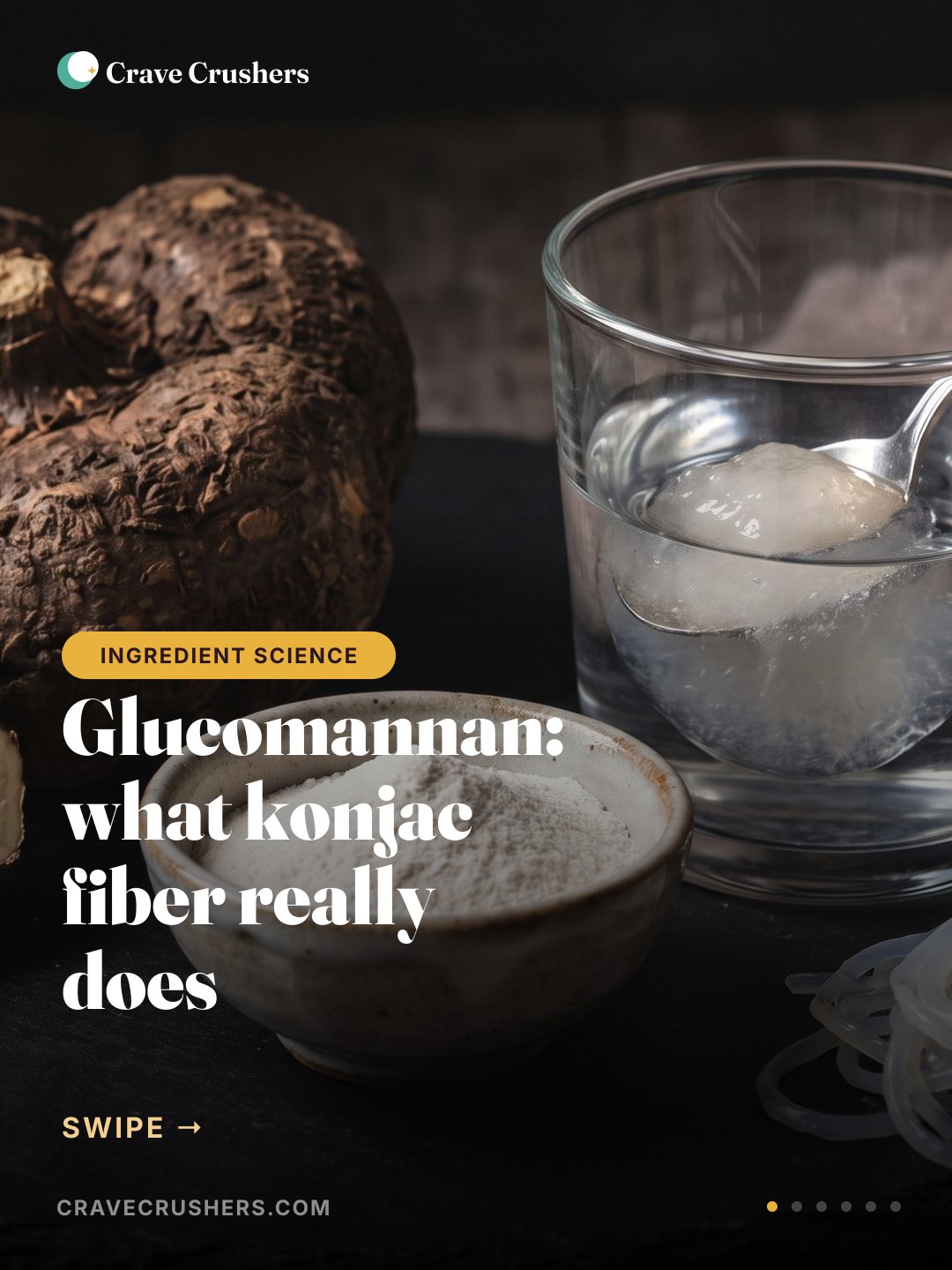
The Science of Glucomannan: What Konjac Fiber Really Does for Hunger
Glucomannan is the fiber behind half the 'feel full, eat less' supplements and those squeaky zero-calorie noodles. Here's what the human trials actually show, where the hype outruns the data, and the one safety rule you can't skip.
Read the breakdown → -
 View the post on Instagram ↗
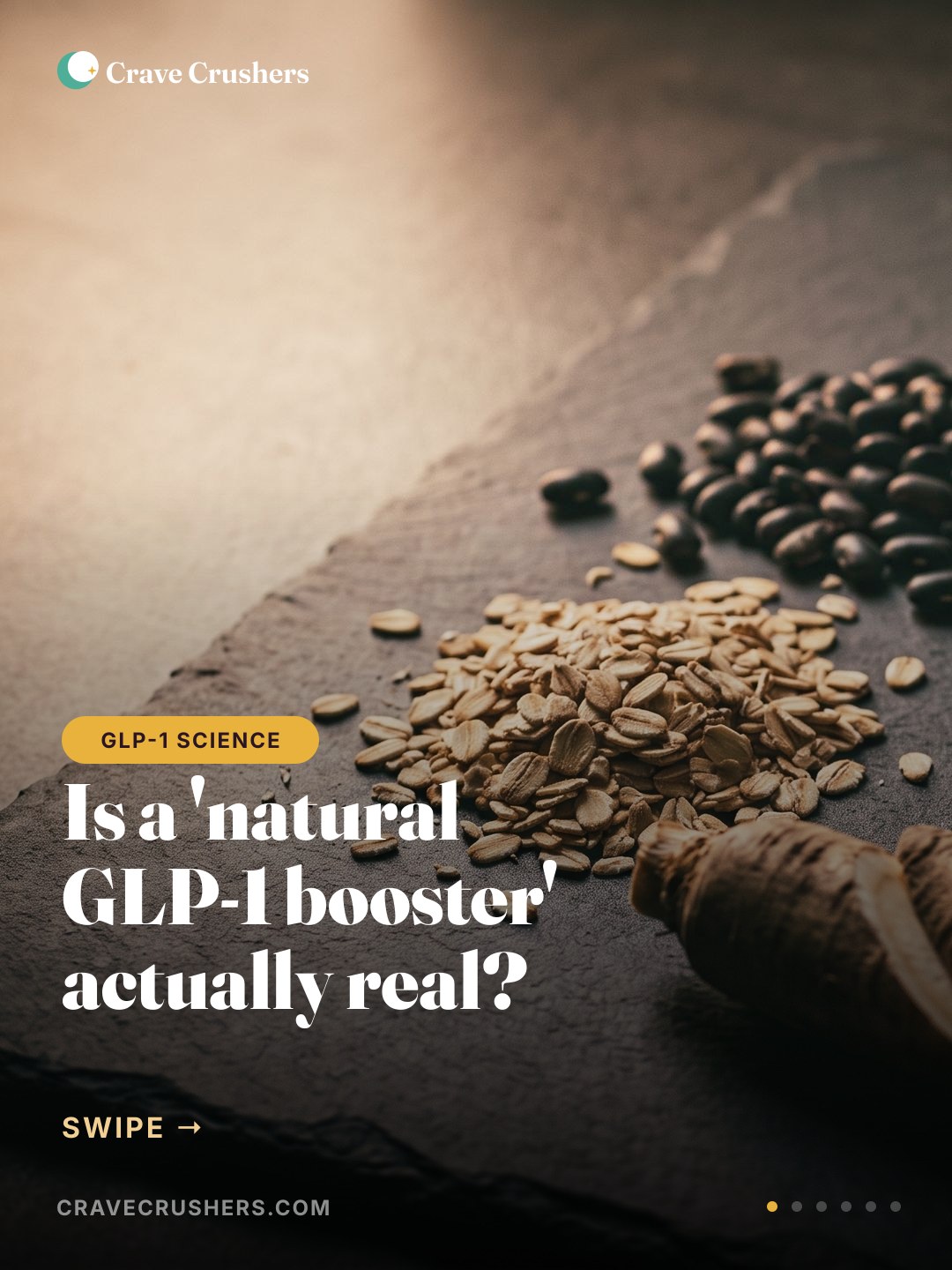
Is a 'Natural GLP-1 Booster' a Real Thing? Native GLP-1 vs. the Drugs
Your own GLP-1 lasts about 2 minutes before your body chops it up. The injectable drugs are engineered to last a week. Here's the honest read on what 'boosting your own GLP-1' can and can't do about that gap.
Read the breakdown → -
 View the post on Instagram ↗
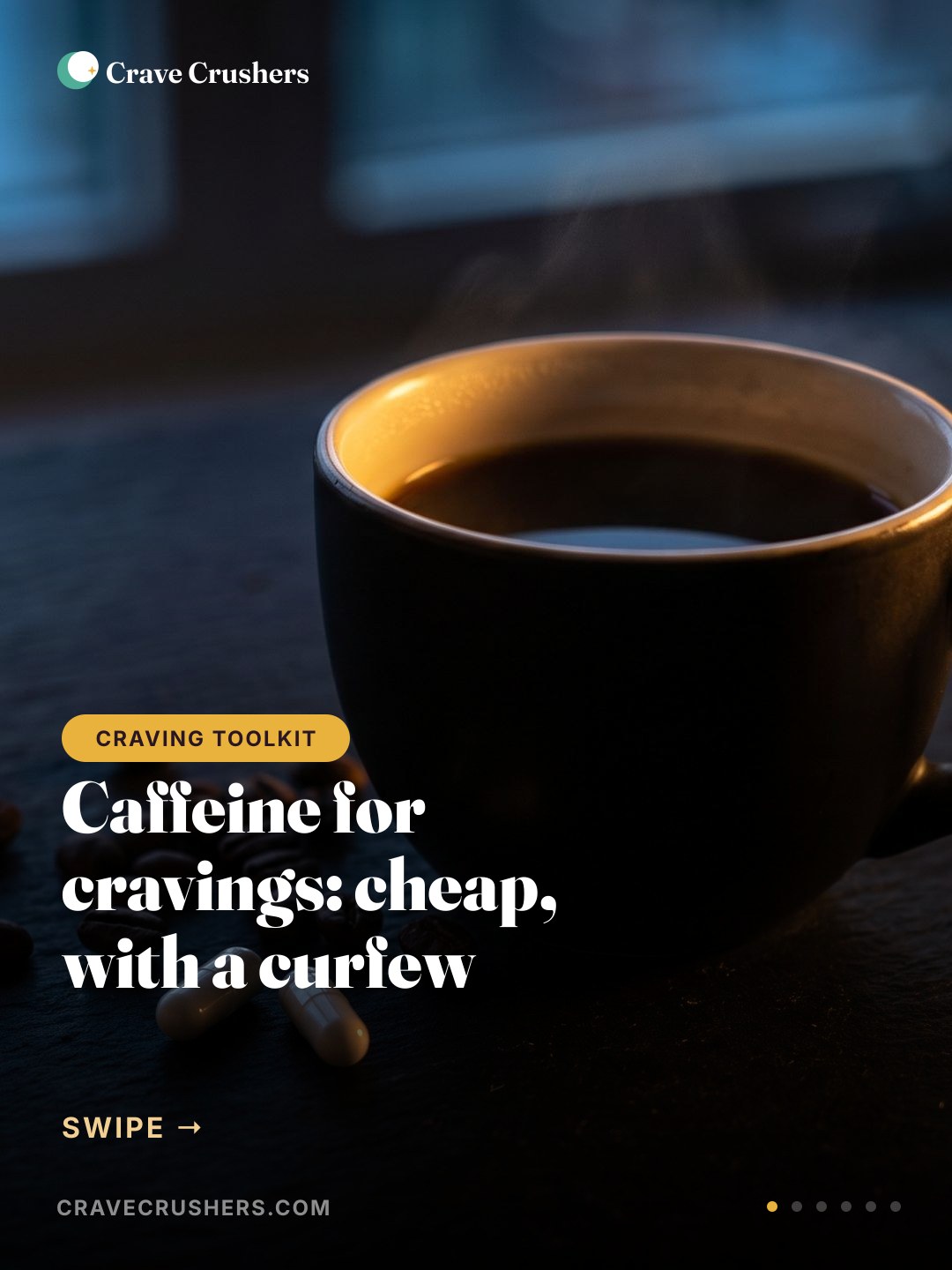
Caffeine for Craving Control: The Cheapest Tool, and Its Hidden Costs
Caffeine is the appetite suppressant you already own. It can take the edge off daytime hunger for pennies, but its effect on sleep makes it the wrong tool for the late-night cravings that trip most people up. Here's the evidence, and the timing that matters.
Read the breakdown → -
 View the post on Instagram ↗
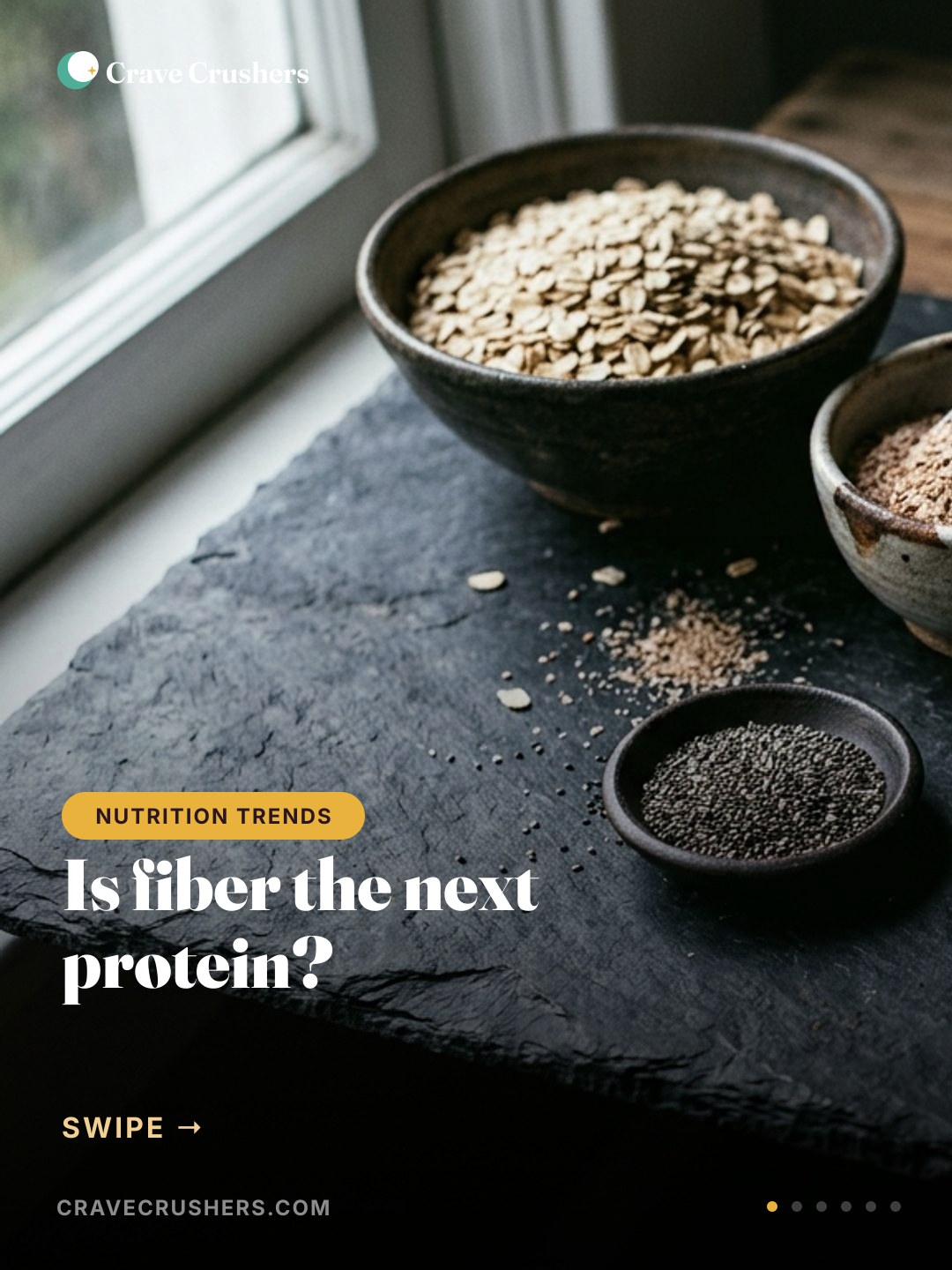
Is Fiber the Next Protein? The Hype vs. the Reality
Fiber is having a protein moment: front-of-box claims, fiber water, TikTok trends. Some of it is riding real science, a lot of it is borrowed hype. Here's how to tell them apart.
Read the breakdown → -
 View the post on Instagram ↗
5-HTP and Saffron for Cravings: The Serotonin Risk If You're on an SSRI
Two of the trendiest "natural" appetite ingredients both nudge serotonin. If you take an SSRI or SNRI, that overlap is worth understanding before you add either one.
Read the breakdown → -
 View the post on Instagram ↗
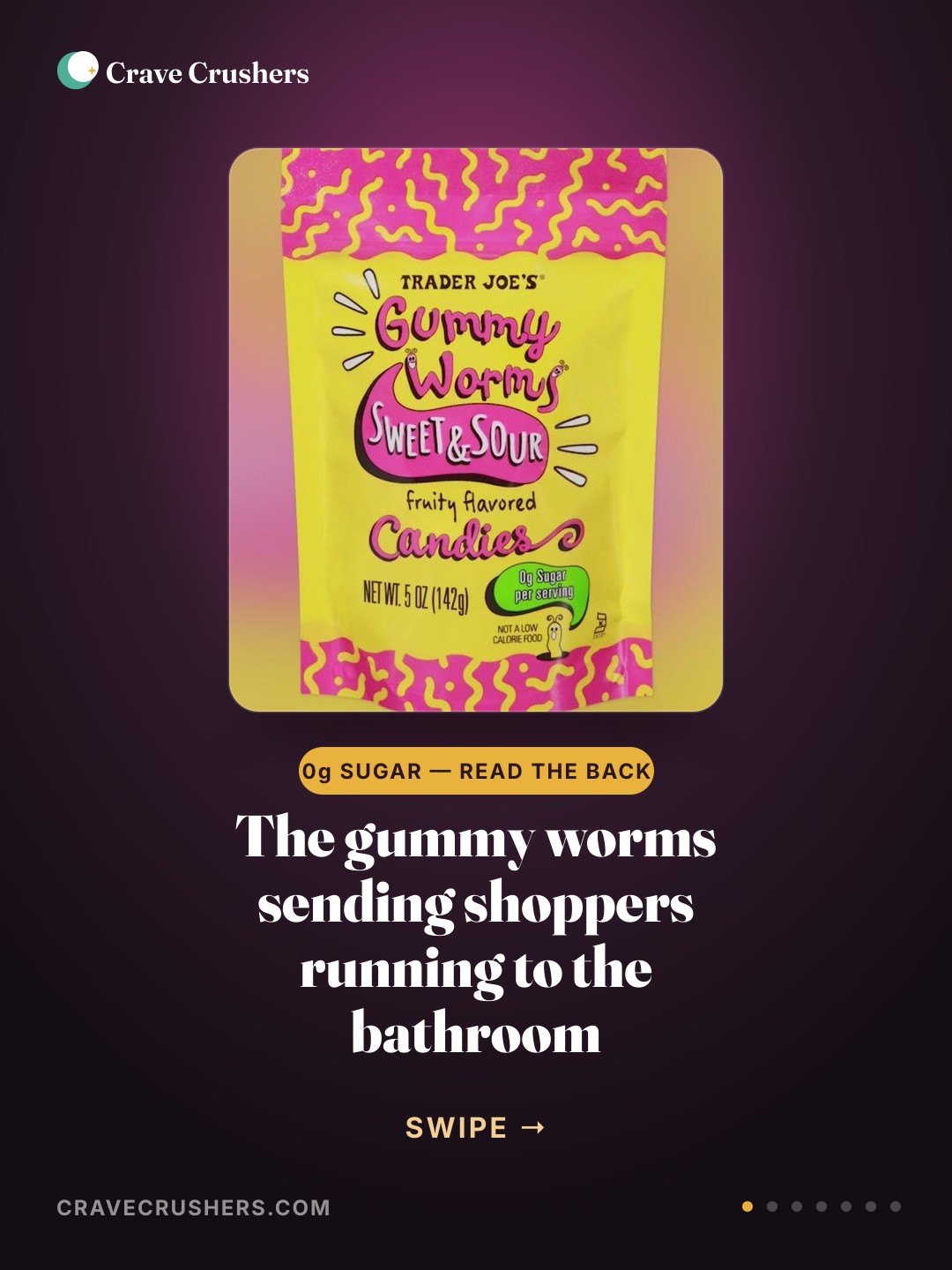
The Low-Sugar Candy Trap: Why ‘Healthier’ High-Fiber Gummies Are Wrecking Stomachs
Trader Joe’s sugar-free gummies sent shoppers running to the bathroom. The real reason isn’t the sweetener — it’s a big hit of fiber, plus sugar alcohols like erythritol. Here’s what’s going on, in plain English.
Read the breakdown → -
 View the post on Instagram ↗
The Science of Amarasate (Bitter Hops Extract): A Real Mechanism With a Replication Problem
Amarasate is a New Zealand bitter hops extract sold as a 'bitter brake' on appetite. Three human trials say it cuts hunger and food intake. One independent trial found nothing. Here's what the evidence actually supports.
Read the breakdown →